
Curtain selection guide 2026: choose fabrics confidently
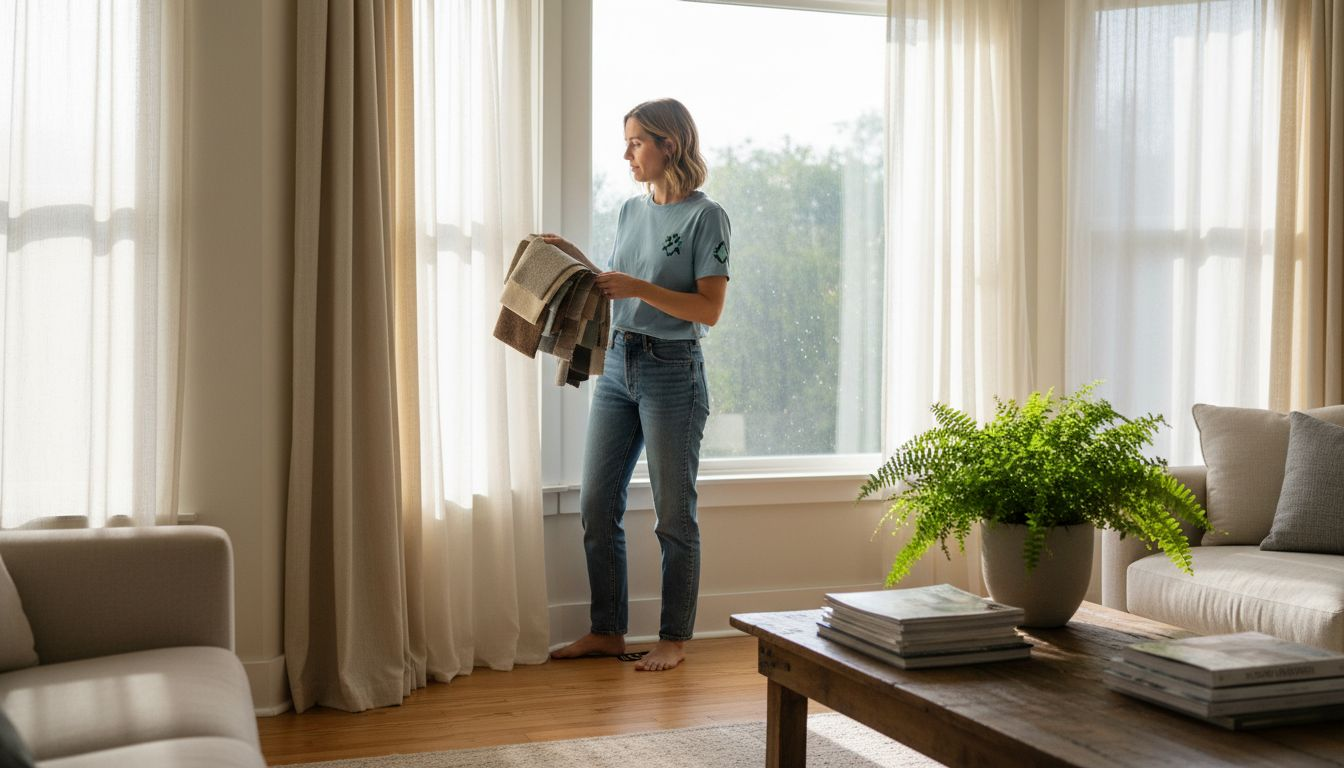
Curtain selection guide 2026: choose fabrics and styles with confidence
Selecting curtains for your home involves more than picking a color you like. With dozens of fabric types, styles, and layering options available, homeowners often feel overwhelmed by choices that affect light control, privacy, insulation, and overall room aesthetics. This guide breaks down essential selection criteria and walks you through popular curtain fabrics, their characteristics, and how to pair them with valances for enhanced functionality and style. You’ll gain a clear framework for choosing curtains that complement your interior design while meeting practical needs like energy efficiency and maintenance requirements.
Table of Contents
- Curtain Selection Criteria: What To Consider Before You Buy
- Popular Curtain Fabrics: Pros, Cons, And Style Effects
- Enhancing Curtains With Valances And Layering Techniques
- Comparing Curtain Fabrics And Styles: Final Decision Guide
- Explore Designer Fabrics And Custom Curtains At Beautiful Windows Elgin
Key takeaways
| Point | Details |
|---|---|
| Fabric choice impacts function | Curtain fabric significantly impacts light control, privacy, temperature regulation, and design style within each room. |
| Layering boosts efficiency | Combining curtains with valances can reduce heat gain by up to 77% in summer while concealing hardware. |
| Different fabrics suit different needs | Cotton offers washability, linen provides casual elegance, polyester delivers durability, silk adds luxury, and velvet maximizes insulation. |
| Consider room function first | Match fabric weight, light filtering, and maintenance requirements to how you use each space daily. |
| Test before committing | Order fabric samples to evaluate texture, color, and drape in your actual lighting conditions before purchasing full panels. |
Curtain selection criteria: what to consider before you buy
Before exploring specific fabrics, establish your priorities across six key criteria. Choosing curtain fabric involves considering light, drape, durability, and daily use, so understanding these factors upfront saves time and prevents costly mistakes.
Fabric weight determines how much light enters your room and how well curtains insulate against temperature changes. Heavier materials like velvet block sunlight completely and trap air near windows, keeping rooms cooler in summer and warmer in winter. Sheer fabrics soften harsh sunlight without eliminating it, creating an airy atmosphere while maintaining some daytime privacy. Medium weight options like cotton and linen balance these extremes, filtering light gently while providing moderate insulation.
Privacy needs vary by room and window placement. Street facing windows require denser weaves or layered treatments, while interior rooms or high windows can use lighter fabrics. Consider whether you need complete privacy at night or just want to soften the view during daytime hours.
Style compatibility means matching fabric texture and color to your existing decor theme. Smooth silks suit formal traditional spaces, while textured linens complement casual or coastal designs. Bold patterns work in eclectic rooms, but solid neutrals provide versatility if you change decor frequently.
Maintenance requirements differ dramatically across fabric types. Machine washable cotton suits busy households with children or pets, while delicate silk demands professional cleaning and careful handling. Factor in your lifestyle, available time for upkeep, and local climate conditions that affect dust accumulation.
Pro Tip: Request fabric samples from suppliers and hang them near your windows for several days. Observe how they look in morning, afternoon, and evening light before committing to full panels, as artificial store lighting rarely matches home conditions.
Consider these criteria together rather than focusing on just one aspect. A curtain fabric selection guide helps you weigh trade-offs between aesthetics and practicality. For example, silk curtains look stunning but require careful maintenance and fade in direct sunlight, making them better suited for shaded windows or formal dining rooms used occasionally rather than sunny kitchens.
Popular curtain fabrics: pros, cons, and style effects
Understanding specific fabric characteristics helps you match materials to room requirements. Each option offers distinct advantages for different situations and design preferences.
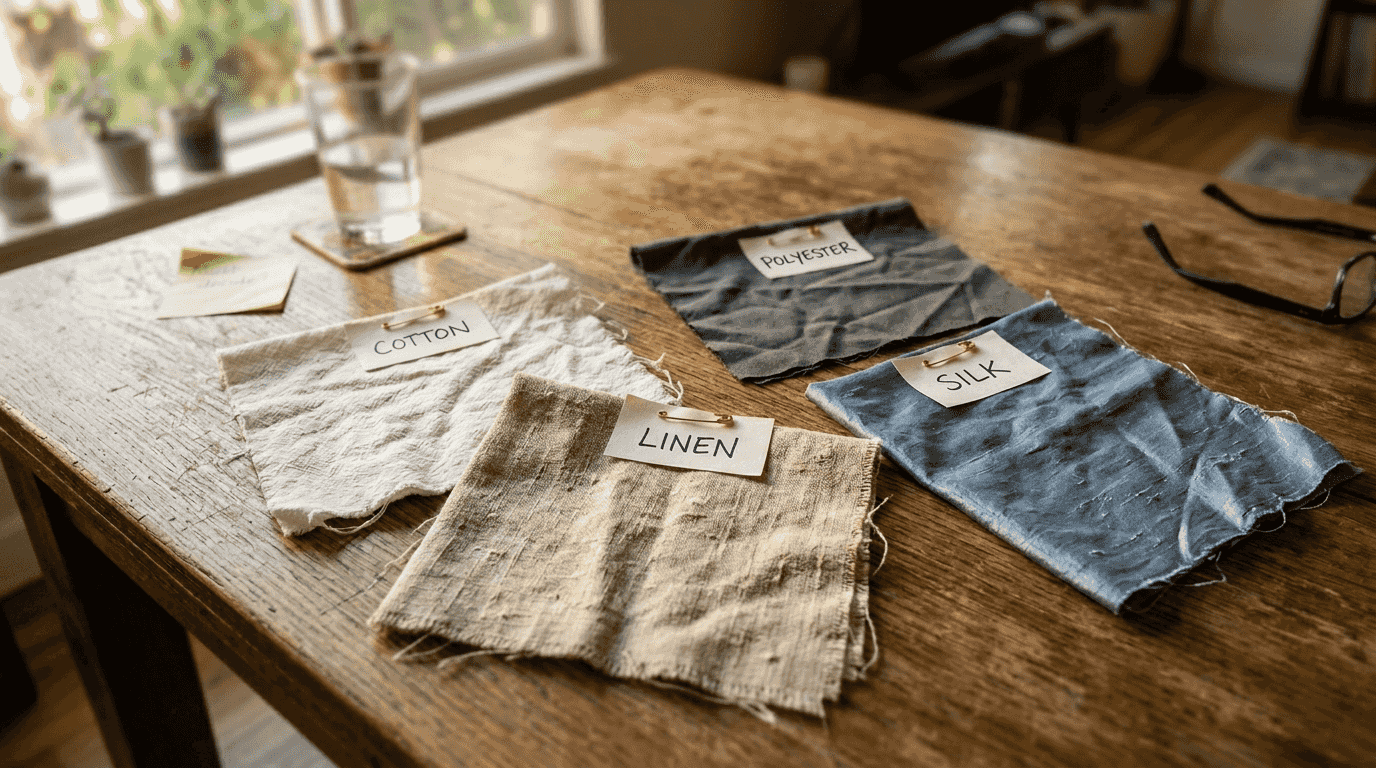
Cotton fabric is versatile, breathable, and easy to wash, suitable for various decor styles from farmhouse to contemporary. It accepts dye well, providing rich color options that resist fading with proper care. Cotton drapes softly, creating gentle folds that filter light without complete blockage. Machine washability makes it practical for high traffic areas like kitchens and family rooms. However, cotton wrinkles easily and may shrink slightly after washing, so buy panels slightly longer than needed.
Linen curtains provide casual elegance and luxurious texture, filtering light gently through their natural weave. The fabric’s organic appearance suits coastal, Scandinavian, and rustic design schemes beautifully. Linen naturally resists moths and static while remaining breathable in warm climates. Its relaxed drape creates an effortlessly sophisticated look without stiffness. Expect some wrinkling, which many consider part of linen’s charm, though you can iron panels if you prefer crisp lines.
Polyester curtains are durable, budget friendly, and easy to maintain across years of use. Modern polyester blends mimic natural fiber textures while offering superior colorfastness and wrinkle resistance. They handle frequent washing without shrinking or losing shape, making them ideal for rental properties or homes with active lifestyles. Polyester’s synthetic nature means it doesn’t breathe as well as natural fibers, but this actually enhances its insulating properties for energy efficiency.
Silk curtains are luxurious and elegant but require gentle care to maintain their lustrous appearance. Their natural sheen catches light beautifully, adding depth and richness to formal spaces like master bedrooms or dining rooms. Silk drapes with exceptional fluidity, creating graceful puddles at floor level if desired. Unfortunately, direct sunlight degrades silk fibers rapidly, causing fading and weakening. Reserve silk for windows with significant shade or plan to line panels with protective backing fabric.
Velvet curtains are thick, plush, insulated, and great for privacy in bedrooms, home theaters, or cozy reading nooks. Their dense pile blocks light almost completely while absorbing sound, creating quieter interior spaces. Velvet’s weight helps panels hang straight with minimal wrinkling. The fabric adds instant luxury and warmth to any room, though it attracts dust more readily than smooth weaves. Vacuum velvet curtains regularly using an upholstery attachment to maintain their appearance between professional cleanings.
Ranking fabrics by light blocking capability from sheer to heavy:
- Sheer voile or organza (maximum light transmission)
- Lightweight cotton or linen blends (soft filtering)
- Medium weight cotton or linen (moderate filtering)
- Heavy cotton duck or canvas (significant blocking)
- Silk or satin (substantial blocking with sheen)
- Velvet or thermal backed fabrics (near complete blocking)
Explore detailed comparisons of curtain fabric types for style to see how each material performs across different design schemes. For cotton specific guidance, review this cotton fabric curtains guide covering thread counts, weaves, and finishing options. Additional insights on fabric characteristics appear in this curtain fabric types blog with photos showing how each material drapes and filters light.
Enhancing curtains with valances and layering techniques
Pairing window curtains with valances enhances aesthetic appeal and functionality, conceals hardware, improves proportions, and offers better insulation than single layer treatments. Valances create a visual bridge between your walls and window treatments, making the entire arrangement feel intentional and polished rather than utilitarian.
Valances frame windows beautifully while hiding curtain rods, rings, and mounting hardware that can look cluttered or industrial. This concealment creates cleaner lines and draws attention to the fabric and design rather than functional components. For tall or awkwardly proportioned windows, valances balance visual weight by adding horizontal elements that make openings appear more harmonious with surrounding architecture.
Layered treatments provide practical benefits beyond aesthetics. The air gap between valance and curtain panels creates an insulating buffer that reduces heat transfer through windows. Layered window treatments can reduce heat gain by up to 77% in summer while trapping warm air inside during winter months, lowering heating and cooling costs significantly.
Comparing single versus layered curtain treatments:
| Feature | Single Curtains | Curtains with Valances |
|---|---|---|
| Visual impact | Clean, minimalist | Polished, tailored, finished |
| Hardware visibility | Exposed rods and rings | Concealed by valance |
| Insulation performance | Moderate | Enhanced by air gap |
| Design flexibility | Limited to panel fabric | Mix patterns, colors, textures |
| Installation complexity | Simple, one layer | Moderate, requires coordination |
| Cost | Lower material expense | Higher due to additional fabric |
Pro Tip: Use complementary patterns or colors in your valance to add creative flair without overwhelming the space. A solid curtain paired with a subtly patterned valance creates visual interest while maintaining sophistication, or reverse this approach with patterned curtains and solid valance for a bolder statement.
Valances serve as the visual bridge that elevates window treatments from functional necessities to design focal points, adding architectural interest and refined elegance to any room.
When selecting valance styles, consider how they interact with your curtain panels. Box pleat valances offer structured formality, while gathered or swag styles create softer romantic looks. Cornice boards provide the most dramatic framing effect with their rigid structure, though they require more complex installation than fabric valances.
Coordinate valance and curtain fabrics by weight and opacity for best results. Pair lightweight sheers with airy valances to maintain an open feel, or combine heavy velvet curtains with substantial valances for maximum drama and insulation. The curtain style selection process walks through coordinating multiple treatment layers systematically.
Comparing curtain fabrics and styles: final decision guide
Choosing the right curtain fabric plays a crucial role in how a room looks, feels, and functions daily. This comparison synthesizes key characteristics to streamline your decision making process.
| Fabric Type | Light Control | Durability | Maintenance | Style Match | Insulation |
|---|---|---|---|---|---|
| Cotton | Moderate filtering | Good, may fade | Machine washable | Versatile, all styles | Moderate |
| Linen | Gentle filtering | Very good | Mild wash, may wrinkle | Casual, coastal, rustic | Moderate |
| Polyester | Variable by weight | Excellent | Easy, machine washable | Contemporary, budget | Good |
| Silk | Substantial blocking | Delicate, fades | Professional cleaning | Formal, traditional | Moderate |
| Velvet | Near complete blocking | Good with care | Professional cleaning | Luxurious, cozy | Excellent |
Weigh these factors when making your final fabric selection:
- Climate conditions in your region affect insulation needs and fabric durability over time
- Room purpose determines required privacy levels and light control throughout the day
- Existing decor style guides fabric texture, pattern, and color choices for cohesion
- Household activity level influences maintenance requirements and fabric resilience needs
- Budget constraints balance initial investment against long term durability and cleaning costs
- Window size and placement affect how much fabric you need and which weights drape best
Pro Tip: Prioritize balance between aesthetics and practicality for lasting satisfaction with your curtain investment. Beautiful silk curtains that require constant maintenance or fade within months create frustration, while purely functional polyester that clashes with your decor undermines the room’s overall design impact.
Consider creating a decision matrix scoring each fabric option against your top three priorities. For example, if you value easy maintenance, energy efficiency, and budget friendliness most highly, polyester or cotton blends likely rank highest. If you prioritize luxury appearance, sound absorption, and complete light blocking, velvet becomes the clear winner despite higher maintenance needs.
Test your top two fabric choices in your actual space before purchasing full window treatments. Order samples, hang them temporarily, and live with them for several days. Notice how they look at different times of day, how they feel to touch, and whether they meet your functional requirements. This small investment in samples prevents expensive mistakes and ensures you’ll love your curtains for years.
For comprehensive fabric options organized by type, review this essential curtain fabric types list showing materials suitable for various custom window treatment projects.
Explore designer fabrics and custom curtains at Beautiful Windows Elgin
Beautiful Windows Elgin offers an extensive selection of designer fabrics by the yard to bring your curtain vision to life with premium materials and expert guidance. Whether you prefer classic cotton, elegant linen, or luxurious specialty weaves, you’ll find high quality options that match your style and functional requirements.
Custom drapery panels like the textured euro pleat drapery panel in Seaton Magenta showcase how professional construction and quality fabrics create stunning window treatments that elevate any room. These ready made options provide the polished look of custom work with the convenience of immediate availability.

The experienced team helps you navigate fabric choices, coordinating colors and textures that complement your existing decor while meeting practical needs for light control, privacy, and insulation. From initial fabric selection through final installation considerations, you receive personalized guidance that ensures your window treatments exceed expectations.
Pro Tip: Order fabric samples for in home evaluation before purchasing full yardage. Seeing and touching materials in your actual lighting conditions prevents costly mismatches and ensures complete satisfaction with your final curtain selection.
FAQ
What is the best curtain fabric for bedrooms?
Velvet or thermal backed curtains work best for bedrooms because they maximize privacy and block light completely for quality sleep. These heavy fabrics also provide excellent insulation, keeping rooms comfortable year round. Cotton and linen offer good alternatives if you prefer natural fibers with moderate light filtering and easier maintenance, though they won’t achieve complete darkness.
How do valances improve window treatments?
Valances add a polished, framed look that makes windows appear more intentional and designed rather than simply functional. They conceal curtain rods, rings, and mounting hardware for cleaner visual lines. The air gap between valance and curtain panels improves insulation performance significantly, reducing energy costs while creating a smooth visual transition between walls and window treatments.
Can I mix curtain fabrics in one room?
Yes, layering different fabrics creates both functional and aesthetic benefits when done thoughtfully. Combining sheer panels with heavier curtains lets you adjust light and privacy throughout the day by opening or closing each layer independently. Mix complementary textures and colors to create design interest, such as pairing solid linen curtains with a subtly patterned cotton valance, while maintaining overall color harmony.
What maintenance do different curtain fabrics require?
Cotton and polyester curtains are generally machine washable and require minimal special care beyond regular cleaning. Silk and velvet need professional cleaning and protection from direct sunlight to prevent fading and fiber damage. Linen falls somewhere between, typically requiring mild washing and light ironing if you prefer crisp rather than relaxed appearance, though many homeowners embrace linen’s natural tendency to wrinkle softly.
How do curtains affect home energy efficiency?
Layering curtains with valances creates an insulating air pocket that reduces heat gain by up to 77% during summer months while trapping warm air inside during winter. This temperature regulation lowers heating and cooling costs significantly over time. Choosing thermal backed or naturally heavy fabrics like velvet boosts this insulating effect even further, making window treatments a smart investment in home energy performance.
Recommended
- Curtain fabric types: Choose perfect fabrics for style – Designer Fabrics by the Yard | Drapery Making Services
- Curtain Fabric Selection Guide 2026: Pick Styles That Last 30% Longer – Designer Fabrics by the Yard | Drapery Making Services
- How to Choose the Right Fabric for Drapery – Shop Designer Fabrics by the Yard | Curtains & Drapery
- 7 Essential Curtain Fabric Types List for Homeowners – Shop Designer Fabrics by the Yard | Curtains & Drapery
- How to select awning fabric for lasting outdoor appeal