
Curtain Style Selection Process for Custom Drapery Success
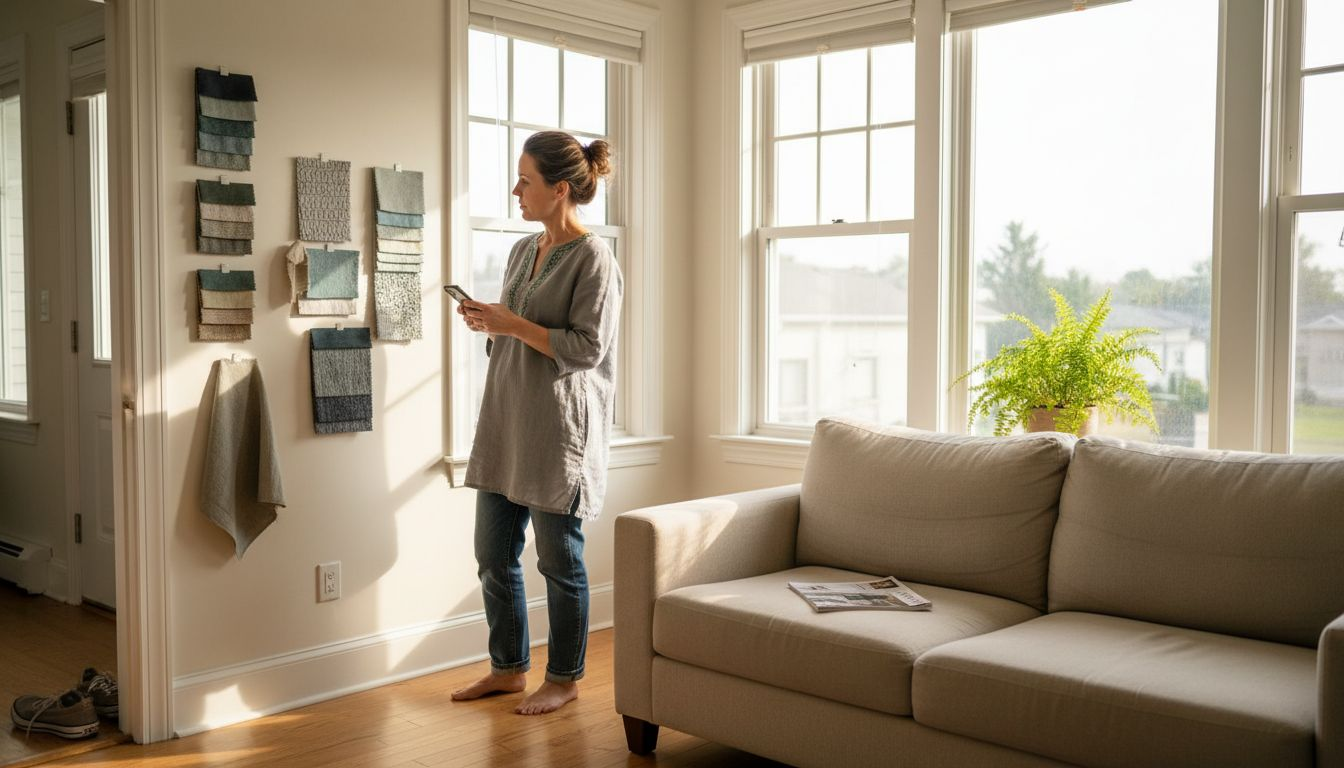
Choosing custom drapery for your Columbia home can feel overwhelming when every space has its own character and requirements. Each room demands an approach that honors both your decor style and the practical needs of daily living, from managing light to balancing privacy. With so many beautiful fabric options and curtain styles available, finding a solution that creates lasting harmony is much easier with expert-backed guidance and a thoughtful assessment of your home’s unique qualities. To start, focus on creating harmony in your living space that reflects your personal taste and lifestyle.
Table of Contents
- Step 1: Assess Your Room’s Unique Needs And Decor
- Step 2: Identify Suitable Fabric Types And Textures
- Step 3: Select Curtain Styles To Complement Your Space
- Step 4: Request Fabric Samples For Quality Inspection
- Step 5: Verify Final Selections Before Purchase
Quick Summary
| Key Point | Explanation |
|---|---|
| 1. Assess Your Room’s Needs | Evaluate window dimensions, light exposure, and room style to select suitable curtains. |
| 2. Choose the Right Fabric | Select fabric types based on durability and aesthetics that match room usage and design. |
| 3. Match Curtain Style to Space | Align curtain styles with your room’s architectural features for a cohesive look. |
| 4. Request Fabric Samples | Obtain samples to assess color, texture, and light filtering in your actual space before finalizing. |
| 5. Verify Before Purchase | Confirm measurements, compatibility, and fabric performance to avoid misfit and quality issues. |
Step 1: Assess your room’s unique needs and decor
Curtain selection isn’t just about picking a fabric - it’s about creating harmony in your living space. Before diving into color swatches and fabric samples, you’ll need to conduct a thorough assessment of your room’s specific requirements, ensuring your window treatments perfectly complement your interior design.
Start by examining your space through a critical lens. Understanding interior design curtain principles begins with evaluating several key factors that influence your curtain choices. Consider these essential elements:
- Window dimensions: Measure precise height and width
- Natural light exposure: Southern vs. northern facing windows
- Privacy requirements: Street-facing rooms need different treatments
- Room style and color palette: Match curtains to existing decor
- Functional needs: Light blocking, thermal insulation, sound dampening
Your goal is creating a strategic approach that balances aesthetics with practical functionality. Pay close attention to how sunlight moves through your room during different times of day, which will significantly impact your fabric and style selection. Some rooms might require heavy, light-blocking materials, while others benefit from sheer, airy designs that maximize natural illumination.
Professional designers recommend spending time observing your space before making final curtain selections.
Pro tip: Take photos of your room from multiple angles to help visualize potential curtain styles and color schemes during your selection process.
Step 2: Identify suitable fabric types and textures
Selecting the right fabric is crucial in creating window treatments that not only look stunning but also perform exceptionally in your specific living space. Your curtain fabric needs to harmonize with both aesthetic preferences and practical requirements, transforming an ordinary room into a personalized sanctuary.
Navigate the world of curtain fabrics by understanding their unique characteristics and performance attributes. Each fabric type brings distinct qualities to your interior design:
- Cotton: Lightweight, breathable, versatile for casual spaces
- Linen: Natural texture, elegant drape, ideal for modern interiors
- Silk: Luxurious appearance, delicate, best for formal rooms
- Polyester blends: Durable, wrinkle-resistant, budget-friendly
- Velvet: Rich texture, excellent light blocking, dramatic effect
Consider your room’s specific conditions when choosing fabric. Explore designer fabric collections that match your functional needs and style preferences. High-traffic areas might require more durable fabrics like polyester blends, while formal living rooms could showcase delicate silk or intricate embroidered materials.
Here’s a summary comparing popular curtain fabrics and where they’re best used:
| Fabric Type | Best Room Applications | Key Benefit |
|---|---|---|
| Cotton | Bedrooms, casual living areas | Easy care, versatile |
| Linen | Modern living, dining rooms | Breathable, crisp look |
| Silk | Formal spaces, offices | Luxurious, elegant finish |
| Polyester Blend | High-traffic, kids’ rooms | Durable, budget-friendly |
| Velvet | Media rooms, bedrooms | Light-blocking, dramatic |
Professional designers recommend testing fabric samples in your actual room lighting before making a final selection.
Pro tip: Always order fabric swatches and observe how they interact with your room’s natural and artificial lighting throughout different times of day.

Step 3: Select curtain styles to complement your space
Choosing the right curtain style is more than a decorative decision - it’s about creating a visual dialogue between your window treatments and the architectural personality of your room. Your curtains should seamlessly integrate with your interior design, reflecting both functional needs and aesthetic sensibilities.
Curtain styles for different design themes reveal fascinating nuances in home decor. Consider these key curtain styles that transform spaces:
- Rod Pocket: Casual, gathered look perfect for traditional spaces
- Grommet Top: Modern, sleek design with clean horizontal lines
- Tab Top: Relaxed, bohemian aesthetic with visible hanging loops
- Pinch Pleat: Elegant, structured style for formal dining and living rooms
- Goblet Pleat: Luxurious, sculptural design ideal for high-ceiling spaces
Match your curtain style strategically to your room’s architectural language. Modern minimalist rooms shine with floor-to-ceiling panels featuring crisp, uninterrupted lines. Traditional spaces demand more intricate pleating and rich fabric textures that convey depth and sophistication.
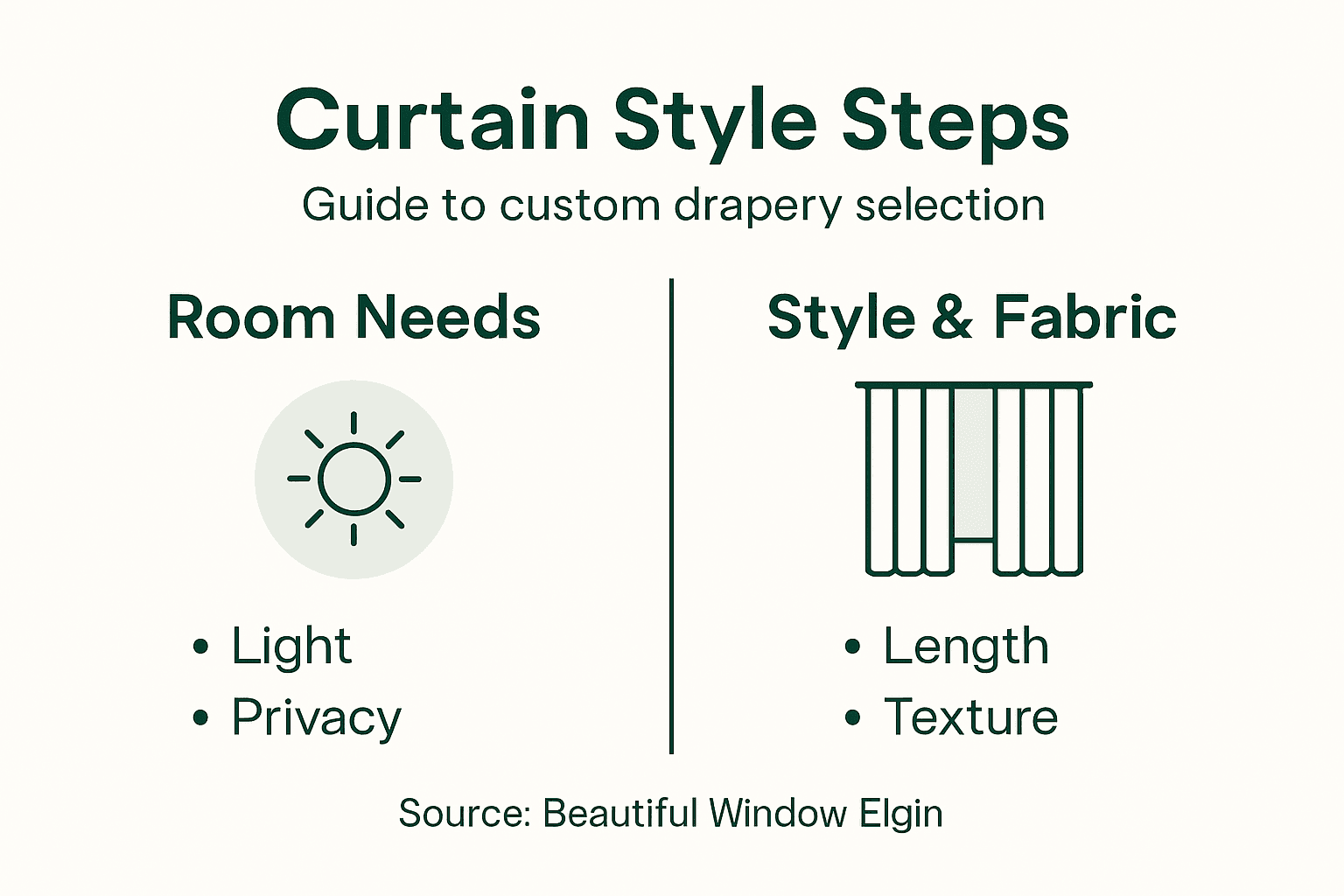
To help guide your final choices, here’s a quick reference for matching curtain styles to room types:
| Curtain Style | Ideal Room Type | Visual Impact |
|---|---|---|
| Rod Pocket | Traditional living, bedrooms | Soft, casual gathering |
| Grommet Top | Modern family, offices | Sleek, contemporary lines |
| Tab Top | Bohemian, informal spaces | Relaxed, decorative look |
| Pinch Pleat | Formal dining, parlors | Structured, upscale feel |
| Goblet Pleat | Grand halls, tall ceilings | Sculptural, opulent flow |
Professional designers recommend allowing your curtain style to become a subtle architectural statement, not just a window covering.
Pro tip: Measure your window height precisely and plan curtain length to create an optical illusion of taller ceilings by hanging rods closer to the ceiling.
Step 4: Request fabric samples for quality inspection
Before committing to your final curtain selection, a strategic approach to fabric sample evaluation can save you time, money, and potential design disappointment. Requesting and thoroughly inspecting fabric samples allows you to assess texture, color, and quality in your actual living space.
Fabric inspection techniques reveal critical details that photographs or digital representations cannot capture. When requesting samples, focus on these essential evaluation criteria:
- Color accuracy: Compare samples under different lighting conditions
- Texture consistency: Feel fabric weight and weave quality
- Light transmission: Test how fabric filters natural and artificial light
- Color fastness: Check potential fading or color bleeding potential
- Durability: Assess fabric strength and potential wear patterns
Carefully examine each sample against your room’s specific requirements. Professional textile experts recommend sampling multiple fabric options to understand how they interact with your unique space. Standardized lighting is crucial for accurate color and texture assessment.
Professional designers always recommend obtaining multiple fabric samples before making a final selection.
Pro tip: Pin fabric samples on your wall and observe them for several days to understand how they look under different times of day and lighting conditions.
Step 5: Verify final selections before purchase
The moment of truth arrives when you’re ready to transform your fabric samples and design choices into actual window treatments. Your careful selection process culminates in a critical verification stage that ensures your investment meets every expectation for quality, style, and functionality.
Curtain buying guidance emphasizes the importance of comprehensive final checks. Before completing your purchase, systematically evaluate these crucial aspects:
- Measurement precision: Confirm exact window dimensions
- Header style compatibility: Match hanging system requirements
- Fabric performance specifications: Check durability and maintenance needs
- Color consistency: Verify sample matches expected color
- Light filtering capabilities: Assess actual light transmission properties
Professional designers recommend conducting a comprehensive review that goes beyond visual appeal. Technical specifications matter as much as aesthetic considerations. Understand the technical requirements of your specific window treatment, including hardware compatibility, installation challenges, and long-term performance expectations.
Professional designers always recommend a final, comprehensive review before committing to your curtain purchase.
Pro tip: Request a digital mockup or professional consultation to visualize how your selected curtains will actually look in your specific space before making the final purchase.
Elevate Your Curtain Style with Expert Fabric Choices and Custom Drapery Solutions
Choosing the perfect curtain style and fabric can be overwhelming when you want your window treatments to balance beauty and functionality. This article highlights key challenges such as selecting the right fabric type, understanding curtain styles, and verifying your final selections before purchase. With details on fabric texture, light filtering, and style impact, your goal is to make informed decisions that enhance your unique space.
At Beautiful Window Elgin, we understand how critical it is to assess your room’s needs and textures before investing. Request fabric samples to see and feel premium cotton, embroidered, and jacquard satin fabrics firsthand. Our extensive designer fabric collection and custom drapery services empower you to create stunning window treatments crafted just for your home or project.

Discover how personalized design consultations and custom options can simplify your curtain style selection process. Visit Beautiful Window Elgin today to explore fabrics, place sample requests, and transform your space with confidence. Act now to secure expert guidance and premium quality fabrics for your next drapery project.
Frequently Asked Questions
How do I assess my room’s unique needs before selecting curtain styles?
Assessing your room’s unique needs involves examining window dimensions, natural light exposure, and privacy requirements. Begin by measuring your windows and noting how sunlight moves throughout the day to determine the ideal curtain style and fabric.
What fabric types are best for different curtain styles?
Choosing the right fabric type enhances both the appearance and performance of your curtains. For instance, lightweight cotton is great for casual spaces, while luxurious silk suits formal settings. Evaluate options by requesting fabric samples to feel their texture and see how they work with your decor.
How can I choose a curtain style that complements my room’s design?
Select a curtain style that aligns with your room’s architectural features and overall theme. For modern spaces, opt for grommet top styles for clean lines, while pinch pleat options can enhance the elegance of more traditional rooms. Review style options with your existing decor in mind to create visual harmony.
What essential criteria should I evaluate when inspecting fabric samples?
When inspecting fabric samples, assess color accuracy, texture consistency, and light transmission. For the best results, compare samples under different lighting conditions to see how they interact with your space. Request multiple samples to help confirm your final decision effectively.
How should I verify my curtain selections before making a purchase?
Verifying your selections involves double-checking measurements, header style compatibility, and fabric performance specifications. Ensure all details match your window requirements to prevent issues during installation. Create a final checklist to review all aspects systematically, reducing potential errors and ensuring satisfaction with your curtains.
Recommended
- Purple pencil pleat curtain panel| 96" Length – Beautiful Windows Elgin | Shop Designer Fabrics by the Yard
- New Red Hue Curtain Panel | 100% Polyester 47″ Wide | Rod Pocket – Beautiful Windows Elgin | Shop Designer Fabrics by the Yard
- Linen Curtain Panels— Navy Blue Color—Pinch Pleated—4" Inches Header—4 – Beautiful Windows Elgin | Shop Designer Fabrics by the Yard
- DUPIONI PEWTER GREY FRENCH PLEAT PANEL – Beautiful Windows Elgin | Shop Designer Fabrics by the Yard
- Types of Awning Fabrics: Style, Durability, and Value