
Drapes vs Curtains: Choosing the Best for Your Home
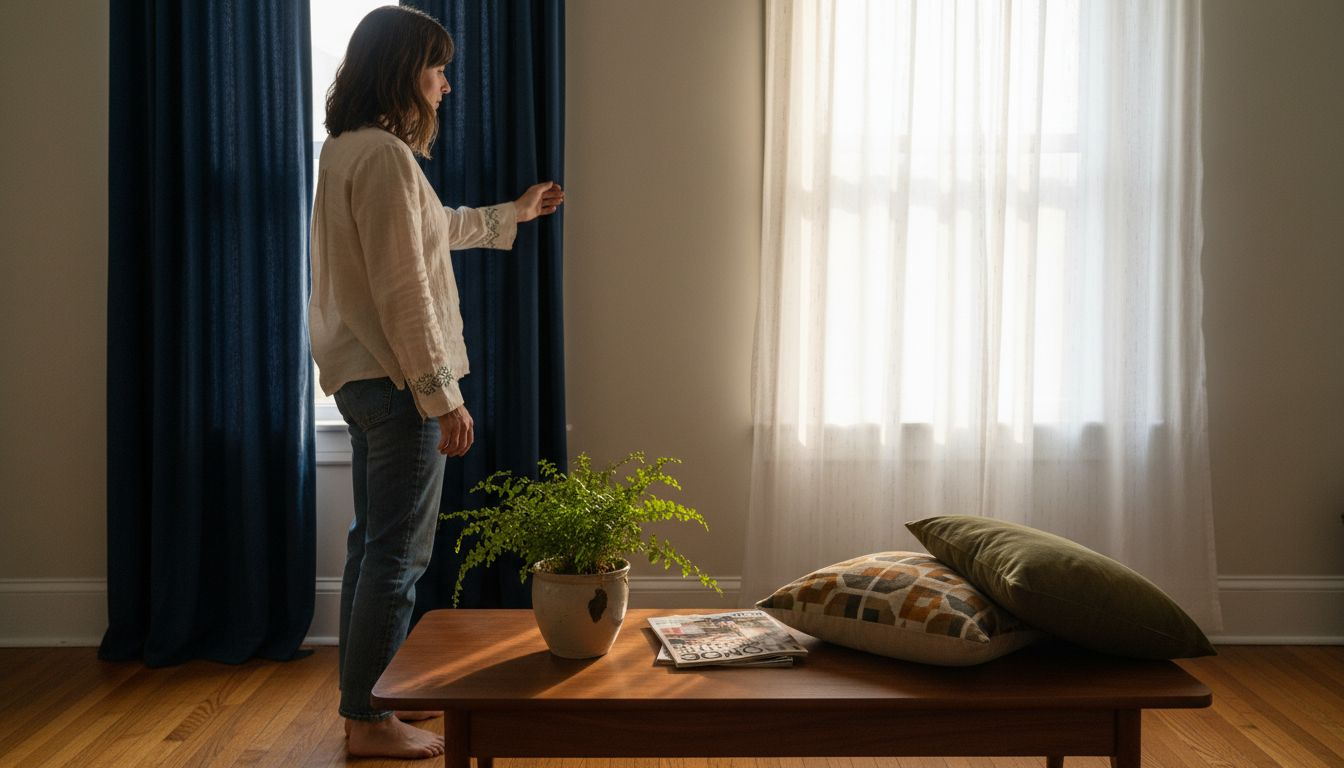
Choosing between drapes and curtains can feel overwhelming when trying to update your home’s style and comfort. The difference is more than just fabric—drapes are inherently formal and elegant, while curtains offer a lightweight, relaxed touch that brightens living spaces. Custom window treatments allow you to tailor both form and function, creating a cohesive look that matches your needs for privacy, light control, and personal style. Discover how each option impacts your home’s ambiance and daily comfort.
Table of Contents
- What Sets Drapes and Curtains Apart
- Types of Drapes and Curtain Styles
- Key Features and Material Choices
- How Drapes and Curtains Affect Light Control
- Costs, Custom Options, and Common Mistakes
Key Takeaways
| Point | Details |
|---|---|
| Drapes vs. Curtains | Drapes are formal and made from heavier fabrics, offering better insulation and light blocking, while curtains are lighter and more casual, allowing for soft light filtering. |
| Functionality Matters | Choose window treatments based on room function; formal spaces benefit from drapes, while casual areas work well with curtains. |
| Material Selection | The choice of fabric impacts not only aesthetics but also maintenance and durability; consider how materials respond to light and use. |
| Custom vs. Ready-Made | Custom treatments provide a tailored fit and unique design options, while ready-made alternatives are budget-friendly but may lack precision. |
What Sets Drapes and Curtains Apart
When shopping for window treatments, you’ll discover that drapes and curtains aren’t interchangeable terms—they represent two fundamentally different approaches to covering your windows. The distinction goes beyond semantics; it affects everything from the look of your room to how much light enters, whether sound gets muffled, and even your heating and cooling costs. Understanding these differences helps you select the right treatment for each room in your home.
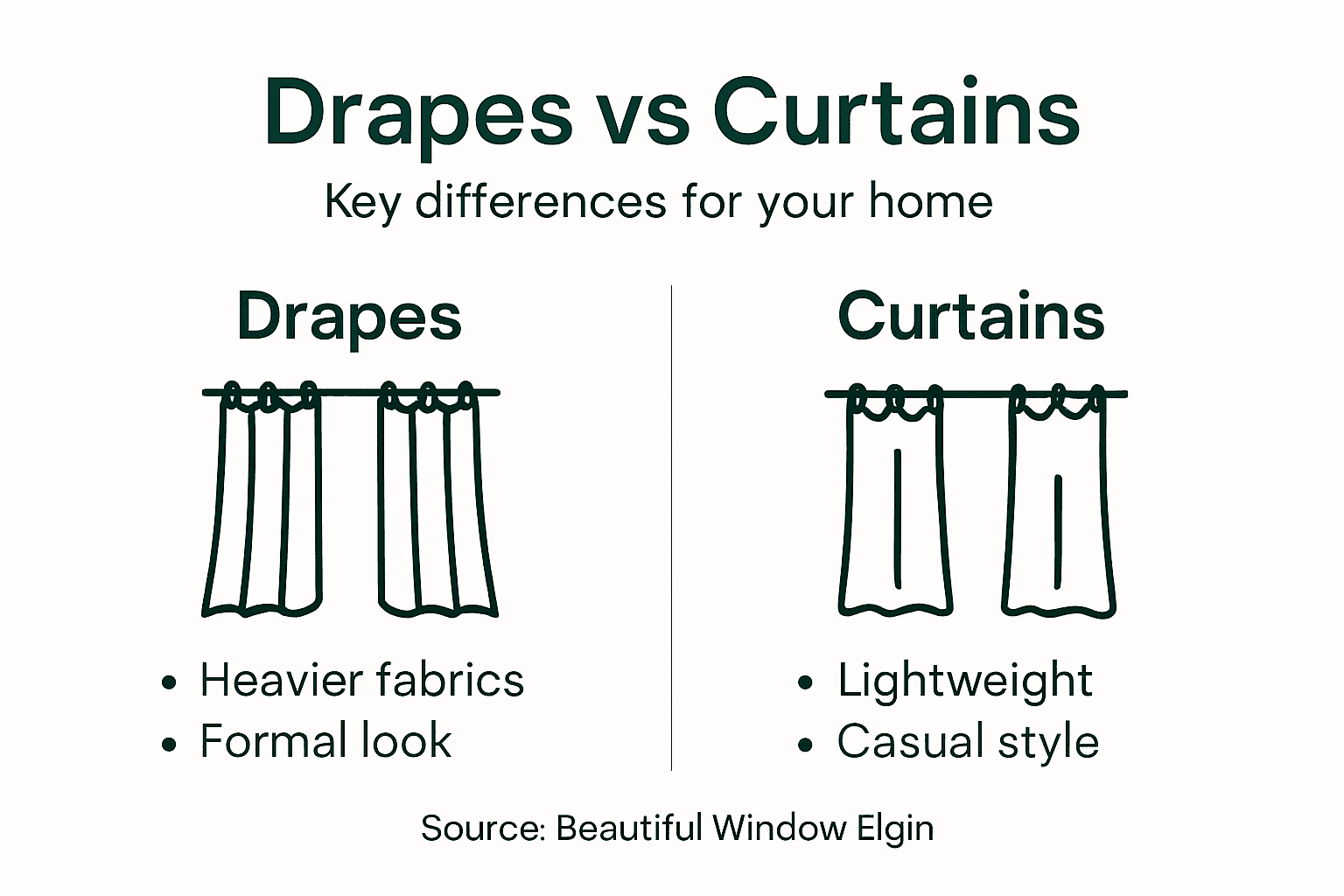
The most visible difference lies in fabric weight and formality. Drapes are formal, elegant window coverings crafted from heavier, luxurious materials like velvet, silk, or jacquard satin that demand attention and set a sophisticated tone. They typically feature a lined construction that blocks light, adds insulation, and creates clean, structured folds that drape beautifully from ceiling to floor. Curtains, by contrast, are lighter and more casual, often made from breathable fabrics such as cotton or linen that allow light to filter through naturally. This fabric distinction creates an immediate visual impact—drapes convey formality and richness, while curtains feel relaxed and approachable.
Beyond aesthetics, functional differences make each option suited for different purposes:
- Light control: Drapes with their heavier construction and lining block sunlight effectively, while curtains typically allow some light penetration unless you choose blackout varieties
- Insulation: The lined construction of drapes provides superior thermal insulation, helping regulate room temperature year-round
- Privacy: Drapes offer complete privacy due to their density and lining, while sheer or lightweight curtains maintain some visibility from outside
- Sound dampening: Heavier drape fabrics absorb ambient noise, making them ideal for formal living spaces or home offices
- Maintenance: Lighter curtain fabrics are generally easier to clean, while drapes may require professional dry cleaning due to their weight and complexity
Understanding fabric types available for curtains helps you make informed decisions about durability, washability, and how each material handles light and temperature.
Your specific needs determine which option wins for your space. A formal dining room or master bedroom often benefits from the elegance and light-blocking power of drapes, while a bright kitchen or casual bedroom might feel better with flowing curtains that welcome natural light. The style of your home also plays a role—traditional or formal interiors lean toward drapes, while contemporary, minimalist, or farmhouse designs frequently feature curtains. Many homeowners opt for both, layering drapes with lightweight curtains to achieve flexibility in controlling light, privacy, and ambiance throughout the day.
Pro tip: Consider the function of each room before choosing between drapes and curtains—formal spaces and bedrooms typically benefit from drapes’ light-blocking and insulation properties, while living areas and kitchens often work better with the airiness that curtains provide.
Here’s a concise comparison to help you choose between drapes and curtains for different spaces:
| Factor | Drapes | Curtains |
|---|---|---|
| Best For | Formal living, bedrooms | Kitchens, casual areas |
| Light Control | Maximum darkness | Soft, filtered light |
| Privacy | Complete privacy | Partial, varies by fabric |
| Maintenance | Professional cleaning | Usually machine washable |
| Insulation | High, blocks drafts | Moderate to low insulation |
Types of Drapes and Curtain Styles
Window treatments come in a variety of styles, each designed to complement different décor aesthetics and serve specific functional needs. Whether you’re drawn to classic elegance or modern simplicity, understanding the available options helps you make a choice that feels right for your home. The style you select affects not just appearance but also how easily you can operate your window treatments and maintain them over time.
Classic and Formal Drape Styles
Pinch pleat drapes remain one of the most sophisticated choices for formal spaces. These drapes feature evenly spaced folds sewn into the fabric at the top, creating deep, tailored pleats that hang gracefully and move smoothly when opened or closed. Pinch pleats work beautifully with floor-to-ceiling installations and pair well with formal living rooms, dining rooms, and bedrooms.

Grommet drapes offer a more contemporary take on formality. Large metal rings are sewn directly into the top of the fabric, allowing the drape to slide easily along a rod. This style creates a sleek, linear appearance and works particularly well in modern or transitional interiors. Grommet drapes are also easier to operate than many other styles since they glide smoothly without bunching.
Pencil pleat curtains deliver understated elegance through multiple small, uniform folds created by a special tape sewn into the heading. This style works well for both formal and casual spaces, offering flexibility in how you style your windows.
Casual and Contemporary Styles
Rod pocket curtains feature a simple, understated design where fabric slides directly onto the rod through a channel sewn at the top. They work beautifully in bedrooms, kitchens, and casual living areas. This style is budget-friendly and easy to install, though the curtain moves less smoothly than styles with rings or hooks.
Tab top curtains use fabric loops or tabs sewn to the top of the curtain, which hang directly from the rod. This casual style has become increasingly popular in farmhouse, cottage, and contemporary designs. The exposed tabs add visual interest and create a relaxed, inviting atmosphere.
Sheer curtains are lightweight panels that filter light beautifully without blocking the view outside. Made from breathable fabrics like voile or linen, sheer curtains work alone for a minimalist look or layered with heavier drapes for added flexibility in controlling light and privacy.
Consider these popular style combinations:
- Layered approach: Heavy drapes with decorative sheers underneath for maximum flexibility
- Single statement: Bold patterned curtains that serve as the room’s focal point
- Neutral foundation: Solid-colored drapes that allow other décor elements to shine
- Minimal aesthetic: Simple rod pocket or tab top curtains in natural fabrics
Understanding the benefits of custom window treatments ensures your style choice also meets your specific light control, privacy, and design goals perfectly.
The fabric you choose works hand-in-hand with your style selection. Cotton drapery offers durability and versatility, while silk and velvet convey luxury and formality. Linen provides a natural, relaxed aesthetic. Each combination of style and fabric creates a distinct visual impact and functional experience.
Your lifestyle should also influence your choice. Families with children might prefer tab top or rod pocket styles that are simple to operate, while formal entertaining spaces benefit from the polished elegance of pinch pleat drapes. Consider how often you’ll open and close your curtains, whether you have pets, and how much maintenance you’re willing to handle.
Pro tip: Mix and match styles across your home based on room function—formal spaces benefit from structured pinch pleats or grommet drapes, while bedrooms and casual living areas feel comfortable with simpler rod pocket or tab top styles.
Key Features and Material Choices
Selecting the right material for your drapes or curtains is just as important as choosing the style. The fabric you pick directly influences how your window treatment looks, performs, and holds up over time. Different materials offer distinct advantages, and understanding these differences helps you make a choice that balances aesthetics with practicality.
Natural Fiber Materials
Cotton stands out as one of the most versatile and popular choices for window treatments. It breathes beautifully, allows light to filter through naturally, and works equally well in casual or formal settings. Cotton drapes and curtains are durable, relatively easy to maintain, and often more affordable than luxury alternatives. They soften with washing and age gracefully, developing a lovely worn-in quality over time.
Linen delivers a textured, casual elegance that feels fresh and sophisticated. This natural fiber has a slightly nubby texture that catches light in appealing ways, and it resists fading better than many other materials. Linen works wonderfully in contemporary, farmhouse, and coastal designs. Keep in mind that linen wrinkles naturally, and many homeowners appreciate this relaxed look as part of its charm.
Silk brings unmistakable luxury to any space. It drapes beautifully with a subtle sheen that catches light and adds dimension to a room. Silk conveys formality and elegance, making it perfect for formal dining rooms, master bedrooms, and sophisticated living spaces. The trade-off is that silk requires more careful maintenance and can fade in direct sunlight without proper UV protection.
Heavyweight and Specialty Materials
Velvet creates drama and opulence through its plush, dense pile. This material provides excellent insulation, blocks light effectively, and adds acoustic qualities that reduce sound. Velvet works beautifully in formal spaces and pairs well with classic décor styles. It does require professional cleaning and careful handling to maintain its appearance.
Jacquard satin offers refined woven patterns with a lustrous finish. This heavyweight material provides good light-blocking properties while maintaining elegance and visual interest through its patterned weave. It’s durable and suitable for formal spaces where you want subtle pattern without overwhelming the décor.
Synthetic and Blended Fabrics
Polyester and other synthetic materials offer affordability and resilience. They resist wrinkles, fade less readily, and are generally easier to clean than natural fibers. Synthetics work well in high-traffic areas, homes with children or pets, or spaces where durability matters more than luxury. Modern synthetics have improved significantly and can mimic the appearance of natural fibers.
Compare key characteristics of popular materials:
- Cotton: Breathable, versatile, moderate cost, easy care
- Linen: Textured look, fades less, wrinkles naturally, moderate to high cost
- Silk: Luxurious sheen, requires careful maintenance, higher cost, best indoors away from direct sun
- Velvet: Plush feel, excellent insulation, requires professional cleaning, higher cost
- Polyester: Budget-friendly, durable, stain-resistant, lower maintenance
- Jacquard satin: Patterned weave, formal appearance, good insulation, moderate to high cost
Understanding how fabric weight and fiber composition affect light filtering, insulation, and durability helps you choose material that matches both your lifestyle and design vision.
Fabric Weight and Performance Features
Fabric weight directly impacts functionality. Heavier fabrics provide better light blocking and insulation, while lighter materials allow more light penetration and air circulation. If you need blackout capability, look for heavyweight materials or consider lining options that add density without changing the face fabric.
Consider these performance features when evaluating materials:
- Light control: How much sunlight the fabric blocks or filters
- Insulation value: How effectively the material regulates room temperature
- Durability: How the fabric holds up to daily use and sunlight exposure
- Maintenance: Whether the material requires professional cleaning or can be laundered
- Wrinkle resistance: How easily the fabric creases and whether it holds its shape
Your lifestyle and room function should guide your material selection. Formal, adult-only spaces can embrace delicate silks and velvets, while family rooms benefit from durable, easy-care synthetics or cotton blends. Bedrooms often work well with blackout-capable materials, while living areas might prioritize light-filtering breathability.
Pro tip: Request fabric samples from Beautiful Window Elgin and test them in your actual room lighting before committing—how a material looks under showroom lights often differs dramatically from how it appears in your home’s natural and artificial light.
Explore the characteristics of common drapery and curtain materials at a glance:
| Material | Appearance | Durability | Best Application |
|---|---|---|---|
| Cotton | Crisp, matte finish | High | Family rooms, offices |
| Linen | Textured, relaxed look | Moderate | Modern, coastal spaces |
| Silk | Subtle sheen, rich | Moderate to low | Formal dining, master suite |
| Velvet | Plush, luxurious | High | Media rooms, parlors |
| Polyester | Smooth, versatile | Very high | Kids’ rooms, rentals |
| Jacquard Satin | Patterned sheen | High | Traditional, formal rooms |
How Drapes and Curtains Affect Light Control
Light control is one of the most practical reasons homeowners choose drapes or curtains for their windows. Beyond aesthetics, how much sunlight enters your room affects your comfort, energy costs, and the longevity of your furniture and flooring. Understanding how different window treatments manage light helps you create the ideal environment for each space in your home.
Understanding Light Filtering vs. Light Blocking
Sheer curtains and lightweight fabrics allow sunlight to pass through while diffusing harsh rays. This creates a soft, ambient glow that brightens spaces without casting sharp shadows or creating glare on screens and reflective surfaces. Sheer treatments work beautifully in living rooms, kitchens, and offices where you want brightness without intensity. They maintain some visibility to the outdoors while still offering a degree of privacy.
Blackout drapes and heavy lined curtains block virtually all sunlight from entering your room. These treatments are essential for bedrooms where you need complete darkness for restful sleep, home offices where you’re working with computers, and media rooms where you want to control the viewing environment precisely. The lining construction in formal drapes adds multiple layers that work together to eliminate light penetration entirely.
Most homeowners benefit from layering treatments—combining sheer curtains with heavier drapes allows you to adjust light levels throughout the day. During morning hours, you might open the drapes and enjoy filtered light through the sheers. As the sun strengthens or you need privacy, close the heavier drapes for complete control.
How Fabric Composition Impacts Light Control
The type of fabric you select directly determines its light-blocking capability. Lightweight cottons and linens transmit light easily, while dense velvet, jacquard, and lined drapes absorb and block it. Dark colors and dense weaves reduce light penetration more effectively than light colors and open weaves.
Consider these light control options:
- Lightweight, light-colored fabrics: Maximum light transmission, minimal privacy
- Medium-weight fabrics: Moderate light filtering with some privacy
- Heavyweight fabrics: Significant light reduction, good privacy
- Lined fabrics: Added density layer that improves light blocking and insulation
- Blackout linings: Specialized backing that eliminates virtually all light
- Interlining: Extra layer between face fabric and lining for enhanced performance
The material choice works alongside the opacity level. A lightweight linen might filter light attractively, while the same linen weight with blackout lining blocks nearly all sunlight. Understanding this distinction helps you select treatments that match your specific light control needs.
Energy Efficiency and Temperature Regulation
Light control directly impacts your heating and cooling costs. In summer, closing heavier drapes blocks solar heat gain, reducing air conditioning demands. In winter, insulated drapes trap warmth inside, reducing heating needs. Smart curtain systems with light-sensing technology can automatically adjust based on sunlight intensity, optimizing natural light use while reducing energy consumption throughout the day.
Your geographic location influences how much light control matters. Homes in sunny climates benefit significantly from blackout or heavy-filtering treatments that reduce heat gain and glare. In cloudier regions, lighter treatments that maximize available natural light often feel more appropriate.
Strategic light control through properly selected drapes or curtains reduces energy consumption, protects your furnishings from UV fading, and creates comfortable living environments that adapt to your daily needs.
Practical Light Control Strategies
Think about each room’s primary function when planning light control. Bedrooms almost always benefit from blackout capability since quality sleep requires darkness. Home offices work best with adjustable light control—too much glare on screens causes eye strain, but complete darkness feels oppressive during work hours. Living rooms often benefit from layered approaches allowing morning brightness and evening privacy.
Consider your window orientation too. North-facing windows receive consistent, cool light and rarely need aggressive blocking. South and west-facing windows receive intense afternoon sun and benefit from substantial light control. East-facing windows flood rooms with morning brightness that many people enjoy but that can fade furnishings.
The time of year also matters. Summer’s longer days and stronger sun angles often require more aggressive light control than winter’s gentler rays. Some homeowners adjust their approach seasonally, using lighter curtains in winter and switching to heavier treatments for summer protection.
Pro tip: Combine sheer curtains with heavier drapes in bedrooms to give yourself morning light flexibility—on weekends, you can enjoy soft filtered light, while weeknight blackout is just a pull away.
Costs, Custom Options, and Common Mistakes
Window treatments represent a significant investment in your home’s comfort and appearance, so understanding pricing, customization options, and potential pitfalls helps you make choices you’ll be happy with for years to come. The costs vary dramatically depending on whether you choose ready-made options or invest in custom solutions, and knowing where mistakes happen most frequently helps you avoid expensive regrets.
Understanding the Cost Range
Ready-made curtains and drapes start at modest price points—often between $30 and $150 per panel for basic styles and standard sizes. These off-the-shelf options work well for renters, temporary situations, or rooms where you want budget-friendly solutions. However, they rarely fit perfectly, and you may need multiple panels to achieve adequate coverage and proper fullness.
Custom window treatments cost significantly more but deliver precision fit and quality construction. Pricing typically ranges from $200 to $500 per panel for standard installations, with luxury fabrics and elaborate styles pushing costs higher. The investment includes proper measurements, fabric selection, professional sewing, and installation. While the upfront cost stings, custom drapes last 10 to 15 years with proper care, making them more economical long-term than repeatedly replacing ready-made options.
Several factors influence custom pricing:
- Fabric choice: Designer fabrics cost more than basic cotton or polyester blends
- Yardage required: Floor-to-ceiling heights and fullness add fabric costs
- Lining and interlining: Added layers increase material and labor costs
- Style complexity: Pinch pleats and elaborate headings require more skilled labor
- Hardware: Decorative rods and specialized mounting systems add expense
- Room count: Ordering multiple rooms often qualifies for volume discounts
When Custom Options Make Sense
Custom solutions shine in specific situations. Irregular window shapes, unusual dimensions, and architectural challenges often require tailored approaches that ready-made treatments cannot address. If you have bay windows, floor-to-ceiling installations, or skylights, custom drapes become practically mandatory.
Custom options also excel when you have a specific design vision. You want that particular fabric, that exact color, that specific style—ready-made options force compromises. Formal rooms where window treatments serve as design focal points benefit tremendously from customization. Your master bedroom, formal dining room, or elegant living room deserves window treatments crafted to your specifications.
Made-to-measure options provide a middle ground between ready-made and fully custom. These treatments use standard designs and fabrics available in various sizes, allowing you to get proper fit without full customization costs. Beautiful Window Elgin offers made-to-measure drapery that delivers personalized sizing while remaining more affordable than fully custom solutions.
Common Mistakes to Avoid
Underestimating fabric quantity ranks as the top mistake. Many homeowners calculate yardage based on window width alone, forgetting that proper fullness requires 1.5 to 2.5 times the window width in fabric. Skimpy curtains look thin and inadequate, not elegant. This mistake costs money when you realize mid-project that you need additional fabric.
Choosing style over function creates buyer’s remorse. That sheer, lightweight fabric looks beautiful in the showroom but doesn’t provide the privacy you actually need. Conversely, blackout curtains in a bright kitchen create an oppressive atmosphere. Match your style choice to the room’s actual requirements.
Installing hardware incorrectly undermines even perfect fabric. Rods hung too low, mounted at incorrect angles, or installed without proper support cause curtains to hang poorly and operate awkwardly. Professional installation prevents these headaches.
Neglecting to measure carefully wastes money on incorrect sizing. Measure multiple times at different points—window frames are often not perfectly square. Account for how you want curtains to stack when open and how far from the window frame you want the rod positioned.
Failing to request samples leads to color and texture surprises. What looks acceptable in photos or online descriptions often differs dramatically in your actual lighting. Beautiful Window Elgin allows sample requests so you can evaluate fabrics in your home before committing.
Other costly mistakes include:
- Buying cheap rods that sag or break under fabric weight
- Choosing dry-clean-only fabrics when you need easy care
- Not considering future maintenance and cleaning costs
- Installing treatments without professional consultation
- Selecting trendy styles that feel dated within a few years
Custom window treatments represent an investment in your home’s functionality and aesthetics—proper planning, accurate measurements, and thoughtful design choices ensure you’ll enjoy your purchase for years.
Getting Professional Guidance
Design consultations with experienced professionals prevent expensive mistakes. Many custom drapery shops, including Beautiful Window Elgin, offer design consultations where experts help you navigate choices. They ask clarifying questions about your lifestyle, budget, aesthetic preferences, and practical requirements. This guidance often saves money by preventing costly errors.
When consulting with professionals, come prepared with:
- Clear photos of your spaces and lighting conditions
- Information about how you use each room
- Your budget range and flexibility
- Style inspiration images or references
- Any existing décor colors and materials you need to coordinate with
Pro tip: Request fabric samples and test them in your actual room lighting for at least a week before making final decisions—what looks perfect in a showroom often appears different under your home’s natural and artificial light conditions.
Discover Your Perfect Drapes or Curtains with Beautiful Window Elgin
Choosing between drapes and curtains involves more than just style it is about solving challenges like light control privacy insulation and maintenance to create the ideal atmosphere in your home. Whether you need the elegant, light-blocking power of drapes for a formal room or the casual ease of curtains for a bright living space, selecting the right fabric and style can feel overwhelming. Beautiful Window Elgin understands these specific needs and offers an extensive collection of high-quality fabrics including cotton, jacquard satin, and more, paired with custom window treatment services tailored to your lifestyle and design vision.

Explore our wide range of fabrics and ready-made or custom options that help you achieve the perfect balance of elegance and functionality. Don’t settle for compromises when you can request fabric samples, get expert design consultations, and find the ideal solution for your home’s unique requirements today. Visit Beautiful Window Elgin now to start your journey toward stunning, personalized window treatments that truly enhance every room.
Frequently Asked Questions
What is the main difference between drapes and curtains?
Drapes are made from heavier, luxurious fabrics and tend to be more formal, often featuring lining for better light blocking and insulation. Curtains, on the other hand, are typically lighter and more casual, allowing for natural light to filter through.
Which option offers better light control, drapes or curtains?
Drapes provide maximum light control due to their heavier construction and lining, effectively blocking out sunlight. Curtains allow more light penetration unless blackout versions are chosen.
What are the best materials for drapes and curtains?
Common materials for drapes include silk, velvet, and jacquard, which provide a formal look and excellent light-blocking capabilities. For curtains, cotton and linen are popular choices for a more casual, breathable style.
Can I use both drapes and curtains together in my home?
Yes, layering drapes with lightweight curtains is a popular approach, allowing homeowners to achieve flexibility in managing light, privacy, and ambiance throughout the day.
Recommended
- 7 Essential Curtain Fabric Types List for Homeowners – Shop Designer Fabrics by the Yard | Curtains & Drapery
- Why Custom Window Treatments Matter for Homes – Shop Designer Fabrics by the Yard | Curtains & Drapery
- Cotton Drapery Explained: Style, Durability, and Impact – Shop Designer Fabrics by the Yard | Curtains & Drapery
- 7 Essential Window Treatment Fabric Tips for Homeowners – Shop Designer Fabrics by the Yard | Curtains & Drapery
- Maid Service Versus House Cleaning: Guide for McKinney Homes 2025
- How to Style Throw Blankets for Personalized Home Decor – FunLifeNow