
What Is Custom Drapery and Why It Matters
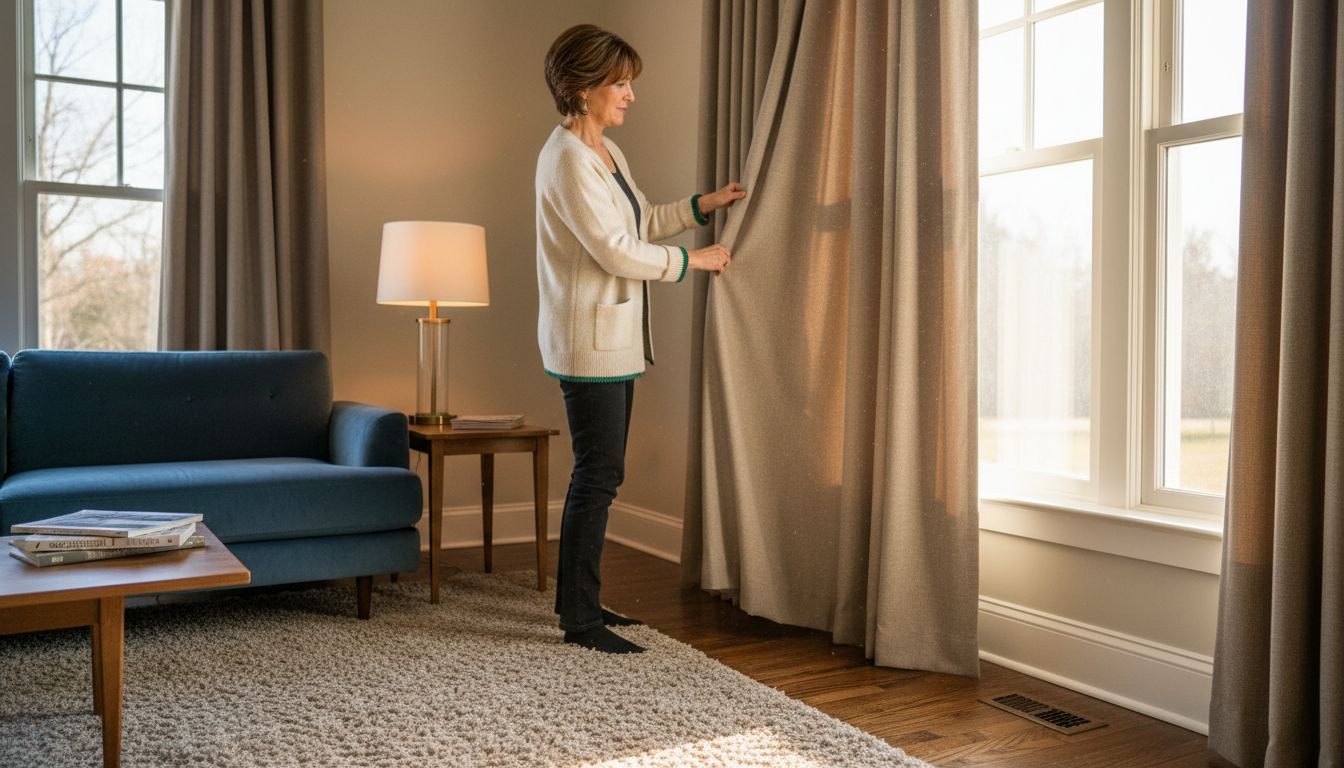
Finding window treatments that fit perfectly and truly reflect your style can feel out of reach when settling for store-bought curtains. For homeowners in Columbia, custom drapery challenges the idea that beautiful, unique designs must be costly or complex. By blending precise measurements, personalized fabric selection, and expert installation, custom drapery offers tailored solutions that enhance both comfort and design far beyond ready-made options.
Table of Contents
- Defining Custom Drapery And Common Myths
- Custom Drapery Vs. Ready-Made Options
- Types Of Fabrics And Design Elements
- The Custom Drapery Process Explained
- Key Costs, Risks, And Buyer Mistakes
Key Takeaways
| Point | Details |
|---|---|
| Custom Drapery Offers Unique Solutions | Custom drapery is tailored to your specific windows and preferences, providing aesthetic and practical advantages over ready-made options. |
| Myths vs. Reality | Common misconceptions about custom drapery include notions of high costs and complexity; in reality, options exist for various budgets and designs. |
| Impact of Quality Materials | Choosing high-quality fabrics and professional craftsmanship ensures durability and a refined appearance, justifying the higher upfront cost. |
| Consultation is Key | Working with professionals for design consultation helps streamline the decision-making process and ensures the final product meets your needs. |
Defining Custom Drapery and Common Myths
Custom drapery refers to fabric treatments designed specifically for your space, combining both aesthetic appeal and practical function in ways that off-the-shelf options simply cannot match. Unlike mass-produced curtains, custom drapery is tailored to fit your windows, architecture, and personal style preferences.
At its core, custom drapery involves more than just hanging fabric. It encompasses precision measurements, fabric selection, hardware choices, and installation that work together to enhance your home’s appearance and functionality.
What Sets Custom Drapery Apart
Custom drapery differs from ready-made solutions in several key ways:
- Precise fit tailored to your specific window dimensions and architectural features
- Material choices ranging from cotton blends to embroidered jacquard options that match your décor
- Professional craftsmanship ensuring quality construction and proper hanging
- Design flexibility allowing you to incorporate patterns, textures, and colors that reflect your style
- Enhanced light control and insulation properties based on your needs
The difference becomes clear when you consider how fabric interacts with your windows and room environment. Custom fabric solutions embody aesthetic and functional qualities that mass-produced items lack, blending form and function into a refined craft.
Myth One: Custom Drapery Is Always Expensive
Many Columbia homeowners assume custom drapery requires a luxury budget. In reality, custom options exist across various price points depending on fabric selection and complexity. A simple custom panel in a straightforward cotton fabric costs significantly less than ornate ready-made options. You control your investment.
Custom drapery pricing depends on your choices—fabric type, complexity, and hardware—not on a fixed “custom tax.”
Myth Two: Custom Means Overly Complicated
Some believe custom drapery requires elaborate designs or complex installations. The truth: custom simply means tailored to your needs. Your custom drapery could be clean and minimal, emphasizing simplicity while fitting your windows perfectly.
Myth Three: You Need Interior Design Experience
You don’t need design expertise to order custom drapery. Professional consultations walk you through fabric options, measurements, and style recommendations based on your preferences and space. Beautiful Window Elgin’s design consultations help you make confident choices without the guesswork.
Here is a summary of common drapery myths vs. the reality:
| Myth | Reality |
|---|---|
| Custom drapery is always expensive | Pricing varies with fabric and style choices |
| Custom options are complicated | Custom means tailored, not difficult |
| Design expertise is required | Professional guidance is included |
Understanding the Complexity Behind the Scenes
While ordering seems straightforward, custom drapery design involves thoughtful consideration of fabric manipulation, fitting precision, and how textiles interact with your specific architectural features and lighting conditions.
Key considerations include:
- Accurate window measurements from multiple points
- Fabric weight and drape characteristics for your climate
- Stack-back space needed when curtains open
- Header style and hardware requirements
- Lining options for insulation and light control
Pro tip: Request fabric samples before committing to your full order, allowing you to see how different materials look in your actual lighting and alongside your existing décor.
Custom Drapery vs. Ready-Made Options
Choosing between custom drapery and ready-made curtains comes down to understanding what matters most to your home. Both options have distinct advantages, and the right choice depends on your budget, timeline, and specific needs.
The Ready-Made Option
Ready-made curtains offer immediate solutions for window coverage. You can purchase and hang them the same day, making them convenient for urgent needs or rental situations where permanent changes aren’t possible.
Key advantages include:
- Lower upfront cost compared to custom solutions
- Instant availability without waiting for manufacturing
- Simple ordering process with no measurements or consultations required
- Pre-sized options for standard window dimensions
- Wide variety of colors and patterns at major retailers
However, ready-made curtains rarely fit perfectly. Most windows need different lengths, stack-back space, or width adjustments that off-the-shelf options cannot provide.
The Custom Drapery Advantage
Custom drapery is tailored specifically to your windows and preferences. Unlike ready-made solutions, custom options account for your exact dimensions, architectural style, and functional requirements.
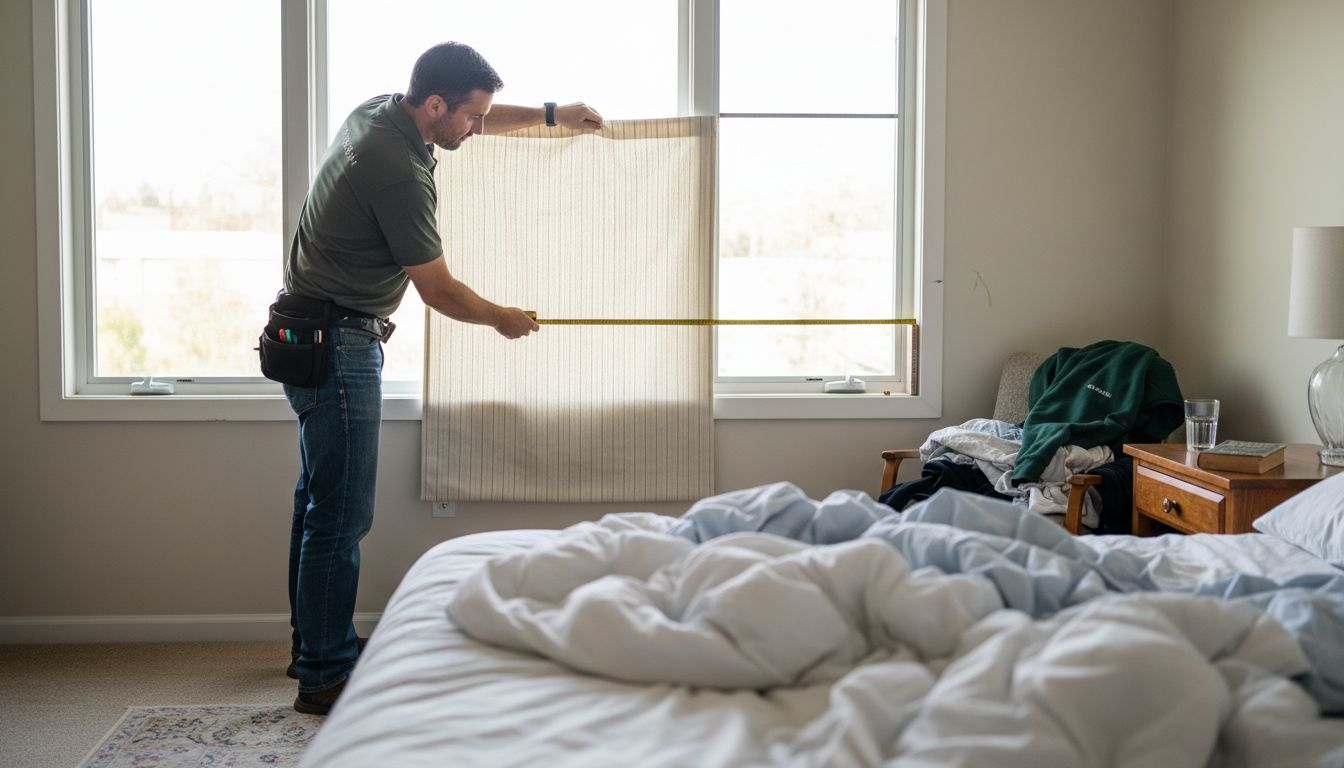
Tailored fit and fabric customization allow you to achieve superior results that align with both your aesthetic vision and practical needs. You choose every element: fabric weight, lining, header style, and hardware.
Custom drapery benefits:
- Precise measurements ensuring professional appearance
- Extensive fabric selection including cottons, embroidered jacquards, and specialty weaves
- Personalized design consultation with experienced professionals
- Linings and treatments optimized for light control and insulation
- Superior construction quality that lasts longer
- Better performance in function and visual appeal
Comparing the Two Side-by-Side
| Feature | Ready-Made | Custom Drapery |
|---|---|---|
| Fit | Standard sizes | Precise measurements |
| Fabric Options | Limited selection | Extensive designer fabrics |
| Timeline | Immediate | 2-4 weeks typical |
| Initial Cost | Lower | Higher investment |
| Longevity | 2-3 years | 5-10+ years |
| Design Input | None | Full customization |
The Value Conversation
Custom drapery costs more upfront, but the difference matters less when you factor in durability. A custom panel lasting eight years costs significantly less per year than ready-made curtains replaced every two to three years.
Custom drapery typically outperforms ready-made options in longevity, appearance, and functionality despite higher initial investment.
Columbia homeowners often find that custom drapery transforms a room in ways ready-made options cannot. The tailored fit immediately elevates your space’s visual impact.
When to Choose Each Option
Choose ready-made curtains for:
- Temporary window coverage or rental properties
- Budget-conscious quick solutions
- Standard window sizes needing minimal alterations
- Trying out colors before committing to custom
Choose custom drapery for:
- Permanent home installations where quality matters
- Unusual window shapes or architectural features
- Specific fabric requirements matching your décor
- Long-term investment in your home’s appearance
- Professional, finished aesthetic that complements designer furniture
Beautiful Window Elgin helps you navigate this decision through personalized consultations exploring your space, style, and budget.
Pro tip: Order fabric samples from custom providers before deciding; seeing actual materials in your lighting and against your existing décor eliminates uncertainty and ensures satisfaction with your final selection.
Types of Fabrics and Design Elements
Your fabric choice determines both how your drapery looks and performs. The right material transforms a room while the wrong one can disappoint. Understanding fabric options and design elements empowers you to make confident decisions.
Popular Fabric Types
Drapery fabrics come in numerous varieties, each with distinct characteristics. Popular drapery fabrics include cotton, silk, polyester blends, and specialty weaves that offer different aesthetic and functional benefits.
Common fabric options for custom drapery:
- Cotton provides a natural, breathable look with excellent durability for Columbia’s humid climate
- Silk offers luxurious drape and light-reflecting qualities perfect for elegant spaces
- Polyester blends deliver wrinkle resistance and easy maintenance without sacrificing appearance
- Jacquard weaves feature intricate patterns woven directly into the fabric for sophisticated visual interest
- Embroidered fabrics add textural details and artistic dimension to plain backgrounds
- Linen blends combine natural aesthetics with improved performance characteristics
Each fabric type affects how light filters through your windows and how the material hangs. Heavier fabrics create dramatic folds while lighter materials flow delicately.
Below is a reference table on custom drapery fabric types and primary benefits:
| Fabric Type | Notable Benefit | Ideal For |
|---|---|---|
| Cotton | Breathability, durability | Everyday use, humid climates |
| Silk | Luxurious look, light reflection | Formal rooms, elegant spaces |
| Polyester blends | Low maintenance, wrinkle resistance | Busy households, easy care |
| Jacquard | Woven patterns, texture | Sophisticated or artistic décor |
| Linen blends | Natural feel, strength | Casual, contemporary rooms |
Design Elements That Matter
Fabric alone doesn’t determine drapery success. Design elements work together with your chosen material to create the finished look. These include heading styles, pleating, and hardware options.
Heading styles shape how your drapery attaches to the rod:
- Rod pockets slip directly over your curtain rod for a clean, casual look
- Tab tops use fabric loops for a contemporary, relaxed appearance
- Pinch pleats create traditional, elegant folds at the top
- Grommet tops feature metal rings for modern, minimalist styling
- Goblet pleats form decorative cup-like shapes for formal settings
Linings and Layers
Drapery linings serve multiple purposes beyond aesthetics. They protect fabric from sunlight, improve insulation, and control light penetration. Design elements like lining choices affect both the visual appeal and functional performance of your window treatments.
Lining options include:
- Unlined drapery for sheer, lightweight fabrics allowing natural light
- Lined drapery with cotton backing for added weight and light control
- Blackout lined for maximum privacy and insulation in bedrooms
- Thermal lined for energy efficiency during Columbia’s hot summers
Texture and Pattern Considerations
Beyond solid colors, texture and pattern dramatically impact your room’s feel. Solid fabrics offer versatility while patterns add personality and visual interest. Consider how light plays across textured weaves throughout the day.
Your fabric choice and design elements work together—neither stands alone in creating successful custom drapery.
Columbia homeowners often choose subtle patterns that complement existing furniture rather than compete with it. Embroidered accents add sophistication without overwhelming the space.
Putting It All Together
Your custom drapery combines fabric selection with appropriate design elements. A delicate silk with rod pockets creates one aesthetic. The same silk with pinch pleats and blackout lining creates entirely different results.
Beautiful Window Elgin’s consultations help you match fabrics with design elements that suit your space, style, and functional requirements. The combination matters as much as individual choices.
Pro tip: Request samples of your top three fabric choices hung in your windows for several days; observing how light, color, and drape perform in your actual space eliminates guesswork and ensures genuine satisfaction.
The Custom Drapery Process Explained
Creating custom drapery involves a structured, collaborative process that transforms your vision into finished window treatments. Understanding each step helps you know what to expect and how to get the best results.
Step One: Initial Consultation
The process begins with a design consultation where professionals discuss your needs, preferences, and space. This conversation shapes every decision that follows. You’ll talk about light control requirements, color preferences, architectural style, and budget considerations.
During consultation, professionals assess:
- Room dimensions and window placement
- Existing décor and color schemes
- Functional requirements like privacy or light control
- Architectural features that influence design choices
- Timeline and budget parameters
- Your personal style preferences
This collaborative approach ensures your final drapery reflects your vision while meeting practical needs.
Step Two: Fabric Selection
With your style direction established, you explore fabric options that match your aesthetic and functional needs. Fabric selection involves understanding performance characteristics alongside visual appeal.
During this phase, you’ll consider:
- Material type and fiber composition
- Color and pattern options
- Lining choices for light control and insulation
- Durability and maintenance requirements
- How fabrics interact with natural light in your space
Beautiful Window Elgin provides physical samples you can take home, observing how colors and textures appear in your actual lighting throughout the day.
Step Three: Precise Measurements
Accurate measurements are essential to custom drapery success. Professionals measure multiple points on each window, accounting for architectural irregularities. The measurement and fabrication process ensures panels fit perfectly and function as intended.
Measurements include:
- Width at top, middle, and bottom of window
- Height from rod to desired length
- Stack-back space when curtains open completely
- Hardware and mounting locations
- Any architectural obstacles or irregularities
Step Four: Design Finalization
Once measurements are confirmed, you finalize design details like heading style, pleating options, and hardware selection. These choices directly impact the finished appearance and function.
Every step builds on the previous one—measurements inform cutting, design choices drive sewing techniques, and quality at each stage determines your final satisfaction.
Step Five: Fabrication
Skilledworkrooms cut and sew your drapery according to specifications. This includes adding headers, creating pleats, attaching linings, and finishing edges with precision. Quality craftsmanship ensures panels hang beautifully and perform reliably for years.
Step Six: Professional Installation
Installation is the final, critical step. Professionals hang your drapery using proper hardware, ensuring panels align perfectly and operate smoothly. They make adjustments for uneven walls or ceiling variations common in older Columbia homes.
Timeline Expectations
The entire process typically requires two to four weeks from consultation to installation. This timeline allows time for careful fabrication without rushing quality craftsmanship. Rush options are sometimes available for additional fees.
Pro tip: Schedule your consultation early when planning room updates, allowing adequate time for the complete custom drapery process without rushing decisions that affect your satisfaction.
Key Costs, Risks, and Buyer Mistakes
Custom drapery requires financial investment, but understanding costs, potential risks, and common mistakes helps you make decisions that maximize value. Smart buyers consider more than just the initial price tag.
Understanding Total Costs
The upfront cost of custom drapery is higher than ready-made options, but this reflects quality materials and professional craftsmanship. Many buyers underestimate the true cost of ownership by ignoring maintenance, replacements, and failure expenses.
Quality costs encompass prevention, appraisal, and failure expenses that affect your long-term satisfaction and budget. Understanding these categories helps you invest wisely.
Total cost considerations include:
- Fabric selection and material quality
- Professional design consultation and measurement
- Fabrication and construction labor
- Hardware and installation expenses
- Long-term maintenance and care requirements
- Potential replacement or repair costs
Common Buyer Mistakes
Avoid these frequent errors that lead to regret and wasted money:
Neglecting proper measurements creates panels that don’t fit correctly, requiring costly alterations or complete replacement. Measure multiple times from different points on your window.
Choosing inappropriate fabrics for your environment causes premature fading, staining, or deterioration. Consider humidity, direct sunlight, and traffic patterns in your room.
Ignoring maintenance requirements leads to damaged fabric and shortened lifespan. Ask about cleaning recommendations before purchasing.
Selecting styles conflicting with room lighting results in disappointed reactions when panels arrive. Test fabric samples in your actual lighting throughout the day.
Underestimating design complexity causes budget overruns. Discuss all costs upfront, including special pleating, multiple panels, or unusual window shapes.
Risk Factors to Consider
Understanding potential risks helps you mitigate them through informed decisions.
Higher-quality prevention costs today—expert advice and proper material selection—eliminate expensive failure costs later.
Common risks include:
- Installation errors causing misaligned panels or damaged walls
- Fabric shrinkage from improper cleaning or exposure
- Hardware failure from poor-quality rods or brackets
- Color fading from sun exposure without adequate UV protection
- Poor fit from inaccurate measurements or window variations
Protecting Your Investment
Minimize risks through these strategies:
- Work with experienced professionals who guarantee their work
- Request detailed written specifications before fabrication begins
- Choose quality linings that protect fabric from deterioration
- Invest in proper hardware rated for your window size
- Ask about warranty coverage on construction and installation
- Get professional cleaning recommendations in writing
Columbia’s humidity and intense summer sunlight create specific challenges. Discuss these environmental factors during your consultation.
The True Value Equation
Custom drapery costs more upfront because quality materials and craftsmanship last longer. A $2,000 custom panel lasting ten years costs $200 per year. A $400 ready-made curtain lasting two years costs $200 per year—without the superior appearance or perfect fit.
Pro tip: Request a detailed cost breakdown before committing, including fabric, labor, hardware, and installation fees; this transparency prevents surprise charges and helps you allocate your budget accurately.
Elevate Your Space with Truly Custom Drapery Solutions
Struggling with ill-fitting curtains or mass-produced fabrics that fail to capture your style and functional needs? This article highlighted the importance of precise measurements, fabric selection, and professional craftsmanship in creating window treatments that truly enhance your home. If you want to move beyond common myths like cost or complexity and achieve the perfect balance of beauty, durability, and performance, it is time to explore custom drapery fabrics tailored for your unique space.
Discover an extensive range of designer fabrics at Beautiful Window Elgin including cotton, embroidered, and jacquard satin options that make your vision a reality. Benefit from personalized design consultations and sample requests to ensure your selections match your lighting, décor, and privacy needs perfectly. Visit our custom drapery fabrics page today and transform your Columbia home with window treatments crafted just for you. Don’t wait to experience the lasting impact of custom quality — take the next step with Beautiful Window Elgin and secure your consultation now.
Frequently Asked Questions
What is custom drapery?
Custom drapery refers to window treatments made specifically to fit your windows and reflect your style preferences, providing a tailored solution that off-the-shelf options cannot match.
How does custom drapery differ from ready-made curtains?
Custom drapery is tailored to your specific window dimensions, offering extensive fabric choices, professional craftsmanship, and design flexibility, unlike standard ready-made curtains that come in fixed sizes and limited styles.
Is custom drapery more expensive than ready-made options?
While custom drapery often has a higher initial cost, it provides greater longevity and a better fit for your space, which can lead to better value over time compared to frequently replaced ready-made options.
Do I need design experience to choose custom drapery?
No, you don’t need design expertise. Professional consultations are available to help guide you through fabric choices, measurements, and design preferences based on your style and space.
Recommended
- Why Custom Window Treatments Matter for Homes – Shop Designer Fabrics by the Yard | Curtains & Drapery
- Cotton Drapery Explained: Style, Durability, and Impact – Shop Designer Fabrics by the Yard | Curtains & Drapery
- 7 Essential Curtain Fabric Types List for Homeowners – Shop Designer Fabrics by the Yard | Curtains & Drapery
- Drapes vs Curtains: Choosing the Best for Your Home – Shop Designer Fabrics by the Yard | Curtains & Drapery