
What is designer fabric? Guide to premium textiles for homeowners
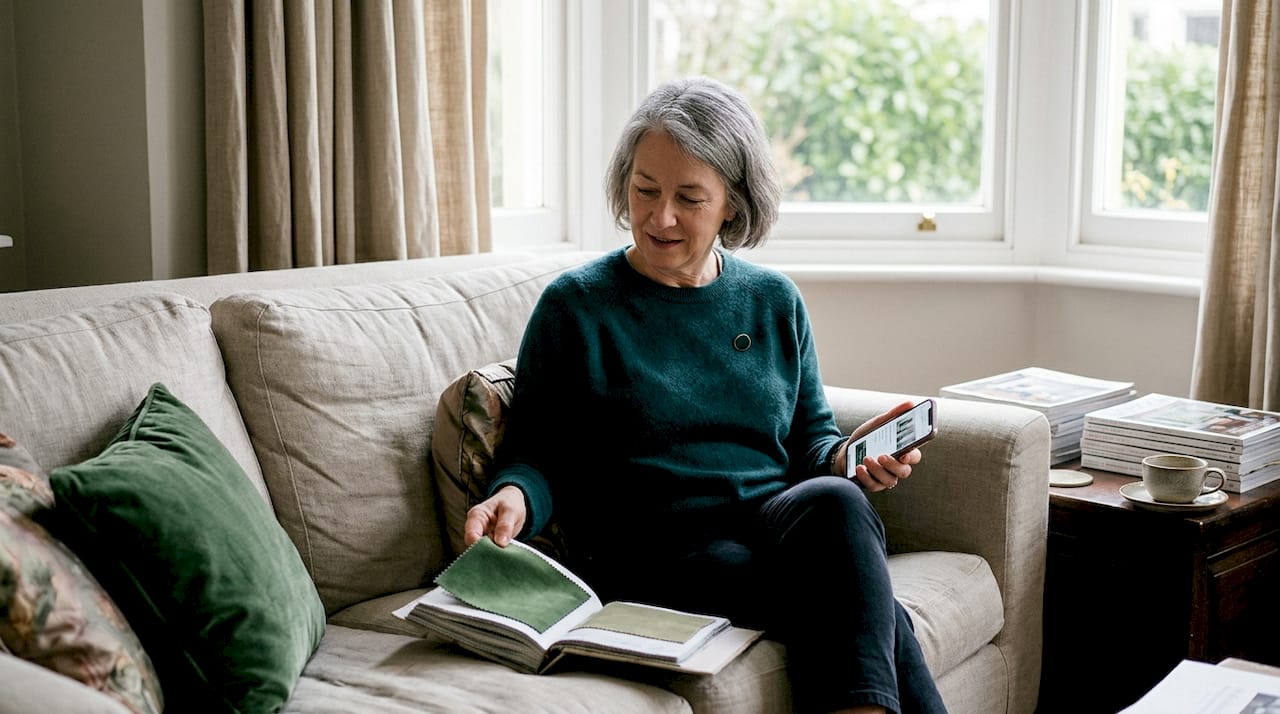
Not every fabric with a high price tag qualifies as a true designer textile. Many homeowners spend more than they need to on materials that look luxurious but lack the construction quality to back it up. Understanding what actually defines a designer fabric — high-quality, luxury textiles from renowned design houses featuring premium materials, intricate patterns, and superior craftsmanship — is the first step toward making smarter choices for custom window treatments and upholstery. This guide breaks down what sets designer fabrics apart, how to compare them to standard options, and how to match the right material to your specific home project.
Table of Contents
- Understanding designer fabric: What it means and why it matters
- Designer vs standard fabric: What’s the real difference?
- How is designer fabric made? Materials, durability, and performance explained
- Top designer fabric brands for home use
- Choosing the right designer fabric for your home: Key factors and real-life tips
- Exceptions and edge cases: When designer fabric isn’t always best
- Bring your designer fabric vision to life
- Frequently asked questions
Key Takeaways
| Point | Details |
|---|---|
| Designer fabric defined | Designer fabric means premium textile quality, exclusive design, and proven durability from top brands. |
| Performance and luxury | Designer fabrics can be both beautiful and practical when matched to your home’s needs. |
| Smart selection | Choosing the right fabric involves balancing traffic, sunlight, style, and care requirements. |
| Trusted sources | Brands like Thibaut, Kravet, and Sunbrella offer top choices for homeowners and DIYers. |
| Right use for right space | Some designer fabrics excel in formal rooms while performance lines are best for high-traffic areas. |
Understanding designer fabric: What it means and why it matters
The term “designer fabric” gets used loosely in retail, but it has a specific meaning in the home decor world. At its core, designer fabric refers to luxury textiles produced by recognized design houses, featuring superior craftsmanship, premium fibers, and intricate patterns. These are not mass-produced bolts from a discount bin. They are engineered for performance, visual impact, and longevity.
Designer fabrics typically use premium natural fibers like silk, linen, and velvet, or high-grade synthetic blends that replicate the feel of natural materials. They are often produced in wider widths, which is a practical advantage when choosing fabric for drapery because it reduces the number of seams needed. Understanding luxury home decor starts with recognizing that quality is built into the material itself, not just the label.
“Designer fabric elevates custom home projects with unmatched quality and design.”
Key benefits of designer fabric for homeowners:
- Durability: Higher rub counts and tighter weaves mean the fabric holds up longer under daily use.
- Aesthetics: Refined woven patterns, rich color saturation, and consistent texture create a polished finished look.
- Exclusivity: Limited production runs and signature patterns give your space a distinctive character.
- Wider widths: Many designer fabrics come in 54-inch or wider widths, simplifying DIY drapery projects.
- Colorfastness: Premium dyes resist fading, keeping your window treatments vibrant for years.
| Feature | Designer fabric | Standard fabric |
|---|---|---|
| Fiber quality | Premium natural or high-grade synthetic | Mixed or lower-grade synthetic |
| Pattern precision | Intricate, consistent repeat | Variable, less defined |
| Width | 54 inches or wider | Often 44-45 inches |
| Durability rating | High double rub counts | Lower rub counts |
| Colorfastness | Superior | Moderate |
Designer vs standard fabric: What’s the real difference?
With an understanding of what defines designer fabric, let’s compare it head-to-head with standard alternatives for real-life projects.
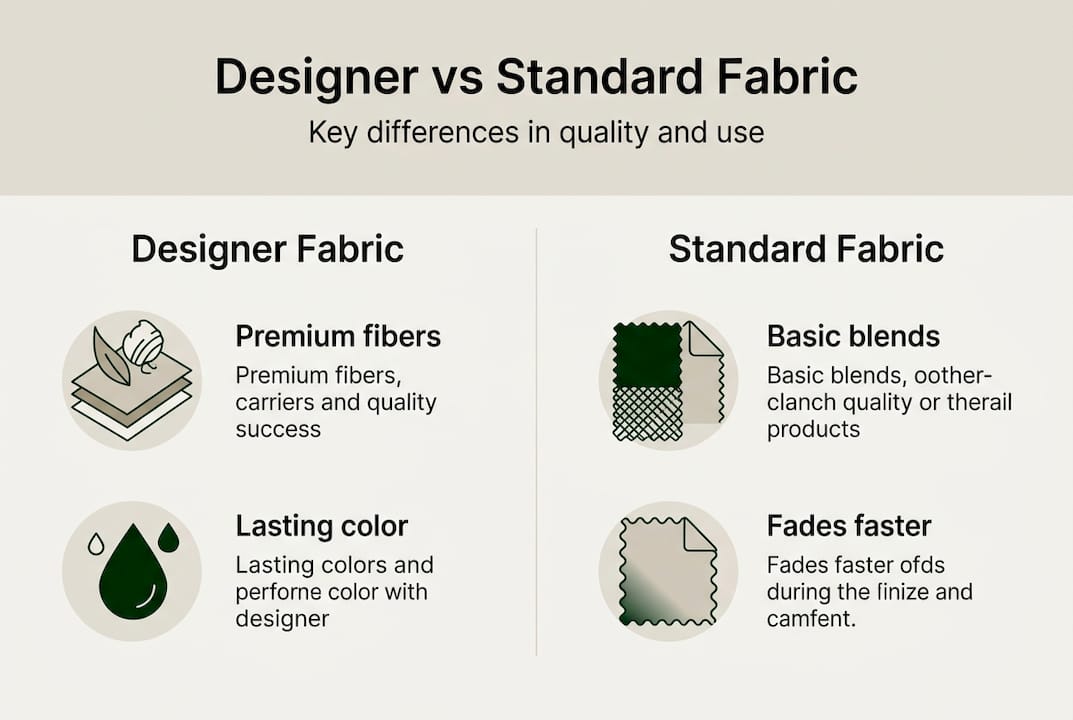
Designer fabrics offer better drape, lasting color, and superior durability compared to standard fabrics, though natural fiber options may require more careful maintenance. That distinction matters when you’re investing in custom window treatments or reupholstering a sofa you plan to keep for a decade.
Comparison at a glance:
| Category | Designer fabric | Standard fabric |
|---|---|---|
| Material | Silk, linen, velvet, premium blends | Polyester, basic cotton blends |
| Double rub count | 50,000 to 150,000+ | 5,000 to 15,000 |
| Fade resistance | High | Moderate to low |
| Stain resistance | Often treated | Rarely treated |
| Maintenance | Varies by fiber | Usually machine washable |
| Price per yard | Higher | Lower |
Performance designer fabrics can withstand 50,000 to 150,000 double rubs, outlasting most decorative fabrics by a significant margin. That number reflects real-world durability, not just a marketing claim. For curtain fabric types used in formal living rooms or primary bedrooms, that level of performance justifies the investment. For a casual playroom, a mid-range performance fabric may serve you just as well.
Understanding upholstery durability metrics helps you read product specs with confidence rather than relying on price alone.
Pro Tip: Always order fabric swatches before committing to a full yardage purchase. View them in your actual room lighting, both during the day and at night, to see how the color and texture truly read in your space.
How is designer fabric made? Materials, durability, and performance explained
You know designer fabric is different — but how is it actually constructed to perform and last in your home? The answer lies in fiber selection, weave structure, GSM (grams per square meter), and performance finishes applied during manufacturing.
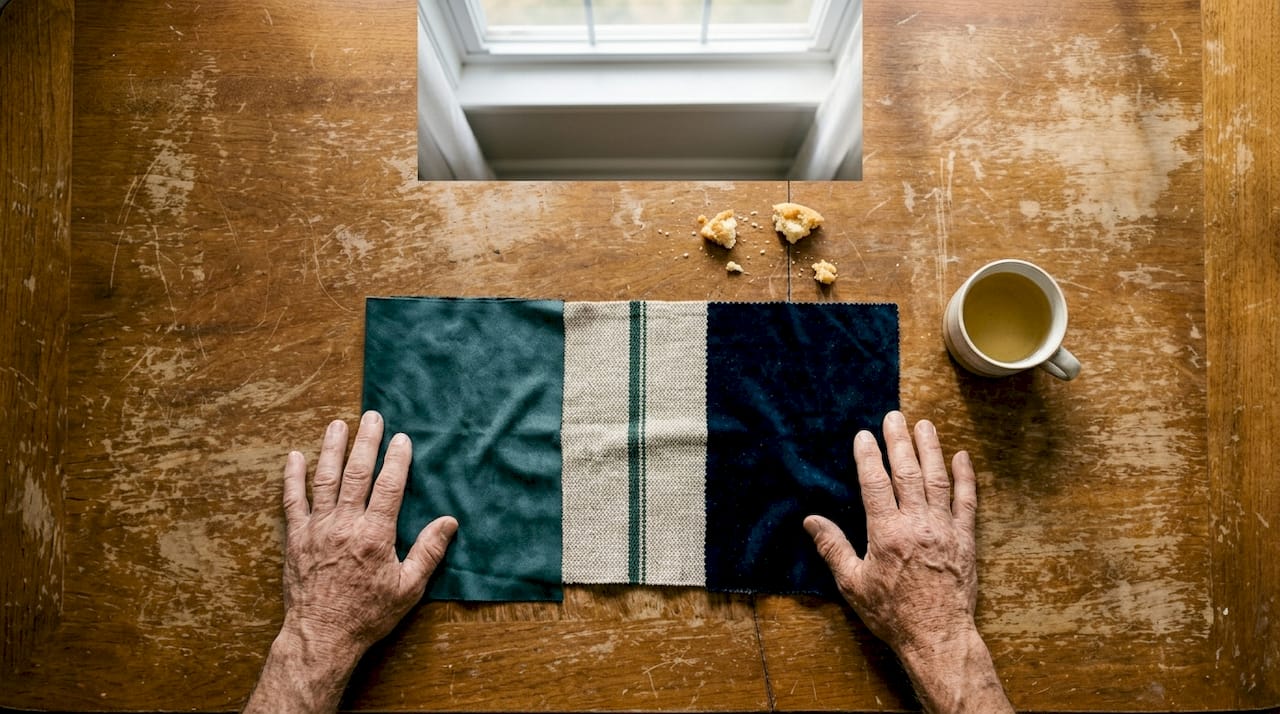
Natural fibers like silk and linen offer breathability and a refined hand feel, while high-grade synthetics like solution-dyed acrylic provide UV resistance and moisture repellency. Blends combine the best of both: the visual richness of natural fibers with the practical resilience of synthetics. Heavier upholstery fabrics range from 250 to 400 GSM, with double rub counts over 15,000 for light residential use, 30,000 or more for heavy residential, and 100,000 or more for commercial applications.
Two primary abrasion tests are used in the industry. The Wyzenbeek test (common in the U.S.) and the Martindale test (common in Europe) both measure how many cycles a fabric withstands before showing wear. Higher numbers mean longer life. For window treatment fabric tips focused on longevity, these numbers are worth checking before you buy.
For a durable home fabric that performs well over time, check these measurements before purchasing:
- Width: Confirm the usable width (not just the selvage-to-selvage measurement) to calculate yardage accurately.
- GSM: Higher GSM generally means a heavier, more substantial fabric suited for upholstery or lined drapery.
- Double rub count: Match the count to your intended use — light, heavy residential, or commercial.
- Care label: Dry clean only vs. spot clean vs. machine washable affects long-term maintenance costs.
- Country of origin and fiber content: These details often signal production quality and fiber authenticity.
Top designer fabric brands for home use
Ready to shop for the real thing? Here are the leading designer fabric brands you should know for your projects.
Brands like Thibaut, Kravet, House of Hackney, Rebecca Atwood, Calico Corners, Sunbrella, and Crypton offer high-quality designer fabrics for homeowners and are widely available by the yard. Each brand has a distinct specialty worth knowing:
- Thibaut: Known for sophisticated wallcovering-coordinated fabrics, refined geometric and botanical prints, and consistent quality across collections.
- Kravet: A broad range covering traditional to contemporary, with strong performance fabric lines suitable for high-traffic areas.
- House of Hackney: Bold, maximalist prints with an artisan sensibility, ideal for statement drapery panels.
- Rebecca Atwood: Soft, painterly patterns with a handcrafted aesthetic, well suited for bedroom window treatments.
- Calico Corners: Accessible designer fabric by the yard, with a wide selection of upholstery and drapery weights.
- Sunbrella: The benchmark for performance fabric, offering fade resistance and moisture repellency for sun-heavy rooms or outdoor-adjacent spaces.
- Crypton: Engineered for stain and odor resistance without sacrificing texture, making it a practical choice for family rooms.
For window treatment picks that balance style and function, knowing which brand excels in which category saves you time and money.
Pro Tip: Many retailers sell designer fabric remnants or end-of-bolt yardage at reduced prices. For smaller projects like valances, Roman shades, or accent pillows, remnants are an excellent way to access premium materials at a fraction of the cost.
Choosing the right designer fabric for your home: Key factors and real-life tips
Selecting the ideal designer fabric blends style and lifestyle. Here’s how to make your investment count for years.
Matching use case first — considering traffic, pets, and sun exposure before aesthetics — then testing swatches at home is the approach experts consistently recommend. Blends that balance luxury and performance often deliver the best long-term results.
“Function first, fashion second: the smartest designer fabric choices look great and last longer.”
Practical factors to evaluate before selecting your fabric:
- Foot traffic: A formal sitting room with minimal daily use can support delicate silk or velvet. A busy family room needs a higher rub count.
- Sun exposure: South or west-facing windows accelerate fading. Prioritize solution-dyed or UV-resistant fabrics in these rooms.
- Pets and children: Look for performance lines with stain-resistant finishes or tightly woven textures that resist snagging.
- Cleaning needs: Consider how often the fabric will need cleaning and whether dry cleaning is practical for your lifestyle.
- Style goals: Match the fabric weight and drape to the window treatment style — heavier fabrics for structured pleated panels, lighter weights for relaxed linen sheers.
For custom treatments that serve both form and function, always test swatches in your actual room lighting before committing to full yardage.
Exceptions and edge cases: When designer fabric isn’t always best
Not every room or project calls for the most expensive material. Let’s look at some crucial exceptions.
Delicate silks and velvets are best reserved for low-traffic areas or decorative use, while performance synthetics excel in homes with pets, kids, or high sun exposure. Knowing when to step back from a premium natural fiber is just as important as knowing when to invest in one.
Situations where designer fabric may not be the right choice:
- Homes with active pets: Claws and fur work against delicate weaves. Crypton or tightly woven performance fabrics are more practical.
- Children’s rooms or playrooms: Stain resistance and washability matter more than exclusivity in these spaces.
- Direct, intense sunlight: Even premium fabrics fade without UV protection. Sunbrella or solution-dyed acrylics are engineered for this condition.
- Rental properties or temporary spaces: A mid-range performance fabric delivers durability without the premium cost in spaces you don’t plan to keep long-term.
- High-humidity areas: Kitchens and bathrooms require moisture-resistant materials, not decorative silks.
For custom window treatment value that holds up over time, matching the fabric to the room’s actual conditions is always the smarter investment strategy.
Bring your designer fabric vision to life
You’re now ready to make confident fabric choices — here’s how Beautiful Windows can help your next project shine.
At Beautiful Windows Elgin, you’ll find an extensive selection of premium designer fabrics by the yard, including cotton, embroidered, and jacquard satin options suited for custom drapery and upholstery projects. Whether you’re sourcing material for a single Roman shade or outfitting an entire home, the collection is curated to meet both aesthetic and performance standards.
For practical guidance on selecting the right material for your specific window treatment, the fabric tips for homeowners blog is a reliable starting point. Custom consultation appointments are also available for homeowners and DIY enthusiasts who want personalized recommendations before committing to a fabric purchase. Quality fabric sourced with confidence makes every custom project worth the effort.
Frequently asked questions
What qualifies as a designer fabric?
A designer fabric is a premium textile crafted by renowned brands or design houses, featuring the highest quality materials and exclusive patterns. The distinction lies in fiber quality, production standards, and the reputation of the originating design house.
Are designer fabrics worth the higher price?
For custom home projects, designer fabrics are often worth the investment because they offer better drape and durability, with performance lines that resist stains and fading over time. The value is most apparent in high-visibility spaces like living rooms and primary bedrooms.
How can you tell if a fabric is truly ‘designer’?
Genuine designer fabrics carry clear branding and are sold through reputable retailers. Brands like Thibaut, Kravet, House of Hackney, and Calico Corners are recognized sources you can trust for authentic designer textiles.
What are double rub counts and why do they matter?
Double rub counts measure a fabric’s abrasion resistance, with 15,000 for light use and 100,000 or more for commercial applications. Higher counts mean the fabric will hold up longer under daily contact, which is especially important for upholstered furniture.
Can I use delicate designer fabrics in active, high-traffic areas?
Delicate fabrics like silk and velvet should only be used in low-traffic or decorative settings. For busy rooms, choose performance designer lines engineered for heavy residential or commercial use instead.
Recommended
- What are designer fabrics: quality and durability guide – Fabric Store in Columbia, SC | Drapery Making Services
- Designer Fabrics| Quality, Durability Guide – Fabric Store in Columbia, SC | Drapery Making Services
- Top 8 FabricBistro.com Alternatives in 2026 for Interior Designers and – Shop Designer Fabrics by the Yard | Curtains & Drapery
- Source drapery fabrics for custom window treatments 2026 – Designer Fabrics by the Yard | Drapery Making Services
- What Is Luxury Home Decor and Why It Matters – Marmorique