
Why Custom Window Treatments Matter for Homes
Choosing the right window treatments can quickly overwhelm even the most design-savvy homeowner in Columbia, SC. With countless options and styles on the market, it is easy to settle for ordinary solutions that miss the mark on style and function. By investing in custom window treatments, you open the door to beautifully crafted designs tailored to your home, needs, and taste—combining premium fabric selection with professional guidance for spectacular results.
Table of Contents
- Defining Custom Window Treatments And Misconceptions
- Types Of Custom Window Treatments Explained
- Personalization: Fabric Selection And Design Features
- Functional Benefits: Privacy, Light, And Efficiency
- Comparing Custom Versus Ready-Made Options
- Understanding Cost, Installation, And Common Mistakes
Key Takeaways
| Point | Details |
|---|---|
| Custom Window Treatments Provide Tailored Solutions | They are designed to meet specific needs for light control, energy efficiency, and aesthetic preferences, enhancing both functionality and style. |
| Common Misconceptions Can Limit Choices | Many believe custom options are overly expensive, only for large homes, or difficult to maintain, which is not the case. |
| Fabric Selection is Crucial | The choice of fabric impacts not just style but also thermal regulation, light management, and overall comfort in the living space. |
| Invest in Professional Consultation | Professional designers can offer valuable insights for selecting the right treatments, ensuring a perfect fit and seamless integration with the home’s design. |
Defining Custom Window Treatments and Misconceptions
Custom window treatments are far more than simple fabric coverings - they represent a sophisticated approach to transforming interior spaces through purposeful design and functionality. Unlike standard off-the-shelf curtains or blinds, custom window treatments offer homeowners precise solutions tailored specifically to their unique architectural environments and aesthetic preferences.
At their core, custom window treatments involve specialized design processes that go beyond conventional window coverings. These treatments are meticulously crafted to address specific challenges such as light control, energy efficiency, and architectural nuance. Window attachment technologies play a crucial role in understanding how these treatments can dramatically improve home performance.
Common misconceptions about custom window treatments often prevent homeowners from exploring their full potential. Many people mistakenly believe that custom treatments are:
- Prohibitively expensive
- Only suitable for large, luxurious homes
- Limited to traditional design styles
- Complicated to maintain
- Time-consuming to select and install
In reality, custom window treatments offer flexible solutions that can accommodate diverse budgets, architectural styles, and functional requirements. They provide benefits far beyond aesthetic appeal, including:
- Enhanced energy efficiency
- Improved interior temperature regulation
- Precise light management
- Noise reduction
- Increased home value
- Personalized design expression
The selection process involves carefully considering fabric weight, texture, color, pattern, and functional requirements specific to each room’s unique characteristics. Professional designers can help homeowners navigate these complex choices, ensuring optimal results that blend form and function seamlessly.
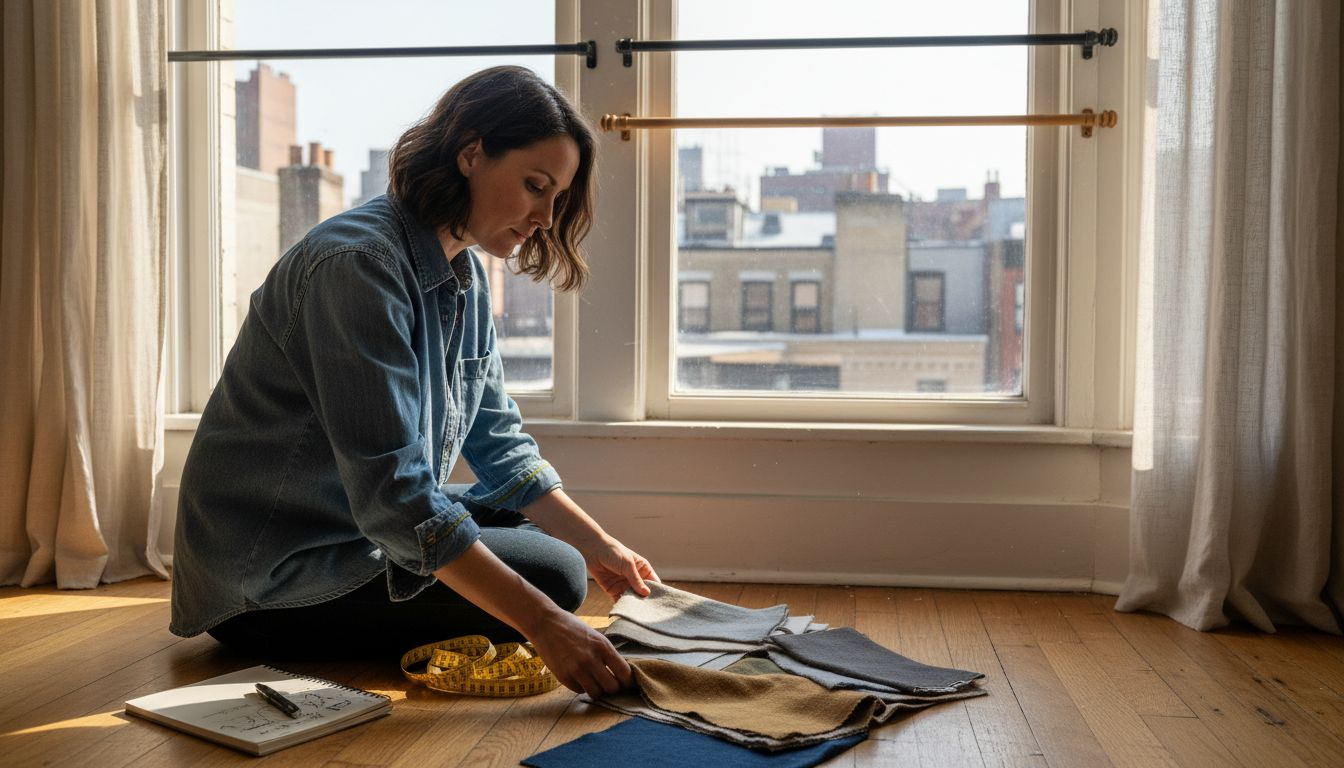
Pro tip: Before investing in custom window treatments, measure your windows precisely and consider the room’s primary purpose, lighting conditions, and overall design aesthetic.
Types of Custom Window Treatments Explained
Custom window treatments encompass a diverse range of design solutions that transform interior spaces through strategic functionality and aesthetic precision. Comprehensive window treatment options provide homeowners with unprecedented flexibility in addressing architectural challenges and personal design preferences.
The primary categories of custom window treatments include:
- Draperies: Elegant fabric panels that offer sophisticated light control and dramatic visual impact
- Roman Shades: Soft, folding fabric treatments that provide clean lines and excellent insulation
- Roller Shades: Minimalist designs offering streamlined light management
- Cellular Shades: Honeycomb-structured treatments maximizing energy efficiency
- Plantation Shutters: Architectural window coverings with adjustable louvers
- Vertical Blinds: Ideal for large windows and sliding glass doors
- Cornices and Valances: Decorative top treatments that add architectural interest
Each treatment type presents unique advantages in managing light, privacy, and interior temperature. Window treatment mechanisms vary significantly, allowing homeowners to customize their selections based on specific room requirements and personal aesthetic preferences.
Here’s a quick comparison of the main custom window treatment types and their ideal uses:
| Treatment Type | Best For | Main Benefit |
|---|---|---|
| Draperies | Living rooms, dining rooms | Dramatic style and control |
| Roman Shades | Bedrooms, study areas | Clean look, insulation |
| Roller Shades | Modern spaces, offices | Sleek design, easy use |
| Cellular Shades | All rooms | Superior energy efficiency |
| Shutters | Traditional interiors | Durability, adjustable light |
| Vertical Blinds | Large windows, sliding doors | Versatile coverage |
| Cornices/Valances | Accent areas | Architectural interest |
The selection process involves carefully evaluating multiple factors, including:
- Window dimensions and shape
- Room’s natural light exposure
- Interior design style
- Privacy needs
- Budget constraints
- Energy efficiency goals
Professional designers recommend considering the functional requirements of each space when selecting custom window treatments. A home office might prioritize light control and glare reduction, while a bedroom could emphasize privacy and thermal regulation.
Pro tip: Always obtain fabric samples and test them in your actual room lighting before making a final window treatment selection.
Personalization: Fabric Selection and Design Features
Fabric selection represents the cornerstone of creating truly personalized window treatments that reflect individual style and functional requirements. Interior design window treatment strategies demonstrate how carefully chosen materials can dramatically transform living spaces.
The primary fabric categories for custom window treatments include:
- Natural Fabrics:
- Cotton: Lightweight, breathable, versatile
- Linen: Crisp texture, excellent light filtration
- Silk: Luxurious, elegant drape
- Wool: Superior thermal regulation
- Synthetic Fabrics:
- Polyester: Durable, wrinkle-resistant
- Rayon: Soft, drapes beautifully
- Acrylic: Fade-resistant, budget-friendly
Key design features that enhance personalization involve multiple sophisticated elements:
- Texture variations
- Color depth and undertones
- Weave complexity
- Light transmission properties
- Thermal insulation capabilities
- Pattern scale and placement
Professional designers understand that fabric selection goes beyond aesthetic preferences. The chosen material influences room temperature, acoustic properties, light management, and overall environmental comfort. Consideration of factors like sunlight exposure, room humidity, and maintenance requirements becomes crucial in making an informed decision.
Fabric is not just a decorative element - it’s a functional component that shapes your living environment.
Each fabric type offers unique characteristics that can be strategically leveraged to solve specific design challenges. Lightweight sheers might maximize natural light in a home office, while dense blackout materials could create perfect sleep environments in bedrooms.
Pro tip: Request multiple fabric samples and observe them in different lighting conditions throughout the day before making your final selection.
Functional Benefits: Privacy, Light, and Efficiency
Window treatments serve far more than aesthetic purposes, offering critical functional benefits that directly impact home comfort and efficiency. Energy-efficient window coverings represent a strategic approach to managing interior environments with precision and intelligence.
The primary functional benefits of custom window treatments include:
- Privacy Control:
- Complete visual barrier options
- Adjustable opacity levels
- Targeted screening for different times of day
- Customizable coverage for unique window shapes
- Light Management:
- Precise daylight filtering
- Glare reduction technologies
- Room darkening capabilities
- Soft diffusion of natural light
- Energy Efficiency Benefits:
- Thermal insulation
- Reduced heating/cooling costs
- Solar heat gain prevention
- Improved climate control
Strategic window treatments can reduce energy costs by up to 25% through intelligent design and material selection.
Professional designers recognize that window treatment strategies go beyond simple coverings. They create dynamic environmental control systems that adapt to changing sunlight, temperature, and privacy requirements throughout the day.
The sophisticated layering of window treatments allows homeowners to create nuanced interior environments. Sheer fabrics can provide soft light diffusion, while blackout materials offer complete darkness when needed. This versatility transforms window treatments from passive design elements into active comfort management tools.
Pro tip: Invest in motorized or programmable window treatments that can automatically adjust based on sunlight intensity and interior temperature for maximum efficiency.
Comparing Custom Versus Ready-Made Options
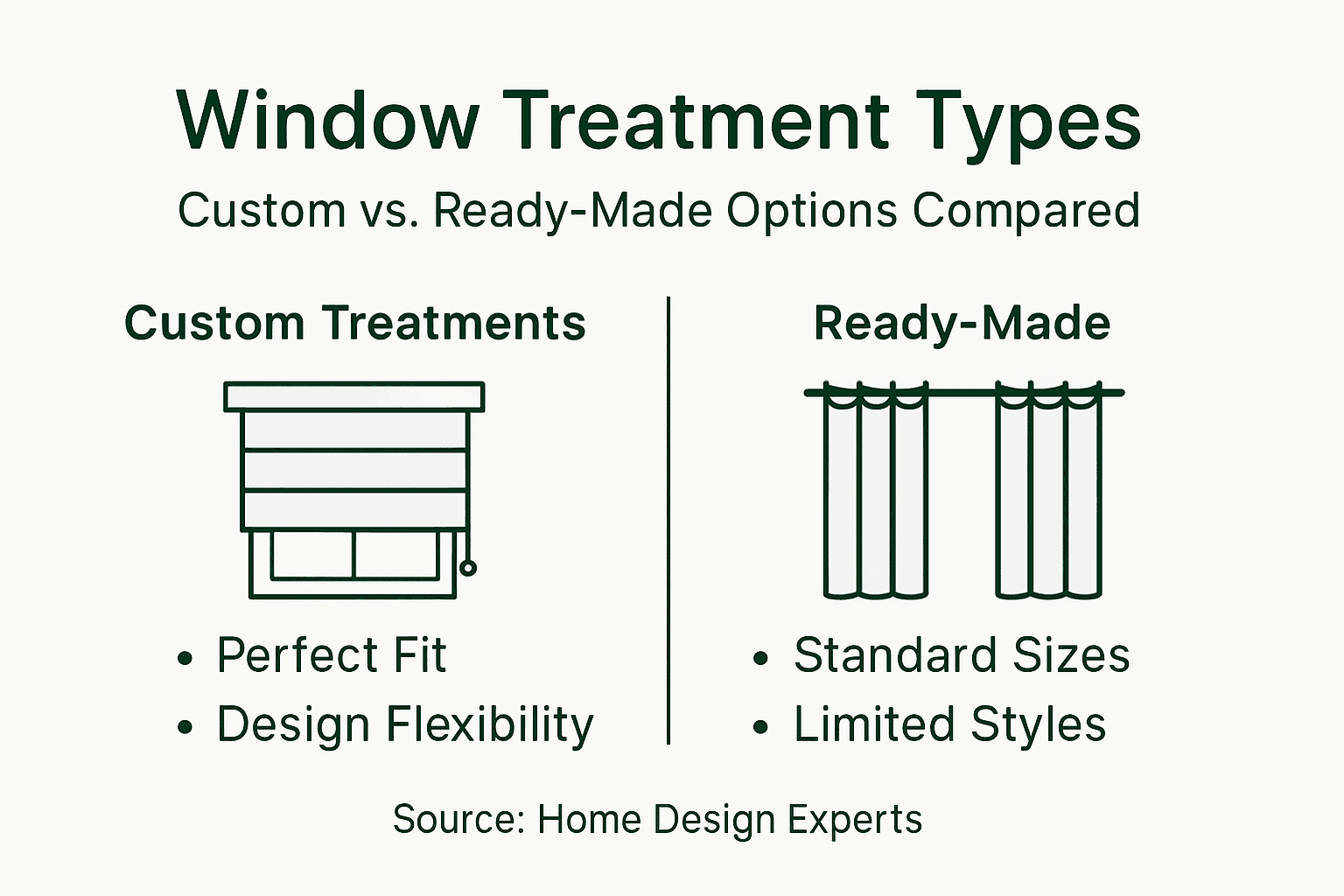
Custom window treatments represent a sophisticated alternative to standard ready-made options, offering homeowners unprecedented flexibility and precision in addressing their specific design and functional requirements. While ready-made window coverings provide quick and affordable solutions, they often compromise on quality, fit, and personalization.
Key differences between custom and ready-made window treatments include:
- Sizing and Fit:
- Custom: Precise measurements, perfect window coverage
- Ready-Made: Standard sizes, potential gaps or improper fit
- Custom: Accommodates unique window shapes
- Ready-Made: Limited to rectangular standard dimensions
- Design and Aesthetic Quality:
- Custom: Unlimited fabric and design choices
- Ready-Made: Limited color and pattern selections
- Custom: Professional design consultation
- Ready-Made: Mass-produced, generic appearance
- Functional Performance:
- Custom: Optimized for specific room requirements
- Ready-Made: Generic light and temperature management
- Custom: Advanced material technology
- Ready-Made: Basic fabric implementations
Custom window treatments are not an expense, but an investment in your home’s comfort and aesthetic value.
The fabrication process for custom treatments involves multiple specialized steps that ensure superior quality and performance. Professional designers carefully select materials, consider room-specific requirements, and craft treatments that seamlessly integrate with existing interior design elements.
Ready-made options might seem more economical initially, but they frequently require replacement more frequently due to inferior construction and materials. Custom window treatments provide long-term value through durability, precise functionality, and timeless design that adapts to changing interior aesthetics.
Pro tip: Request detailed fabric samples and schedule a professional consultation to understand the comprehensive value of custom window treatments before making a final decision.
Understanding Cost, Installation, and Common Mistakes
Window treatment investments involve multiple complex considerations beyond initial pricing, requiring homeowners to understand the nuanced factors that influence long-term value and performance. Window treatment installation mistakes can significantly impact both aesthetic appeal and functional effectiveness.
Typical cost considerations for custom window treatments include:
- Price Range Factors:
- Fabric quality and complexity
- Window size and shape
- Customization level
- Installation complexity
- Hardware and mechanism selections
- Installation Challenges:
- Precise measurement requirements
- Structural wall considerations
- Professional versus DIY installation
- Equipment and tool necessities
- Potential structural modifications
- Common Measurement Mistakes:
- Incorrect width calculations
- Overlooking window frame depth
- Ignoring architectural irregularities
- Failing to account for hardware clearance
- Miscalculating desired coverage area
Accurate measurements can save up to 40% in potential reinstallation and replacement costs.
Professional designers recommend a comprehensive approach that considers both aesthetic preferences and functional requirements. This holistic perspective helps homeowners avoid expensive errors and ensures a seamless integration of window treatments with existing interior design elements.
To help prioritize your custom window treatment investment, review these common cost-impacting factors:
| Factor | Effect on Final Cost | Why It Matters |
|---|---|---|
| Fabric grade | Raises cost significantly | Impacts look and durability |
| Window size/shape | Custom requires higher spend | Ensures proper fit |
| Installation complexity | Higher labor fees | May require pro expertise |
| Mechanism and hardware | Costs rise with premium parts | Determines ease of use |
Budget allocation for window treatments should prioritize quality and long-term performance over initial cost savings. Cheaper alternatives often require more frequent replacements, ultimately proving more expensive and less satisfactory compared to well-designed custom solutions.
Pro tip: Invest in professional measuring services and request multiple consultations to ensure precise fitting and optimal performance of your window treatments.
Discover the Power of Custom Window Treatments for Your Home
The article highlights the common challenges homeowners face when selecting window treatments: poor fit, limited design choices, and missed opportunities for energy efficiency and personalized style. If you want to avoid these pitfalls like inaccurate measurements, lack of fabric options, and settling for generic solutions, custom window treatments are the key. They offer precise sizing, superior fabric selection, and functional benefits such as privacy control, light management, and enhanced energy savings. At Beautiful Window Elgin, we understand the importance of these solutions and specialize in helping you find the perfect fabrics and accessories to bring your vision to life.

Transform your living spaces with our extensive range of designer fabrics including cotton, embroidered, and jacquard satin that cater to both traditional and modern interiors. Whether you are a homeowner, interior designer, or DIY enthusiast, our personalized services like design consultations and custom drapery appointments ensure a seamless experience from selection to installation. Visit https://beautifulwindowselgin.com today to explore our high-quality materials and take the first step toward elegant, energy-efficient window treatments crafted just for your home.
Frequently Asked Questions
What are custom window treatments?
Custom window treatments are tailored solutions for window coverings that enhance both the functionality and aesthetic of a space, providing specific solutions for light control, energy efficiency, and architectural nuances.
What are the benefits of custom window treatments compared to ready-made options?
Custom window treatments offer a perfect fit, a wider range of design options, and optimized functionality tailored to specific rooms, whereas ready-made options may compromise on quality and personalization.
How do I choose the right type of custom window treatment for my home?
Consider factors like window dimensions, natural light exposure, your interior design style, and privacy needs. Consulting with a professional designer can help you determine the best options for each space.
How does fabric selection impact the effectiveness of window treatments?
The choice of fabric affects light management, thermal insulation, and overall comfort in a room. Different fabrics have unique properties that can enhance or dampen natural light, regulate temperatures, and influence acoustic qualities.
Recommended
- Purple pencil pleat curtain panel| 96" Length – Beautiful Windows Elgin | Shop Designer Fabrics by the Yard
- How to Choose the Right Fabric | Beautiful Windows Elgin Fabric Guide – Beautiful Windows Elgin | Shop Designer Fabrics by the Yard
- Dining Room Curtains Ideas—Beautiful Windows Elgin – Beautiful Windows Elgin | Shop Designer Fabrics by the Yard
- Information You Need—To-Know Before Buying Curtains – Beautiful Windows Elgin | Shop Designer Fabrics by the Yard
- Choosing Windows for Garden Rooms: Style and Efficiency
- 7 Essential Window Cleaning Tips for Rental Properties
- Explaining Custom Awning Options for UK Homes