
Curtain lining explained: Improve comfort, style, efficiency
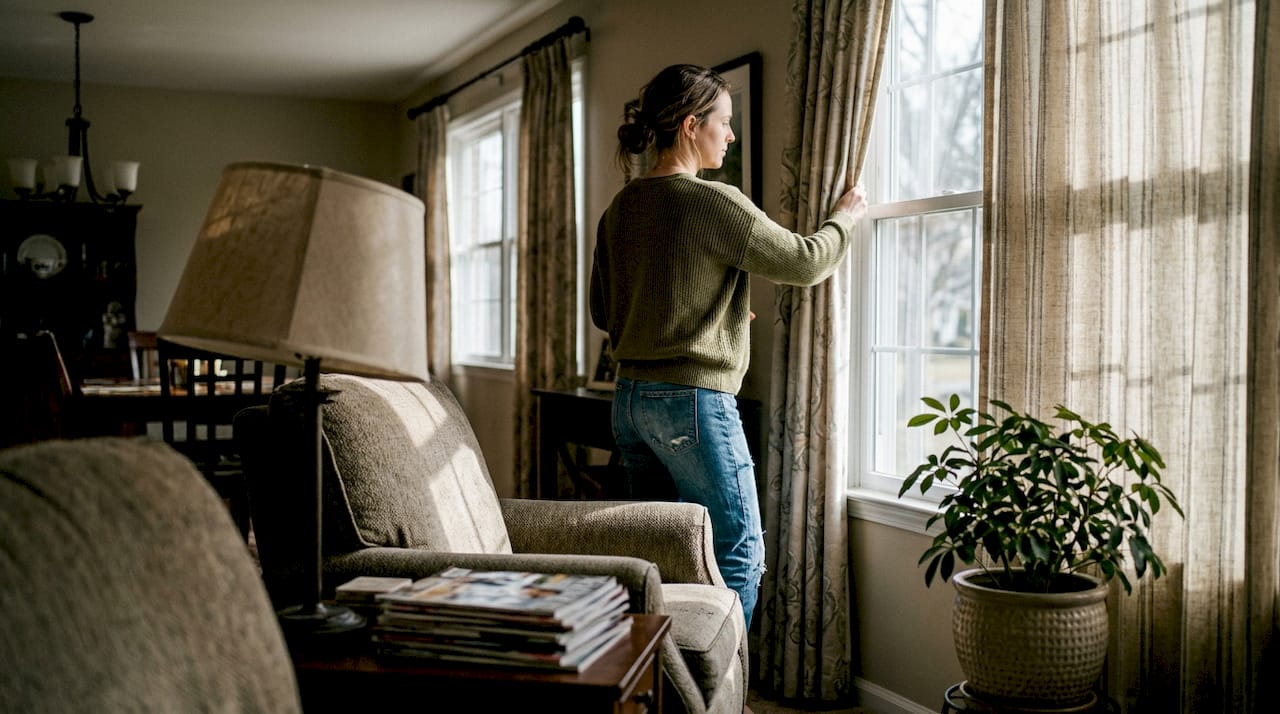
TL;DR:Proper curtain lining significantly reduces heat loss and prolongs fabric durability.Choosing the right lining type enhances energy efficiency, privacy, and room aesthetics.Integrating high-quality lining during initial installation offers long-term comfort and value.
Most homeowners treat curtain lining as a finishing detail, something to add if the budget allows. That assumption costs real money every season. The right lining can reduce heat loss by up to 40%, protect your fabric investment from sun damage, and transform how a room feels throughout the year. Whether you’re outfitting a bedroom, a media room, or a sun-drenched living space, understanding curtain lining is one of the most practical decisions you can make. This guide walks you through every type, every benefit, and every step you need to choose and install the right lining with confidence.
Table of Contents
- What is curtain lining and why does it matter?
- Comparing curtain lining types: Pros and cons
- How curtain linings enhance your home: Real benefits
- How to select and install curtain linings: A practical guide
- What homeowners often overlook about curtain linings
- Upgrade your curtains with expert lining solutions
- Frequently asked questions
Key Takeaways
| Point | Details |
|---|---|
| Energy efficiency boost | Curtain linings can help you cut heating and cooling costs by reducing drafts and heat loss. |
| Improved privacy and comfort | Choosing the right lining increases privacy and creates a more comfortable living space. |
| Enhanced curtain lifespan | Linings protect curtain fabrics from sunlight and wear, extending their usable life. |
| Better aesthetics | Linings add fullness and drape, improving the visual appeal of window treatments. |
| DIY-friendly options | Many linings can be installed by homeowners with basic tools and guidance. |
What is curtain lining and why does it matter?
Curtain lining is a secondary layer of fabric sewn or attached to the back of your main curtain panel. It sits between the decorative face fabric and the window, quietly doing several important jobs at once. Most people focus on color and pattern when selecting curtains, but the lining is what determines how those curtains actually perform in daily use.
The core functions of curtain lining include:
- Thermal insulation: Creates a buffer zone that slows heat transfer through the window.
- Light control: Reduces glare and, with blackout options, blocks light entirely.
- Privacy: Adds opacity so interiors remain private during the day and at night.
- Fabric protection: Shields the face fabric from UV rays that cause fading and fiber breakdown.
- Improved drape: Adds weight and body so curtains hang with more fullness and structure.
There are four main lining types worth knowing. Standard lining is a basic cotton or polyester layer that improves drape and offers modest insulation. Thermal lining incorporates an acrylic foam or special weave that significantly reduces heat loss. Blackout lining uses a tightly woven or coated fabric to block light and dampen sound. Interlining is a thick, padded layer inserted between the face fabric and the lining, adding luxury weight and superior insulation.
“Drapery lining is key to protecting curtain fabrics over time, preserving both color and structural integrity.”
The energy impact is measurable. Properly lined curtains cut heat loss by 40% compared to unlined panels, which translates directly to lower utility bills in both winter and summer. Fabric longevity is equally significant. Without a lining, direct sun exposure degrades fibers within a few years, especially in south or west-facing rooms.
Pro Tip: Match your lining choice to the room’s primary need. Thermal lining works well in bedrooms where temperature consistency matters. Blackout lining is the right call for media rooms and nurseries where light elimination is the priority.
Comparing curtain lining types: Pros and cons
With the basics clear, it’s time to weigh which type of lining best suits your situation. Each option brings distinct strengths, and the right choice depends on your room’s function, sun exposure, and climate.
| Lining type | Best for | Key benefit | Drawback |
|---|---|---|---|
| Standard | Living rooms, low-sun rooms | Improves drape and privacy | Minimal insulation |
| Thermal | Bedrooms, cold climates | Reduces heat loss significantly | Adds some bulk |
| Blackout | Media rooms, nurseries | Full light and sound blocking | Can feel heavy |
| Interlining | Formal rooms, luxury drapes | Maximum insulation and weight | Higher cost and complexity |
As curtain fabric types vary widely in weight and weave, different linings suit different rooms and climates. A lightweight voile in a sunny breakfast nook needs a different backing than a heavy jacquard in a formal dining room.
Here is a sequential guide to assessing your needs before purchasing:
- Identify the room’s primary function. Is light control, temperature regulation, or privacy the top priority?
- Assess sun exposure. South and west-facing windows receive intense afternoon sun, making UV-resistant or thermal linings more valuable.
- Evaluate your face fabric. Lighter fabrics benefit most from interlining for added body. Heavier fabrics may only need standard lining.
- Consider your climate. Homes in colder regions gain the most from thermal or interlined curtains. Warmer climates may prioritize light control over insulation.
- Set a realistic budget. Interlining and blackout options cost more upfront but deliver long-term savings on energy and fabric replacement.
Pro Tip: For windows with high sun exposure, always select a UV-resistant lining. It reduces fabric fading and extends the life of your decorative panels by several years, protecting your investment in quality choosing curtain fabrics.
How curtain linings enhance your home: Real benefits
Now let’s dig into the real-life improvements curtain linings create for your home. The numbers are more compelling than most homeowners expect.
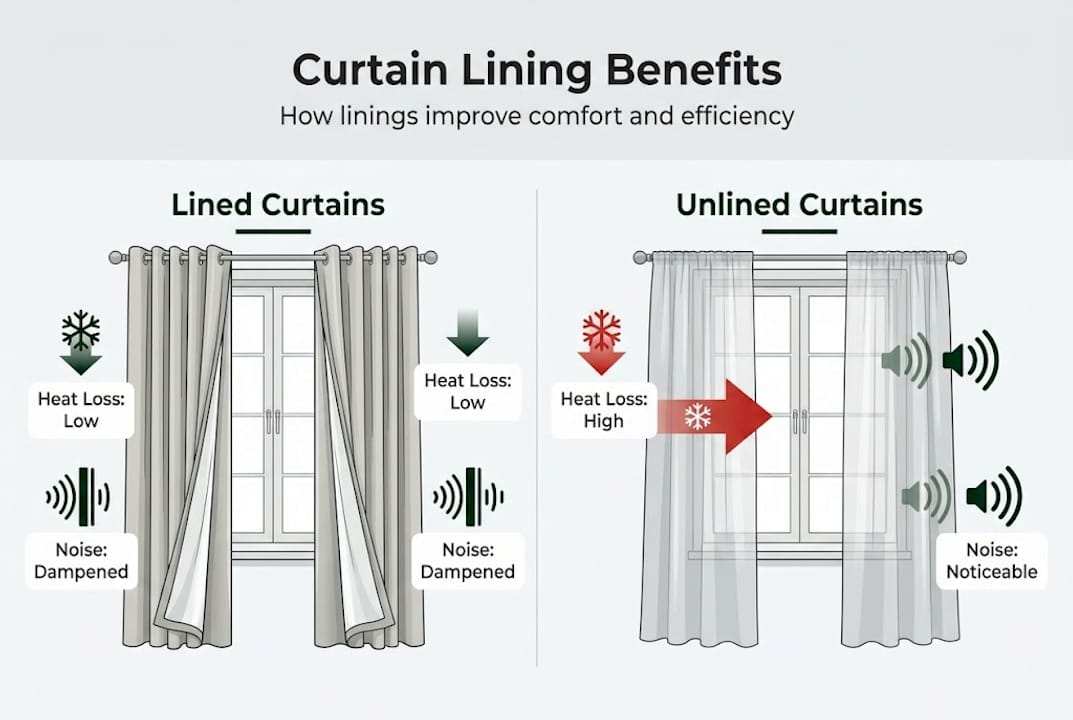
Energy savings are the most immediate benefit. Lined curtains act as an insulating barrier, reducing the workload on your heating and cooling systems. The result is a measurable drop in monthly energy costs, particularly in rooms with large or older windows.
| Benefit | Lined curtains | Unlined curtains |
|---|---|---|
| Heat loss reduction | Up to 40% | Minimal |
| Light blocking | Moderate to full | Low |
| Sound dampening | Moderate | Negligible |
| Fabric lifespan | Extended significantly | Shortened by UV |
| Visual fullness | High | Low to moderate |
Beyond energy, the custom curtain benefits extend to everyday comfort. Lined curtains reduce noise from outside, which matters in urban homes or properties near busy roads. They also improve privacy without requiring you to keep blinds permanently closed.
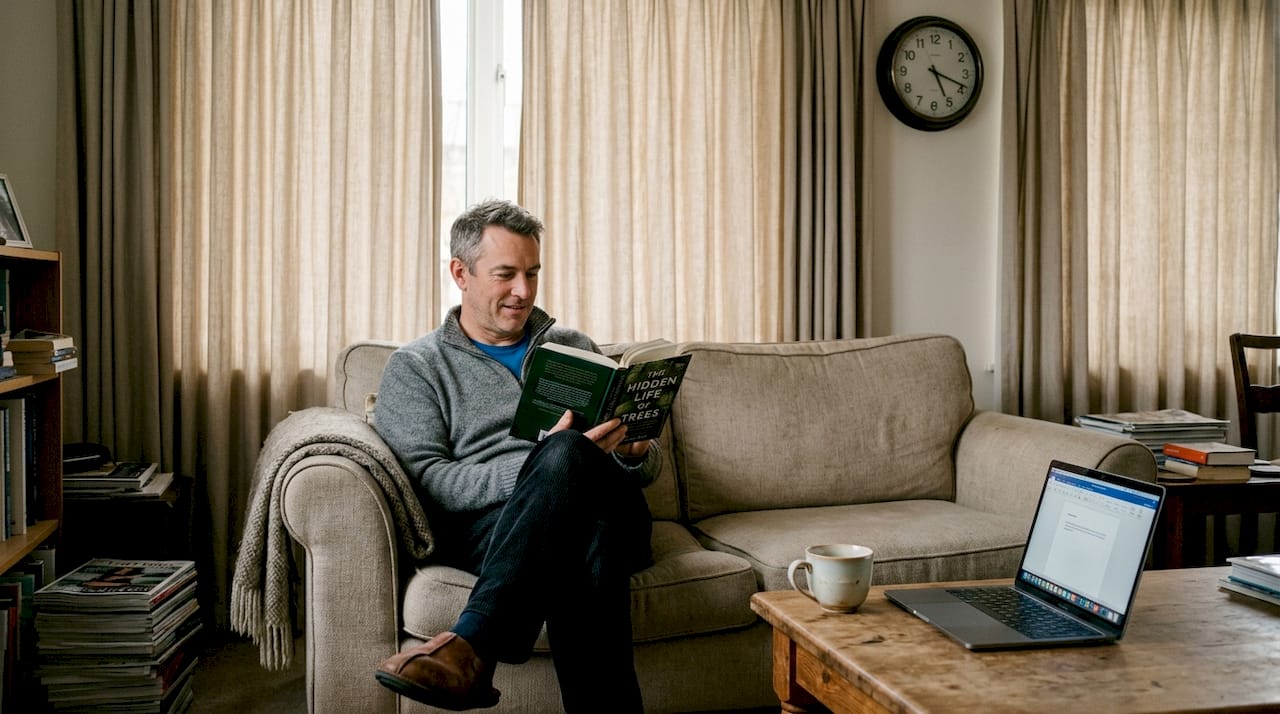
Fabric durability is a benefit that pays off over years, not weeks. Sun exposure is the primary cause of curtain fabric degradation. A lining intercepts UV rays before they reach the face fabric, which means your decorative panels retain their color and texture far longer. This is especially relevant for premium fabrics like embroidered cotton or jacquard satin.
Visually, lining adds fullness and structure to curtain panels. Unlined curtains often look flat or limp, especially in lighter fabrics. A well-chosen lining gives panels the weight they need to hang in clean, even folds. For practical window treatment fabric tips, pairing the right lining with your face fabric is as important as the fabric selection itself.
Consider a practical scenario: a homeowner with large west-facing windows adds thermal lining to their existing curtains. Within one billing cycle, they notice a reduction in afternoon heat buildup and a more consistent room temperature. That single upgrade, at a modest cost, delivers improved indoor comfort season after season.
How to select and install curtain linings: A practical guide
So, how do you actually pick the right lining and get it installed? Here’s your hands-on guide for a smooth, professional result.
- Measure your curtain panels accurately. The lining should be cut to match the face fabric width and length precisely. Add a half-inch seam allowance on all sides to prevent the lining from pulling or puckering after sewing.
- Select the lining type based on your room assessment. Refer to the comparison table above. Match lining weight to face fabric weight for balanced drape.
- Pre-wash both fabrics if needed. Some linings and face fabrics shrink at different rates. Pre-washing prevents mismatched sizing after the first laundering.
- Pin and baste before sewing. Align the lining and face fabric wrong sides together, then pin at regular intervals. Baste along the edges before final stitching to prevent shifting.
- Sew with consistent seam allowances. Use a straight stitch at a consistent depth. Press seams flat with an iron for a clean, professional finish.
- Attach to the curtain rod and assess the hang. Check that the lining does not show below the hem and that the panels hang evenly. Adjust as needed before final pressing.
Matching lining to common curtain styles matters as much as the fabric itself. Pinch pleat panels need a stiffer lining to hold their shape. Tab top or grommet curtains work well with lighter standard linings that don’t add excessive bulk at the heading.
The curtain selection process confirms that choosing fabric types and linings depends on your home’s specific needs and aesthetic goals, not a one-size-fits-all formula.
Pro Tip: Always double-check dimensions and test fabric compatibility with a small swatch before cutting the full panel. A quick test prevents costly mistakes with premium materials.
What homeowners often overlook about curtain linings
Stepping back, most guides treat curtain lining as a secondary consideration, something you add after the decorative decisions are made. That framing is backwards. Lining should be part of the initial planning, not an afterthought.
Professional installers consistently report that clients who invest in quality lining early see better long-term results in both comfort and fabric condition. The upfront cost is modest compared to replacing faded or structurally compromised curtains within a few years.
There is also an overlooked seasonal dimension. The same lining that reduces heat loss in winter helps block solar heat gain in summer. A thermal or blackout lining works year-round, not just during cold months. That dual function makes it one of the highest-value upgrades available for any window.
As noted in the importance of drapery lining, curtain linings are central to both appearance and performance, a fact that experienced workrooms treat as standard practice. The minor investment in a quality lining delivers major gains in comfort, efficiency, and the visual quality of your window treatments. Treating it as optional means leaving real value on the table.
Upgrade your curtains with expert lining solutions
Finding the right lining starts with having access to quality materials and reliable guidance. Beautiful Window Elgin offers a curated selection of fabrics and accessories designed to meet the demands of both DIY projects and professional drapery workrooms.

From durable waterproof canvas fabric suited for high-performance applications to an extensive range of designer textiles, the collection supports every lining and curtain combination. Whether you need thermal backing for a cold bedroom or a refined standard lining for a formal living room, you’ll find the right material at Beautiful Window Elgin. Design consultations and custom drapery services are also available for homeowners who want expert input before committing to a fabric choice.
Frequently asked questions
What are the energy-saving benefits of curtain lining?
Curtain linings block drafts and reduce heat loss by 40%, lowering the demand on your heating and cooling systems throughout the year.
Does blackout lining work for all types of curtains?
Blackout linings can be added to most curtain styles, but they perform best with heavier face fabrics. Lining types suit different curtain styles, so matching weight and construction matters for maximum light and sound blocking.
How do I choose the right lining for my bedroom?
Thermal or blackout lining is the strongest choice for bedrooms, as both options improve temperature consistency and privacy. Thermal and blackout linings are widely recommended for sleeping spaces where comfort and darkness are priorities.
Are curtain linings difficult to install for DIYers?
Most curtain linings are manageable for homeowners with basic sewing skills and careful measurements. DIY lining installation becomes straightforward when you follow a clear, step-by-step process and pre-test your fabric combination.
Will lining affect the look and feel of my curtains?
Lining adds fullness and improves drape, giving curtain panels a richer, more structured appearance. Lining enhances drape and visual weight, which is especially noticeable in lighter or medium-weight face fabrics.
Recommended
- Curtain lining: cut heat loss 40% and boost style – Fabric Store in Columbia, SC | Drapery Making Services
- What is drapery lining and why it matters for your home – Fabric Store in Columbia, SC | Drapery Making Services
- Trending curtain fabrics for stylish windows in 2026 – Fabric Store in Columbia, SC | Drapery Making Services
- Common Curtain Styles to elevate your home decor – Fabric Store in Columbia, SC | Drapery Making Services
- Window Treatment Basics: Style, Function & Energy Savings