
Decorative fabric options: a guide for homeowners
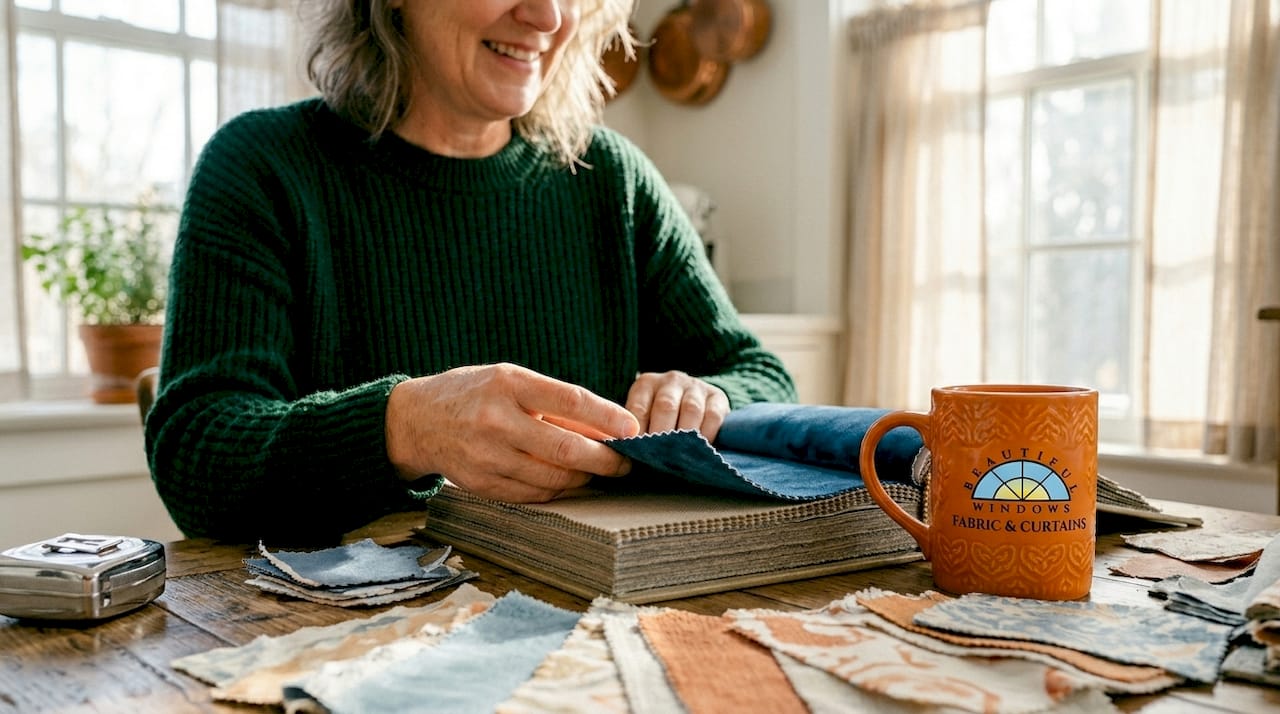
TL;DR:Choosing the right decorative fabrics is essential in defining a room’s mood, warmth, and visual harmony. Proper evaluation based on durability, lightfastness, finish, texture, and lining ensures long-lasting, high-end results. Selecting fabric suited to each space’s function and environment, while collaborating early with professionals, enhances both beauty and performance in upscale interiors.
Choosing decorative fabric options for an upscale home involves far more than picking a color you like. The wrong call can mean drapery that droops within a season, upholstery that shows wear before the room is finished, or a look that simply never coheres. Done right, fabric selection sets the tone for an entire space, anchoring the room’s mood, warmth, and visual weight. This guide walks through the essential criteria for evaluating fabrics, profiles the types that perform best in high-end residential settings, and compares them across the factors that matter most when quality is non-negotiable.
Table of Contents
- Key criteria for selecting decorative fabrics
- Popular decorative fabric options for upscale interiors
- Comparing decorative fabrics: durability, cost, and style
- How to choose the best decorative fabric for your project
- A fresh look at decorative fabric choices for luxury homes
- Explore premium decorative fabrics and custom drapery services
- Frequently asked questions
Key criteria for selecting decorative fabrics
Before you order a single yard, you need a framework. Fabric shopping without one leads to expensive guesswork. The decisions you make early in the process, particularly for custom drapery and upholstery, shape everything from installation to long-term performance.
Here are the core evaluation criteria worth applying to every fabric you consider:
- Abrasion resistance: Measured in double rubs, this tells you how a fabric holds up to repeated friction. A fabric rated at 15,000 double rubs suits light residential use; 30,000 or more is recommended for high-traffic seating.
- Lightfastness: Fabrics exposed to direct sunlight fade at different rates. Lightfastness ratings (often on a scale of 1 to 8) indicate how well a dye resists UV degradation. South-facing rooms demand a higher rating.
- Finish and pile effect: Velvet’s luxury effect is as much about matte or high-sheen finish and how the pile catches light as it is about fiber content. Interior design professionals note that the “look” of a fabric goes well beyond its raw material.
- Texture and thermal quality: Heavier woven fabrics like wool and jacquard add a perception of warmth, which reads as richness in formal rooms. Lighter textures like linen and cotton create airiness, which suits relaxed or coastal styles.
- Repeat matching and pleat planning: For custom drapery, knowing the fabric’s pattern repeat length before ordering prevents costly shortfalls. A large repeat in a decorative fabric pattern can add 20 to 30 percent to your total yardage requirement.
- Lining requirements: Lining is not optional in formal drapery work. It protects fabric from sun damage, adds body for structured pleating, and contributes to a tailored silhouette that unlined panels simply cannot achieve.
You can explore detailed window treatment fabric tips to strengthen your selection process, and reviewing the fabric role in window treatments helps clarify how material weight and weave affect drape behavior.
Pro Tip: Always order a fabric sample and hang it in the actual room before committing to yardage. Fabric looks different under natural versus artificial light, and its weight affects how it falls on a track or rod.
Now that you understand what matters in fabric selection, let’s explore the popular fabric options favored by designers and homeowners alike.
Popular decorative fabric options for upscale interiors
The best decorative fabrics for upscale residential projects share one quality: they earn their place in the room. Each type below has a distinct personality, and knowing where each performs best prevents mismatches between material and use.
- Velvet: Depth, richness, and versatility define velvet, which shifts from formal grandeur to casual luxury depending on its finish. A high-sheen velvet on floor-length drapery reads as opulent; a matte cotton velvet on a sofa chair feels warmly inviting.
- Mohair: This fiber combines luxury with exceptional durability, resisting crushing and holding its structure under regular use. It suits high-traffic upholstery far better than silk or delicate linen blends.
- Cotton: Breathable, widely available, and versatile across dozens of weave structures. Cotton works well for curtain fabric types across casual to transitional styles, taking printed decorative fabric patterns particularly well.
- Wool sateen: This fabric drapes like a bespoke suit, with a polished, tailored sheen that suits formal window treatments and dining rooms. Its natural weight creates full, structured pleats with minimal effort.
- Linen: A relaxed, airy texture that adds lightness and elegance. Linen performs well in lower-traffic settings and is a natural fit for coastal, organic modern, and casual sophisticated interiors.
- Silk: Sophisticated and glamorous, silk functions best as an accent or in formal rooms with minimal daily use. Its light-catching quality is unmatched, but it requires careful handling and professional care.
- Performance fabrics: Engineered for stain resistance and durability, these synthetic and blended options are the practical answer for family rooms and heavily used spaces. Modern performance fabrics have improved significantly and now offer textures that closely mimic natural fibers.
- Jacquard: Woven-in patterns give jacquard its complexity and textural depth. The pattern is part of the structure, not printed on top, which means it does not fade or peel. Jacquard satin is a particularly refined option for luxury decorative materials in formal drapery and accent pillows.
For a broader look at how these fabrics translate into finished window treatments, the curtain fabric types list provides useful guidance. You can also reference advice on choosing upholstered fabrics and selecting the right fabric for drapery projects. For additional fine fabric recommendations across categories, curators like fine fabric specialists offer complementary reference points.
With a firm grasp of the popular fabrics, let’s compare them side-by-side to see how they measure up on important factors.
Comparing decorative fabrics: durability, cost, and style
Choosing among types of decorative fabrics requires honest comparison. The table below distills the most relevant performance and practical factors for upscale residential use.
| Fabric | Durability | Avg. cost range | Maintenance | Best use |
|---|---|---|---|---|
| Velvet | Moderate to high | $30–$80/yd | Vacuum; professional clean | Drapery, accent chairs |
| Mohair | High | $50–$120/yd | Spot clean; durable | High-traffic upholstery |
| Cotton | Moderate | $10–$40/yd | Machine wash (some) | Curtains, lightweight upholstery |
| Wool sateen | Moderate to high | $40–$90/yd | Dry clean recommended | Formal drapery |
| Linen | Moderate | $15–$50/yd | Dry clean or gentle wash | Casual drapery, light upholstery |
| Silk | Low | $60–$200/yd | Professional clean only | Accent panels, formal decor |
| Performance | High | $20–$60/yd | Wipe clean | Family rooms, busy spaces |
| Jacquard | Moderate to high | $30–$100/yd | Dry clean recommended | Drapery, upholstery, pillows |
Budget planning deserves a frank conversation. Custom drapery projects can run close to $10,000 at the lower end, with fabric accounting for approximately $7,000, trim for $500, and labor for $2,500. At a rate of roughly $140 per yard, the fabric selection directly drives the project budget. That figure is not unusual for high-end residential work.
Durability ratings and abrasion specs like double-rub counts are the most reliable way to match fabric to use case, with leather and quality synthetics leading overall longevity. Natural fibers offer authentic character but require more intentional placement.
Pro Tip: When reviewing fabric options for upholstery, request the manufacturer’s spec sheet, not just a swatch. It should include the double-rub count, fiber content, and cleaning codes. A fabric with no spec sheet is a fabric with unknown performance.
Further upholstered fabrics guidance can help you interpret those specs relative to your project’s specific demands.
Having seen how they compare, let’s explore tips to help you decide which fabric best suits your specific residential project.
How to choose the best decorative fabric for your project
Knowing the options is one thing. Applying that knowledge to a specific room, with a specific budget and lifestyle, is where decisions get made. Here is a practical framework for narrowing down your choices.
- Match durability to room function. Abrasion ratings and lightfastness should guide your first filter. A sunlit sitting room that sees daily use demands different specs than a formal dining room used twice a month.
- Coordinate fabric finish with room mood. Matte textures read as quiet and grounded. High-sheen fabrics like silk and wool sateen introduce formality and reflected light. Choose based on how you want the room to feel at 7 p.m. with ambient lighting.
- Plan repeat matching before ordering. Pattern matching and pleat fullness are details that must be confirmed with your workroom before cutting a single yard. Discovering a large repeat mid-project leads to both delays and added cost.
- Account for lifestyle honestly. Homes with children, pets, or frequent entertaining benefit from performance fabrics or tightly woven blends. Selecting silk or unlined linen for a playroom is a decision that rarely ends well.
- Use lining strategically. Lining adds body, protects against sun damage, and gives formal drapery its structured silhouette. In rooms where light control matters, an interlining layer between the face fabric and lining adds additional weight and insulation.
The drapery fabric selection guide covers workroom requirements in detail, and the resource on choosing fabric for drapery addresses specific construction questions that affect finished appearance.
Finally, let’s contextualize these insights with a unique perspective on fabric trends and selection from an experienced interior design standpoint.
A fresh look at decorative fabric choices for luxury homes
There is a persistent assumption in upscale residential design that natural equals best. It is understandable. The hand-feel of silk, the warmth of wool, the casual elegance of linen — these qualities are genuine. But the assumption becomes a liability when it pushes designers or homeowners toward fabrics that cannot realistically survive their intended environment.
Natural fabrics offer authenticity that blended or synthetic options have not fully replicated. The irregularity in a linen weave, the way genuine silk changes color as light moves across it — those qualities carry an interior and signal a level of care that performance fabrics are still working to match. However, a household with two dogs and young children that installs unlined silk drapery is setting itself up for a costly replacement within a few years.
The most durable, satisfying outcomes come from thinking room by room and function by function. A formal living room used primarily for adult entertaining is a reasonable place for wool sateen panels or silk accents. A family room, a mudroom entry, or a reading room with south-facing windows is the wrong place for that same investment. Exploring upholstered fabrics insights reinforces this point: the context of use is as important as the fabric itself.
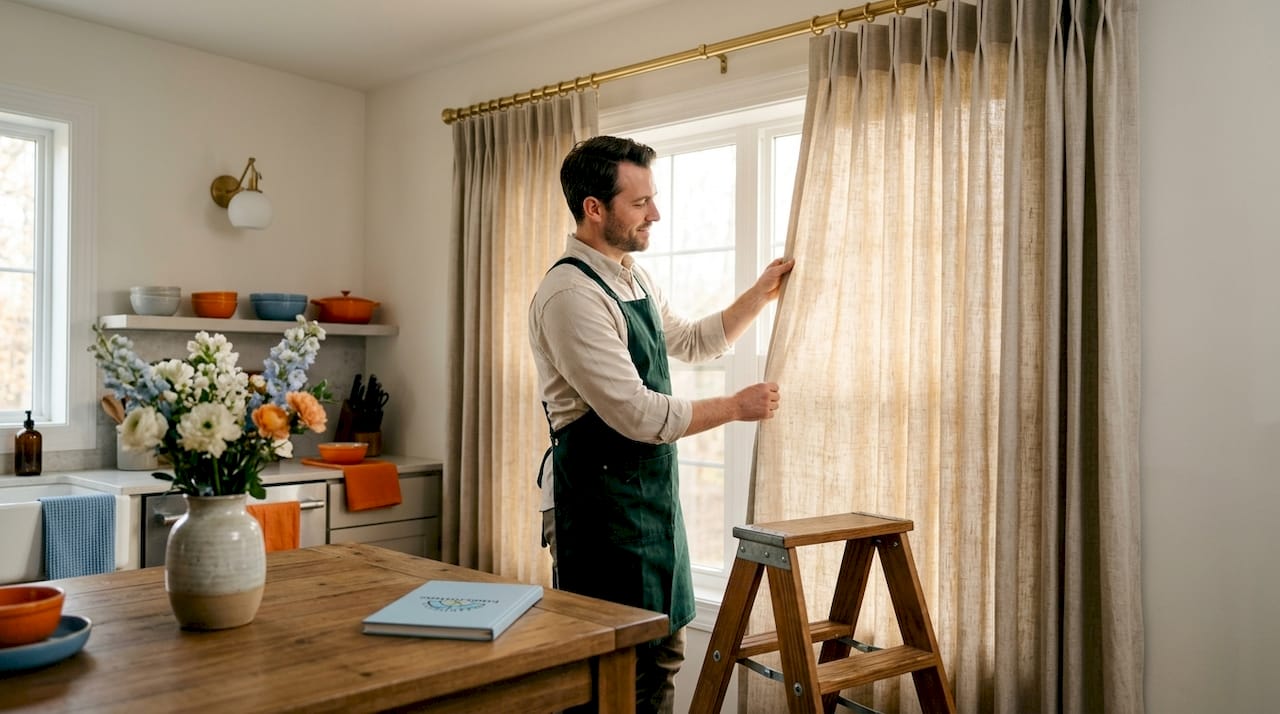
The other underappreciated factor is early collaboration. Designers who bring a fabricator or workroom into the conversation during the selection phase, rather than after the fabric arrives, consistently report fewer surprises. Behavior questions — how a fabric takes a French pleat, whether a jacquard pattern aligns cleanly at seams — are far easier to answer before you have committed to 40 yards.
Fabric has character beyond its fiber content. Understanding that character, through samples, lighting tests, and honest assessment of room use, is what separates a well-appointed interior from an expensive one.
Explore premium decorative fabrics and custom drapery services
Ready to turn your fabric selection into beautiful, custom window treatments and upholstery?
Beautiful Windows Elgin offers a curated selection of luxury decorative fabrics including jacquard satin, embroidered textiles, and performance upholstery fabrics, sold by the yard with nationwide shipping. Whether you are an interior designer sourcing materials for a client project or a homeowner planning custom drapery, the team provides personalized guidance to match fabric to your specific aesthetic and functional requirements. From pattern matching to pleat planning, every aspect of the drapery process is supported. Explore the full fabric store or shop a proven option like the Sandwell residential upholstery fabric, engineered for lasting performance in residential seating.
Frequently asked questions
What fabric is best for custom drapery in upscale homes?
Velvet and wool sateen are consistently popular for their luxurious appearance and structured drape, while linen suits relaxed, casual elegance; the right choice depends on room use, light exposure, and desired formality.
How much does custom drapery typically cost?
Custom drapery costs often reach $10,000 at the lower end for a full room, with fabric accounting for roughly $7,000 at approximately $140 per yard, plus labor and trim costs on top.
Are performance fabrics suitable for high-traffic rooms?
Yes, performance fabrics are specifically engineered for stain resistance and durability, making them a reliable choice for family rooms and high-use spaces while maintaining a polished appearance.
What should I consider when selecting fabric for upholstery?
Prioritize measurable specs like abrasion double-rub ratings alongside cleaning codes and lightfastness to ensure the fabric holds up to the furniture’s expected use over time.
Recommended
- 7 Essential Curtain Fabric Types List for Homeowners – Shop Designer Fabrics by the Yard | Curtains & Drapery
- Role of Fabric in Window Treatments– Impact on Style & Function – Shop Designer Fabrics by the Yard | Curtains & Drapery
- Decorative Textiles: Transform Your Space with Style – Fabric Store in Columbia, SC | Drapery Making Services
- Top designer fabrics for custom drapery and upholstery – Fabric Store in Columbia, SC | Drapery Making Services