
What Is Upholstery Material: A Homeowner's Guide
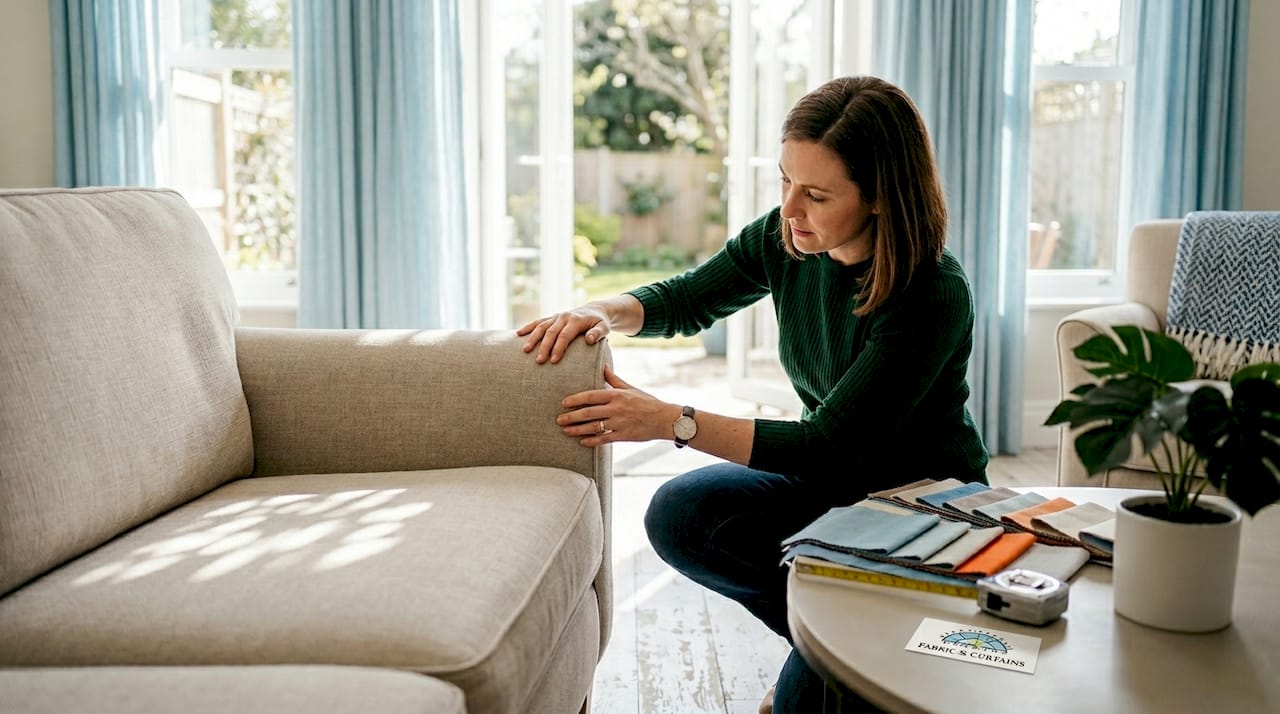
TL;DR:Upholstery encompasses the entire system of furniture components, including the frame, springs, padding, and cover fabric, not just the outer textile. Selecting the appropriate fabric requires considering the furniture’s use, durability ratings, and matching the fabric’s properties to the application’s demands. Proper structural assessment and choosing performance fabrics suitable for the environment ensure long-lasting, functional, and attractive upholstered furniture.
Upholstery material is not simply the fabric you see covering a sofa. It is the complete system of components that gives furniture its structure, comfort, and finished appearance. Many homeowners assume that choosing upholstery means picking a color or pattern they like, and that misunderstanding leads to premature wear, poor performance, and costly mistakes. This guide breaks down what upholstery material actually is, covers the most common types of upholstery fabrics, and gives you a clear framework for selecting the right material based on how your furniture will actually be used.
Table of Contents
- Key takeaways
- What upholstery material really means
- Common types of upholstery fabrics
- Durability ratings and how to choose
- Practical tips for DIY upholstery projects
- My honest take on upholstery material selection
- Find the right upholstery fabric for your home
- FAQ
Key takeaways
| Point | Details |
|---|---|
| Upholstery is more than fabric | Furniture layers include frame, springs, padding, and cover fabric — all working together. |
| Fabric type must match use | High-traffic areas and homes with pets require performance fabrics with high abrasion ratings. |
| Double rub count matters | Residential fabrics should reach 15,000 to 30,000 double rubs for everyday durability. |
| Upholstery and curtain fabrics differ | Using curtain fabric on furniture causes premature sagging and structural failure. |
| DIY fabric choice affects ease | Polyester and microfiber suit beginners; velvet and leather demand advanced handling skills. |
What upholstery material really means
When most people ask “what is upholstery material,” they picture the outermost fabric on a chair or couch. That fabric is only one layer of a much deeper construction. Upholstered furniture layers include the frame, suspension system, deck, padding, cushion core, and the fabric cover — and each layer supports the next. If one layer fails, the entire piece suffers.
The word “upholstery” historically referred to the craft of padding and covering furniture, not just the textile used. Today, the term covers both the craft and the materials involved. Understanding this distinction matters because it affects how you approach any reupholstery project. You cannot simply replace the fabric and expect lasting results if the frame is compromised or the padding has flattened.
Knowing the full construction also clarifies the difference between upholstery vs fabric as a concept. Fabric is one ingredient in upholstery. Upholstery is the whole recipe.
Here is a breakdown of the key layers found in most upholstered furniture:
- Frame: Usually hardwood or engineered wood, providing the structural skeleton of the piece
- Suspension: Springs or webbing that absorb weight and provide rebound comfort
- Deck and padding: Layers of foam, cotton batting, or polyester fiber that create the cushioned surface
- Fabric cover: The visible outer textile that defines the look and must endure all direct contact
Pro Tip: Before purchasing any upholstery fabric, sit down in the furniture piece and check for creaking or sagging. If the frame or springs feel loose, address those issues first. No fabric, regardless of quality, will compensate for structural problems underneath.
Common types of upholstery fabrics
Understanding the types of upholstery fabrics available is where most homeowners gain real confidence in their choices. The options range from natural woven textiles to high-performance synthetics, and each brings distinct trade-offs.
Natural upholstery fabrics
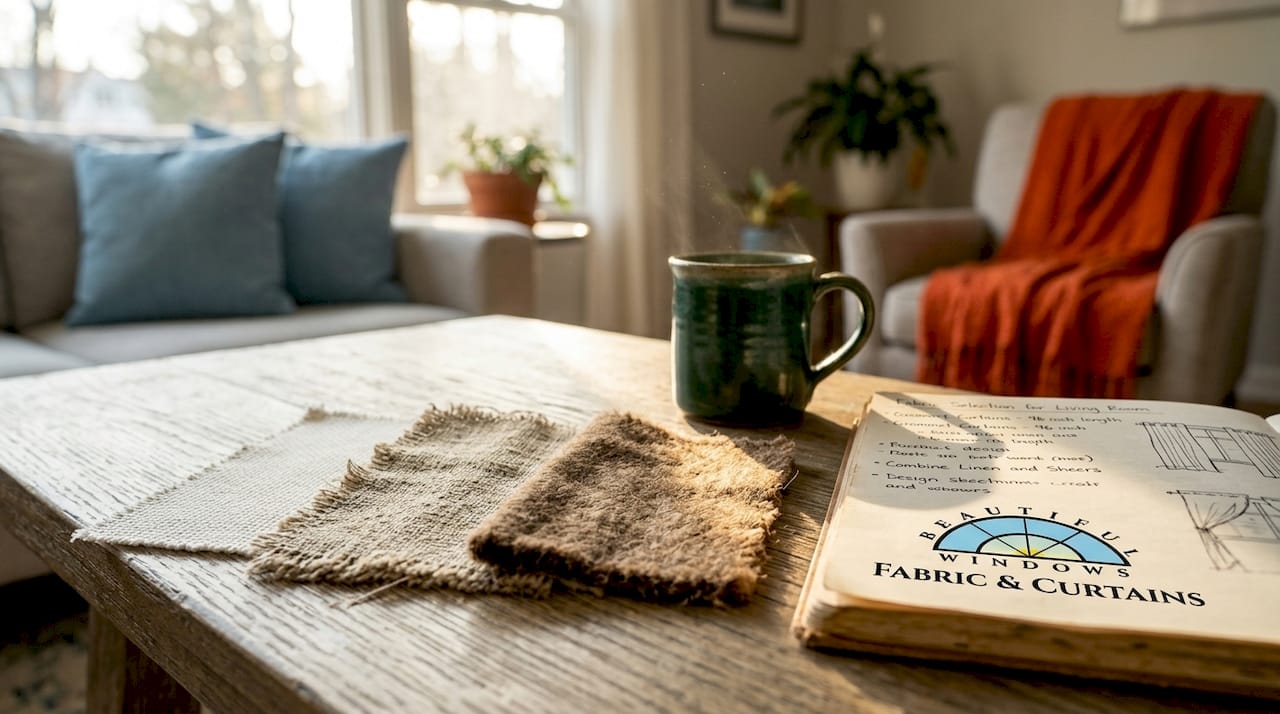
Natural fabrics like cotton, linen, wool, and hemp have been used in upholstery for centuries. Cotton is soft, breathable, and easy to dye, making it a versatile choice for decorative pieces in low-traffic rooms. Linen offers a refined, textured appearance and is naturally resistant to pilling, though it wrinkles and stains more easily than synthetics. Wool is exceptionally durable and naturally flame-resistant, which is why it appears frequently in higher-end residential and commercial seating. Hemp is gaining recognition for its strength and environmental credentials, though it remains less common in retail fabric selections.
Synthetic and performance fabrics
Synthetic upholstery materials have advanced considerably. Polyester wovens and microfiber are among the most beginner-friendly options because they resist fraying and have minimal directional requirements. Performance fabrics like solution-dyed acrylic and olefin are the recommended choice for homes with pets or children, offering stain resistance that natural fibers simply cannot match.
Olefin is particularly practical for high-traffic settings. It resists moisture, mildew, and heavy abrasion at a lower price point than acrylic. Solution-dyed acrylic, on the other hand, is the preferred option when UV exposure is a concern. Solution-dyed acrylic maintains color integrity for 5 to 10 years outdoors, while standard polyester often begins fading within 12 to 24 months.
Leather and leather blends
Leather occupies its own category in the upholstery fabric guide. Genuine leather is exceptionally durable, develops character over time, and is easy to wipe clean. Bonded leather costs less but degrades faster and tends to peel within a few years. Faux leather (PU leather) sits in the middle: it mimics genuine leather’s appearance at a fraction of the cost, though it does not breathe as well and is less durable under prolonged, heavy use.
Upholstery fabric vs curtain fabric
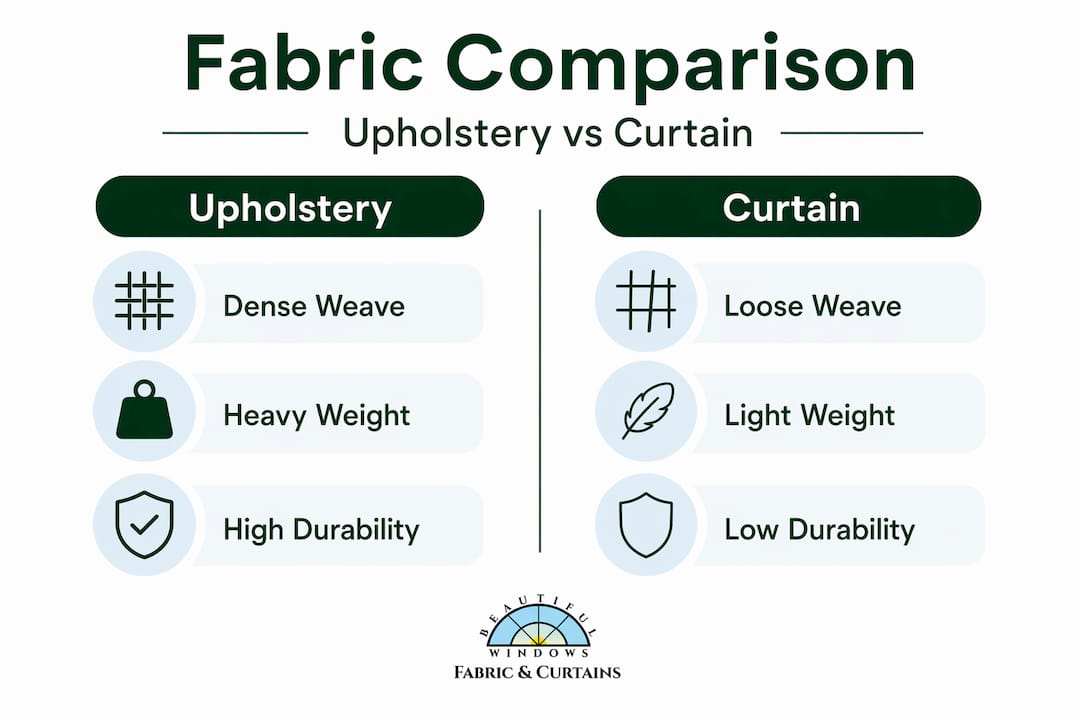
This distinction is one the average homeowner often misses. Upholstery fabric has a dense weave, heavier weight, and structural backing designed to withstand constant friction and pressure. Curtain fabric is lightweight and optimized for drape and light filtration. Using curtain fabric on furniture leads to sagging, tearing, and rapid deterioration. The reverse is also true: upholstery fabric used as curtains will look stiff and hang poorly. Always match the material to its intended application. You can explore the differences further in this curtain fabric types overview from Beautifulwindowselgin.
Pro Tip: When shopping for upholstery fabric, look for the fabric’s end-use label. Fabrics marketed specifically for upholstery will include weight, abrasion ratings, and cleaning codes — information curtain fabrics rarely provide.
Durability ratings and how to choose
Understanding double rub counts
The double rub count is the most reliable durability metric in the upholstery world. One double rub equals one back-and-forth motion across the fabric surface under a weighted arm. Residential fabrics should target 15,000 to 30,000 double rubs for everyday use. Commercial grade fabrics often exceed 50,000 to 100,000 double rubs. The higher the count, the longer the fabric holds up under repeated friction.
| Setting | Recommended double rub count | Suitable fabric types |
|---|---|---|
| Decorative or low-use | 10,000 to 15,000 | Cotton, linen, silk blends |
| Everyday residential | 15,000 to 30,000 | Polyester wovens, wool, microfiber |
| High-traffic or pets/children | 30,000 to 50,000 | Solution-dyed acrylic, olefin |
| Commercial or heavy-duty | 50,000+ | Performance synthetics, heavy wool |
Cleaning codes and what they mean
Every reputable upholstery fabric comes with a cleaning code stamped on the label or data sheet. These codes tell you what cleaning method the fabric can safely handle:
- W — Clean with water-based products only
- S — Use solvent-based cleaners only (no water)
- WS — Either water or solvent-based cleaners are safe
- X — Vacuum only; no liquid cleaning agents
Ignoring these codes is one of the fastest ways to ruin a fabric. Applying water to an S-coded fabric, for instance, can cause shrinking, water rings, or fiber damage that no amount of drying will reverse.
Sun, pets, and active households
UV exposure breaks down fiber dyes and weakens textile structure over time. For furniture placed near windows or in sunrooms, solution-dyed acrylic is the preferred choice because the color is embedded in the fiber itself rather than applied on the surface. Pet claws accelerate abrasion significantly, so tight weaves with high double rub counts are non-negotiable in homes with dogs or cats. Check out Beautifulwindowselgin’s guide to choosing upholstered fabrics for room-specific recommendations.
Practical tips for DIY upholstery projects
Choosing the right material is only half the work. How you handle that material during a DIY project determines the final result. Following a structured approach from the start saves both time and money.
- Assess the furniture frame first. Before purchasing a single yard of fabric, inspect all joints, springs, and padding. Structural failures cause upholstery problems regardless of how good the fabric is. Tighten loose screws, re-tie broken springs, and replace compressed foam before covering anything.
- Buy 10 to 15 percent more fabric than you estimate. Pattern repeats, cutting errors, and nap direction requirements all consume extra material. Running short mid-project means hunting for a fabric match that may no longer be in stock.
- Choose beginner-friendly fabrics when learning. Polyester wovens and microfiber resist fraying and require less precise cutting than velvet or leather. Leather cannot be pinned without leaving permanent holes, and velvet demands consistent nap alignment throughout the entire piece. Start with forgiving fabrics and progress to advanced materials as your skills develop.
- Follow the fabric’s cleaning code from day one. Once the fabric is installed, care for it according to the manufacturer’s code. Consistent care extends the life of the upholstery significantly. If your sofa fabric needs attention, Beautifulwindowselgin’s fabric sofa cleaning guide walks through the process step by step.
- Do not confuse pilling with fabric failure. Pilling is a normal characteristic caused by loose fibers bunching together from friction. It appears commonly on new textiles and does not indicate the fabric is wearing out. A fabric shaver removes pills quickly and restores appearance.
Pro Tip: When cutting directional fabrics like velvet or fabric with a printed motif, mark the top of every cut piece immediately after cutting. Mixing up nap direction or pattern orientation mid-project is a common and costly mistake that is entirely preventable.
My honest take on upholstery material selection
I have watched homeowners spend considerable effort selecting a fabric based purely on color or texture, only to be frustrated within a year when the piece looks worn, pills excessively, or stains permanently. The fabric was beautiful. The choice of fabric was wrong for the job.
What I have found is that the most satisfying upholstery outcomes come from people who start with function and then find beauty within that constraint. Ask yourself how the furniture is actually used before you think about aesthetics. A reading chair used by one adult is very different from a family sofa that hosts kids, pets, and daily life.
I also think the upholstery world undersells the importance of the underlying construction. Spending $30 per yard on premium fabric and placing it over a compromised frame is a temporary fix at best. Investing in solid preparation and a well-matched fabric at a moderate price point will always outlast the reverse approach.
The best results I have seen come from homeowners who treat upholstery as a system rather than a surface decision. Match the material to the use. Prepare the structure before covering it. And choose a fabric that can handle real life, not just the showroom.
— Marrion
Find the right upholstery fabric for your home
Ready to put this knowledge to work on your next project? Beautifulwindowselgin carries the Sandwell Residential Seating Fabric, a durable upholstery textile designed for everyday residential use. It combines a refined woven structure with the abrasion resistance needed for seating that gets used regularly, making it a reliable option for both full reupholstery and accent piece updates.
Beyond individual fabrics, Beautifulwindowselgin offers personalized design consultations and custom drapery services to help you coordinate your upholstery selections with your broader home decor. With nationwide shipping and a curated selection of premium textiles sold by the yard, finding the material that fits your project is straightforward. Browse the full fabric collection and request samples to see and feel the quality before committing to your order.
FAQ
What is upholstery material made of?
Upholstery material includes both the structural layers of furniture (frame, springs, padding) and the outer fabric cover. The fabric itself can be made from natural fibers like cotton and wool, synthetic fibers like polyester and acrylic, or leather.
What is the most durable upholstery fabric?
Solution-dyed acrylic and olefin are among the most durable upholstery fabrics for residential use, particularly in homes with pets or children. Both offer high abrasion resistance and stain resistance compared to natural fiber options.
How do I know if a fabric is suitable for upholstery?
Look for the double rub count and cleaning code on the fabric’s data sheet. Residential upholstery fabrics should have at least 15,000 double rubs, and the cleaning code should match the care routine you can realistically maintain.
Can I use curtain fabric for upholstery?
No. Curtain fabric is too lightweight for furniture use and will sag, tear, and wear out quickly. Upholstery fabric has a denser weave, greater weight, and structural backing that curtain fabric lacks.
What upholstery fabrics are best for beginners?
Polyester wovens and microfiber are the most beginner-friendly upholstery fabrics. They resist fraying, require less precise cutting, and have minimal directional requirements compared to velvet or leather.
Recommended
- Defining upholstery materials: A practical guide for homes and designe – Fabric Store in Columbia, SC | Drapery Making Services
- Upholstery materials: durability, compliance, and style – Fabric Store in Columbia, SC | Drapery Making Services
- How to Choose Upholstered Fabrics for Your Home – Shop Designer Fabrics by the Yard | Curtains & Drapery