
Linen curtain sewing guide for personalized decor 2026
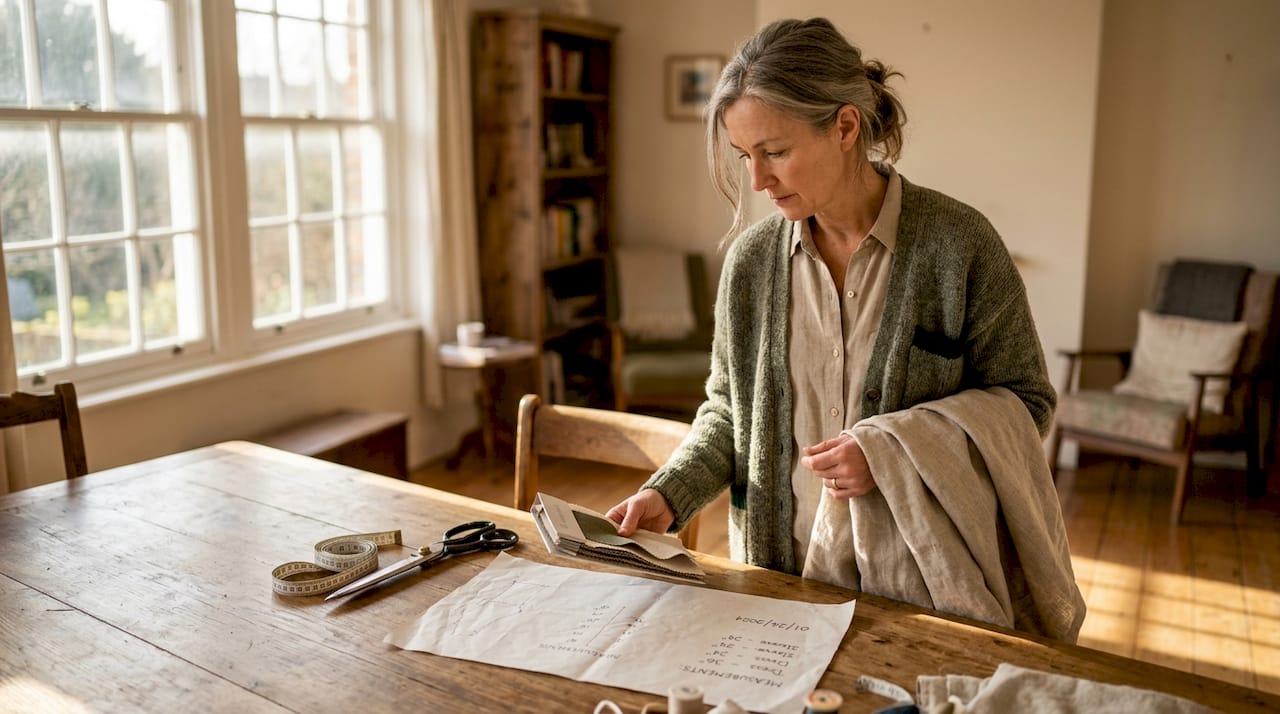
Finding the perfect curtains for your home often feels like settling for something almost right. Mass-produced options lack the personal touch and quality craftsmanship you want for your windows. Sewing your own linen curtains solves this problem beautifully, giving you complete control over fabric choice, length, and style. This comprehensive guide walks you through every step, from gathering materials to adding professional finishing touches, so you can create stunning window treatments that reflect your unique taste and elevate your home decor with confidence.
Table of Contents
- Materials And Tools You Need To Sew Linen Curtains
- Step-By-Step Sewing Instructions For Linen Curtains
- Common Challenges And How To Avoid Mistakes In Linen Curtain Sewing
- Finishing Touches And Styling Ideas For Your Linen Curtains
- Explore Quality Fabrics And Sewing Supplies At Beautiful Windows Elgin
Key takeaways
| Point | Details |
|---|---|
| Proper planning matters | Measuring accurately and selecting quality linen fabric prevents costly mistakes and ensures beautiful results. |
| Step-by-step success | Following a clear sewing sequence from cutting to hemming makes the process manageable for any skill level. |
| Avoid common pitfalls | Pre-washing linen and careful pressing eliminate shrinkage and puckering issues that ruin curtains. |
| Finishing elevates quality | Professional hemming and styling choices transform homemade curtains into designer-worthy window treatments. |
| Linen offers timeless appeal | Natural texture and breathability make linen ideal for creating curtains that enhance any decor style. |
Materials and tools you need to sew linen curtains
Before you start cutting fabric, assembling the right materials and tools sets your project up for success. Quality supplies make sewing easier and ensure your finished curtains look professionally made.
Start with your fabric selection. Linen is a popular fabric choice for curtains due to its breathability and texture, making it perfect for creating elegant window treatments. Choose light to medium weight linen that drapes nicely without being too stiff. Calculate yardage by measuring your window width and multiplying by 1.5 to 2 for proper fullness, then add extra length for hems and headers.
Essential sewing tools include fabric scissors or a rotary cutter for clean edges, a measuring tape for accurate dimensions, and straight pins to hold fabric layers together. Your sewing machine should handle medium-weight fabrics comfortably, and you’ll need matching thread in a color that complements your linen. An iron and ironing board are absolutely critical for pressing seams and creating crisp hems.
Consider these optional but helpful accessories:
- Curtain rings or clips for hanging flexibility
- Decorative curtain rods that complement your decor style
- Lining fabric if you want extra privacy or light blocking
- Tailor’s chalk or fabric markers for marking measurements
- A seam ripper for correcting mistakes without damaging fabric
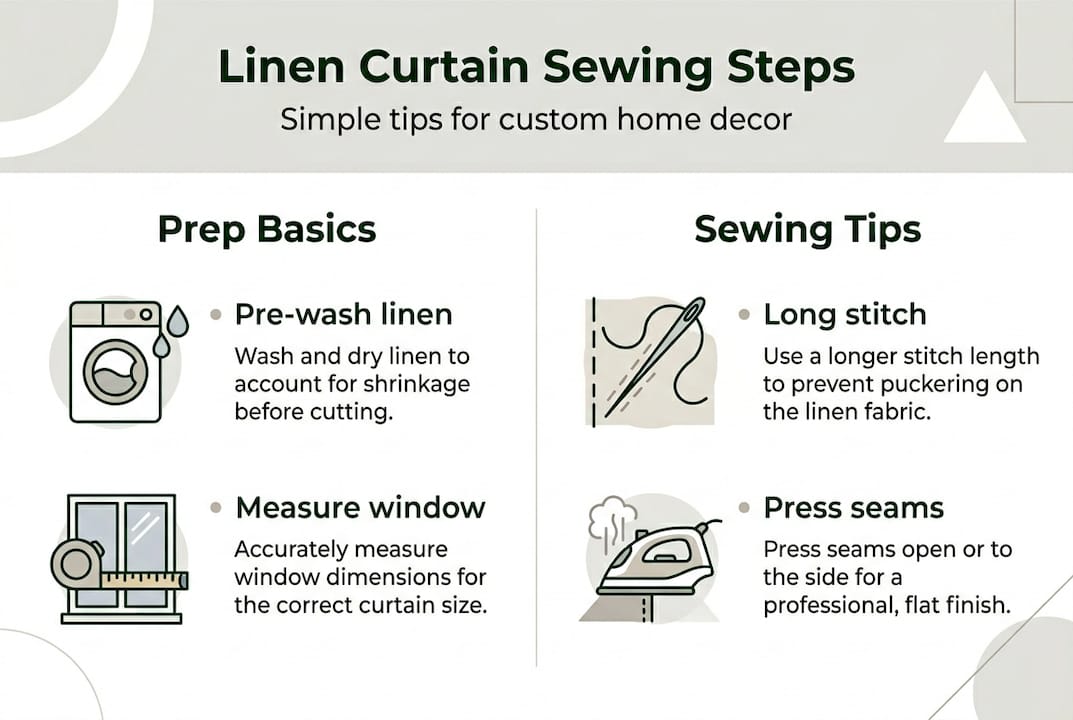
Understanding fabric behavior helps prevent problems. Linen naturally shrinks when washed, so always pre-wash your fabric before cutting. This removes sizing and allows the fabric to relax to its final dimensions. The edges tend to fray easily, so handle carefully and finish raw edges promptly.
Here’s a quick reference for estimating fabric needs:
| Window Width | Fabric Width Needed | Length Per Panel |
|---|---|---|
| 36 inches | 54-72 inches | Window height + 12 inches |
| 48 inches | 72-96 inches | Window height + 12 inches |
| 60 inches | 90-120 inches | Window height + 12 inches |
Pro Tip: Buy an extra half yard of fabric beyond your calculations. This safety margin covers cutting mistakes, pattern matching, or future repairs without requiring you to find matching fabric later.
Gathering everything before you begin keeps your workflow smooth. Lay out all materials in your sewing space so you can focus on creating beautiful curtains instead of hunting for supplies mid-project.
Step-by-step sewing instructions for linen curtains
With your materials ready, let’s walk through the complete sewing process to transform linen fabric into gorgeous custom curtains.
- Measure your windows carefully, recording both width and length. For length, measure from where your rod sits to your desired endpoint, whether that’s the windowsill, floor, or somewhere in between. Add 8 inches to the length for hem allowances and 4 inches to the width for side hems.
- Cut your pre-washed linen fabric according to your measurements. Use a rotary cutter and quilting ruler for perfectly straight edges, or mark cutting lines with tailor’s chalk and cut carefully with fabric scissors. If making multiple panels, ensure all pieces match exactly in size.
- Finish the side edges first by folding each long edge over 1 inch, pressing with your iron, then folding another 1 inch and pressing again. This double-fold hem conceals raw edges beautifully. Pin in place and sew close to the inner folded edge using a straight stitch.
- Create the bottom hem using the same double-fold technique but with deeper folds. Fold up 2 inches, press, fold another 2 inches, press again, pin, and stitch. This weighted hem helps curtains hang properly and looks professionally finished.
- For the top header, decide between a rod pocket or header tape. For a rod pocket, fold the top edge down 3 inches, press, fold another 3 inches to create the pocket, press, pin, and sew along the bottom fold. Leave the top edge open for the rod to slide through. If using header tape, pin it to the wrong side of the fabric along the top edge and sew according to the tape manufacturer’s instructions.
- Press all seams thoroughly using steam and firm pressure. This step makes the difference between homemade-looking and professionally finished curtains. Pay special attention to corners and hem edges.
- Hang your curtains and check the length. If adjustments are needed, it’s easier to fix hem depth now than after living with curtains that puddle on the floor or hang too short.
Pro Tip: When sewing linen, use a slightly longer stitch length than you would for cotton. This prevents puckering and allows the natural texture of the fabric to shine through without creating tension in the seams.
Accurate measurements and quality assembly are key to custom curtain success, so take your time with each step. Rushing through measuring or skipping the pressing stages compromises your final results. The beauty of DIY curtains lies in the care and attention you invest in creating something perfectly suited to your space.
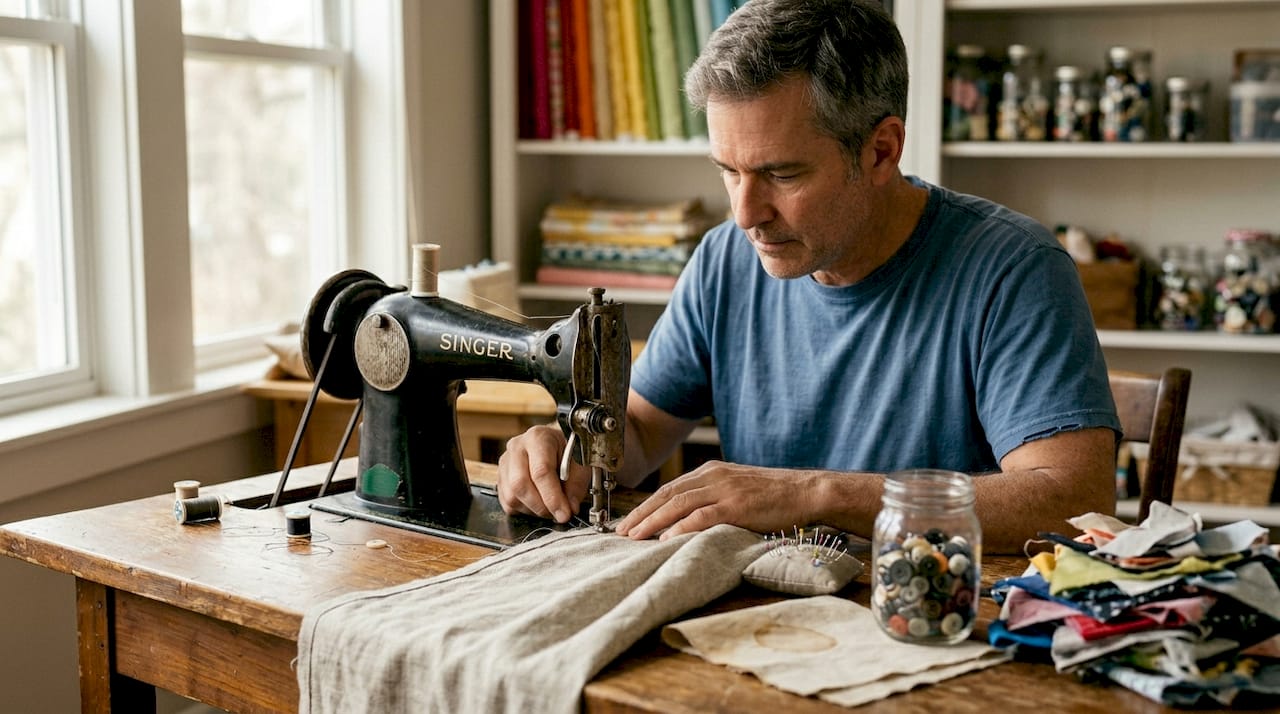
Common challenges and how to avoid mistakes in linen curtain sewing
Even experienced sewers encounter challenges when working with linen. Understanding potential problems before they happen saves time, fabric, and frustration.
Measurement errors top the list of common mistakes. Many DIY sewing projects fail due to measurement errors or ignoring fabric behavior, leading to curtains that don’t fit properly or hang awkwardly. Always measure twice and cut once. Write down your measurements and double-check them against your windows before cutting expensive fabric.
Linen shrinkage catches many beginners off guard. Skipping the pre-wash step means your beautifully sewn curtains will shrink the first time you launder them, potentially becoming too short or narrow. Wash your fabric in warm water and dry it completely before cutting to eliminate this risk entirely.
Here are critical mistakes to avoid:
- Skipping the pressing step between sewing stages
- Using dull needles that snag and pull linen fibers
- Sewing too fast, which causes uneven stitches and puckering
- Forgetting to finish raw edges, leading to excessive fraying
- Choosing thread that doesn’t match your fabric weight
Puckered seams frustrate even patient sewers. This happens when you pull fabric through the machine or use tension settings that are too tight for linen’s natural texture. Let the machine feed the fabric naturally and test your tension on scrap pieces first.
Uneven hems usually result from inconsistent folding or measuring. Use a hem gauge or ruler to mark your fold line all the way across the fabric before pressing. This ensures uniform depth throughout the entire hem.
Pre-washing linen fabric is non-negotiable for curtain projects. Natural fibers shrink unpredictably, and discovering this after sewing wastes both time and money. Treat your fabric exactly as you’ll treat the finished curtains, including washing temperature and drying method, before you make a single cut.
Fabric distortion happens when you stretch linen while sewing or pressing. Linen has some give on the bias, so handle it gently and avoid pulling. When pressing, lift and set the iron down rather than sliding it across the fabric.
If you notice mistakes while sewing, stop immediately and fix them. Removing a few stitches takes minutes, but trying to hide errors or sewing over them creates visible problems that diminish your curtains’ professional appearance. A seam ripper becomes your best friend for maintaining quality standards throughout your project.
Finishing touches and styling ideas for your linen curtains
Once your curtains are sewn, perfect the look with professional finishes and style them to complement your home’s aesthetic beautifully.
Proper hemming technique makes the difference between amateur and professional results. After sewing your hems, press them thoroughly with steam and let the fabric cool completely before moving the curtains. This sets the creases and helps hems lay flat against windows. For extra crispness, use spray starch during the final pressing.
Lining options enhance both function and appearance. Blackout lining blocks light completely for bedrooms, while thermal lining adds insulation and energy efficiency. Cotton sateen lining protects linen from sun damage and creates a uniform appearance from outside your home. Attach lining by sewing it to the curtain edges before hemming, or use curtain clips for a removable option.
Linen curtains are favored in 2025-26 home decor trends for their texture and natural appeal, making them a smart investment for contemporary homes. Their organic texture pairs beautifully with minimalist, farmhouse, coastal, and transitional design styles.
Compare these popular header styles:
| Header Style | Best For | Visual Effect |
|---|---|---|
| Rod pocket | Casual, gathered look | Soft, traditional draping |
| Grommet | Modern, clean lines | Structured, contemporary folds |
| Tab top | Relaxed, cottage feel | Informal, breezy appearance |
| Pinch pleat | Formal elegance | Tailored, sophisticated drape |
Styling ideas to maximize your linen curtains’ impact:
- Layer sheers underneath for privacy without sacrificing natural light
- Choose decorative rods in finishes that complement your hardware
- Hang curtains higher than the window frame to create height illusion
- Extend rods beyond window width for fuller, more luxurious appearance
- Mix linen curtains with wooden blinds for texture contrast
Color selection matters significantly. Natural linen tones like oatmeal, flax, and ivory work universally and age gracefully. Dyed linen in soft grays, blues, or greens adds subtle color while maintaining linen’s organic feel. Avoid overly saturated colors that fight against linen’s natural character.
Pro Tip: Steam your linen curtains while hanging to remove wrinkles and refresh their appearance. Hold a garment steamer a few inches from the fabric and work from top to bottom. This gentle method maintains linen’s natural texture better than repeated ironing and takes just minutes to restore that crisp, just-made look.
Accessorize thoughtfully with tiebacks or holdbacks that allow you to control light and create visual interest. Rope tiebacks suit coastal themes, while metal holdbacks work in modern spaces. Simple fabric ties made from matching linen create a cohesive, custom appearance.
Explore quality fabrics and sewing supplies at Beautiful Windows Elgin
Now that you know how to sew and style linen curtains, sourcing premium materials ensures your project succeeds beautifully.
Beautiful Windows Elgin offers an extensive selection of designer linen fabrics perfect for curtain projects. You’ll find light, medium, and heavy weight options in natural tones and contemporary colors, all available by the yard to match your exact needs. The quality makes a noticeable difference in how your finished curtains drape and wear over time.

Beyond fabric, you’ll discover everything needed to complete your window treatment project. From shop designer fabrics by the yard to specialized materials like silver waterproof canvas fabric for outdoor furniture 60 wide, the selection supports diverse creative visions. Expert customer service helps you choose the right materials and calculate yardage accurately, eliminating guesswork from your planning process.
FAQ
What type of linen is best for sewing curtains?
Light to medium weight linen with natural texture is ideal for curtains because it hangs nicely and allows beautiful light diffusion. Washed or pre-shrunk linen reduces post-sewing shrinkage and gives you more predictable results. Look for fabric labeled specifically for home decor rather than garment-weight linen, which may be too lightweight for window treatments.
How do I prevent linen curtains from wrinkling easily?
Use a linen blend fabric or add lining for more wrinkle resistance without sacrificing the natural aesthetic. Proper steaming and gentle ironing after hanging helps keep curtains smooth between washings. Hanging curtains while slightly damp from washing also reduces wrinkles naturally as they dry.
Can I line my linen curtains, and why should I?
Lining protects linen fabric from sun damage and adds insulation that improves energy efficiency. It also enhances curtain drape and blocks more light if desired for bedrooms or media rooms. Attach lining during construction for a permanent solution, or use clip-on liners for seasonal flexibility.
How much fabric do I need for a standard window?
Measure your window width and multiply by 1.5 to 2 for proper fullness, then add 8 inches to the length for hems. A standard 36-inch wide window typically needs 54 to 72 inches of fabric width per panel. Always round up and buy extra to account for pattern matching or mistakes during cutting and sewing.
What needle and thread should I use for sewing linen?
Use a universal or sharp needle in size 80/12 or 90/14 for medium-weight linen. Choose high-quality cotton or polyester thread that matches your fabric color and weight. Test your needle and thread combination on fabric scraps before starting your project to ensure smooth stitching without puckering or skipped stitches.
Recommended
- Linen Curtain Panels— Navy Blue Color—Pinch Pleated—4" Inches Header—4 – Shop Designer Fabrics by the Yard | Curtains & Drapery
- Curtain selection guide 2026: choose fabrics confidently – Fabric Store in Columbia, SC | Drapery Making Services
- 7 Essential Curtain Fabric Types List for Homeowners – Shop Designer Fabrics by the Yard | Curtains & Drapery
- Why choose custom curtains for your Southeastern home – Designer Fabrics by the Yard | Drapery Making Services