
What are drapery pleats? A 2026 guide for stylish window treatments
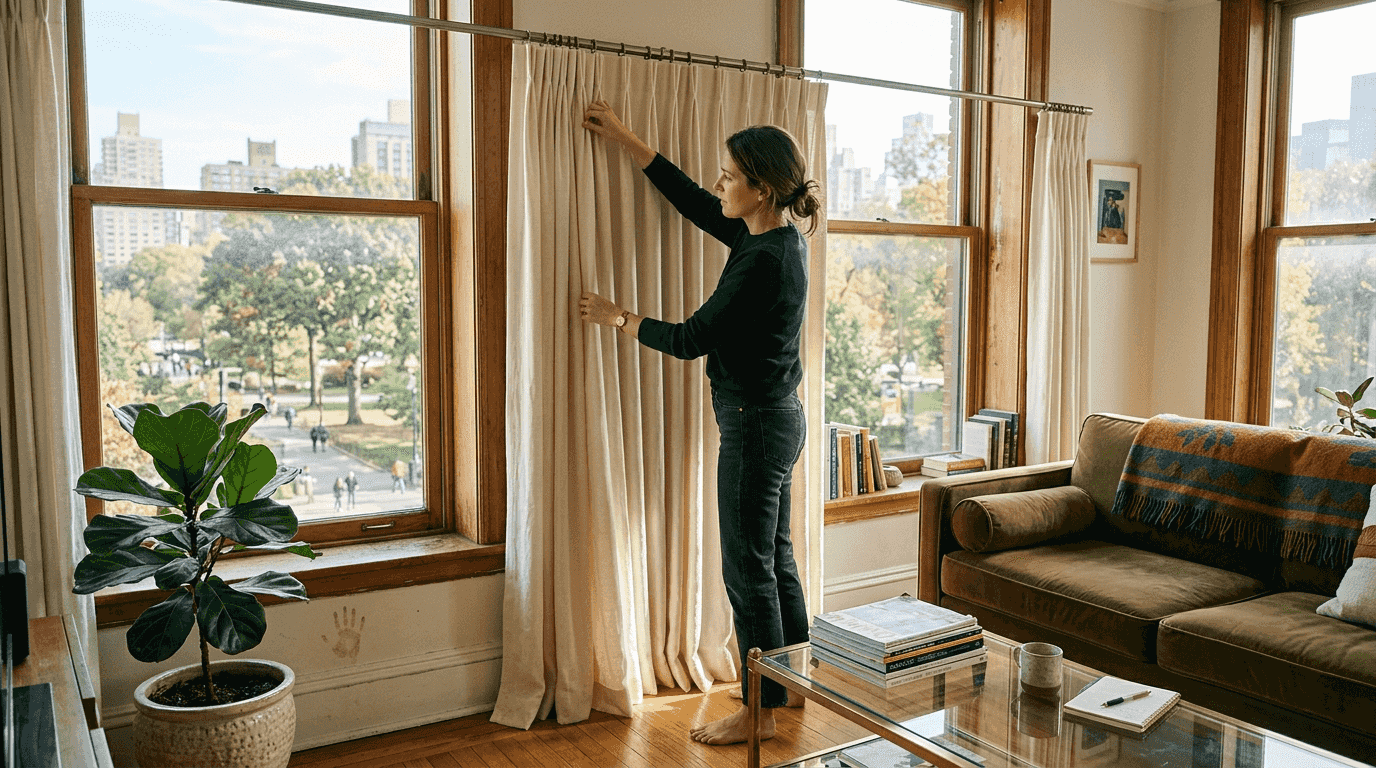
You’ve probably heard that drapery pleats are outdated, relics of stuffy formal rooms with heavy curtains. That’s a myth worth busting. Modern pleated drapes deliver structure, fullness, and elegance that flat panels simply can’t match. Whether you’re designing a cozy living room or a grand dining space, understanding pleat styles helps you choose window treatments that elevate your decor. This guide walks you through the types of pleats, their benefits, and how to select the right style for your home.
Table of Contents
- Understanding What Drapery Pleats Are And Their Purpose
- Popular Types Of Drapery Pleats And How To Choose Them
- Advantages Of Pleated Drapes Versus Flat Panels And Maintenance Tips
- How To Measure And Decide Fullness For Pleated Curtains
- Enhance Your Home With Custom Pleated Window Treatments
- Frequently Asked Questions
Key takeaways
| Point | Details |
|---|---|
| Pleat styles vary widely | From pinch to goblet pleats, each type creates distinct visual effects and suits different decor themes. |
| Pleats add luxury and structure | Folded fabric at the curtain top delivers fullness and elegance but requires more material and labor. |
| Fullness ratio matters | A 2.5x width multiplier ensures proper drape and pleat definition for formal window treatments. |
| Fabric choice impacts performance | Medium to heavyweight fabrics hold pleats best, while lightweight materials may sag or lose shape. |
Understanding what drapery pleats are and their purpose
Drapery pleats are folds of fabric that create fullness, structure, and aesthetic appeal at the top of curtains. They gather fabric into precise patterns, transforming flat panels into dimensional window treatments. Pleats serve both functional and decorative roles, controlling how fabric hangs and distributing weight evenly across the rod. This structured approach prevents sagging and maintains a polished look over time.
Pleats shine in traditional and luxury interiors where formality and opulence matter. They add depth and texture that flat panels lack, making windows feel like intentional design features rather than afterthoughts. The folds catch light differently throughout the day, creating visual interest that changes with natural lighting. This dynamic quality makes pleated drapes particularly effective in rooms where you want to make a statement.
Fabric weight plays a crucial role in pleat effectiveness. Heavier materials like velvet, brocade, or lined cotton hold their shape beautifully, maintaining crisp folds that look tailored and deliberate. Lightweight fabrics struggle to support structured pleats, often appearing limp or losing definition after hanging. When choosing drapery fabric, prioritize medium to heavyweight options that can sustain the pleat structure you envision.
Pro Tip: Test fabric samples by folding them into your desired pleat style before purchasing yardage. This simple step reveals whether the material has enough body to hold the shape you want.
The beauty of pleated drapes extends beyond aesthetics. They provide superior light control compared to flat panels because the folds create natural pockets that block light more effectively. This makes them ideal for bedrooms or media rooms where darkness matters. Additionally, the extra fabric used in pleating offers better insulation, helping regulate room temperature and reduce energy costs. Understanding curtain fabric types helps you select materials that maximize these functional benefits while achieving your style goals.
Popular types of drapery pleats and how to choose them
Drapery pleats come in numerous styles, each with distinct characteristics that suit different design preferences and functional needs. Common types include pinch pleat, box pleat, goblet pleat, pencil pleat, ripple fold, knife pleat, and inverted pleat, offering options from ultra-formal to casually elegant. Pinch pleats, also called French pleats, feature two to five fabric fingers gathered and pinched together at the top, creating a tailored look that works beautifully in traditional spaces. Box pleats form flat, squared folds that project a clean, architectural vibe suitable for modern or transitional rooms.
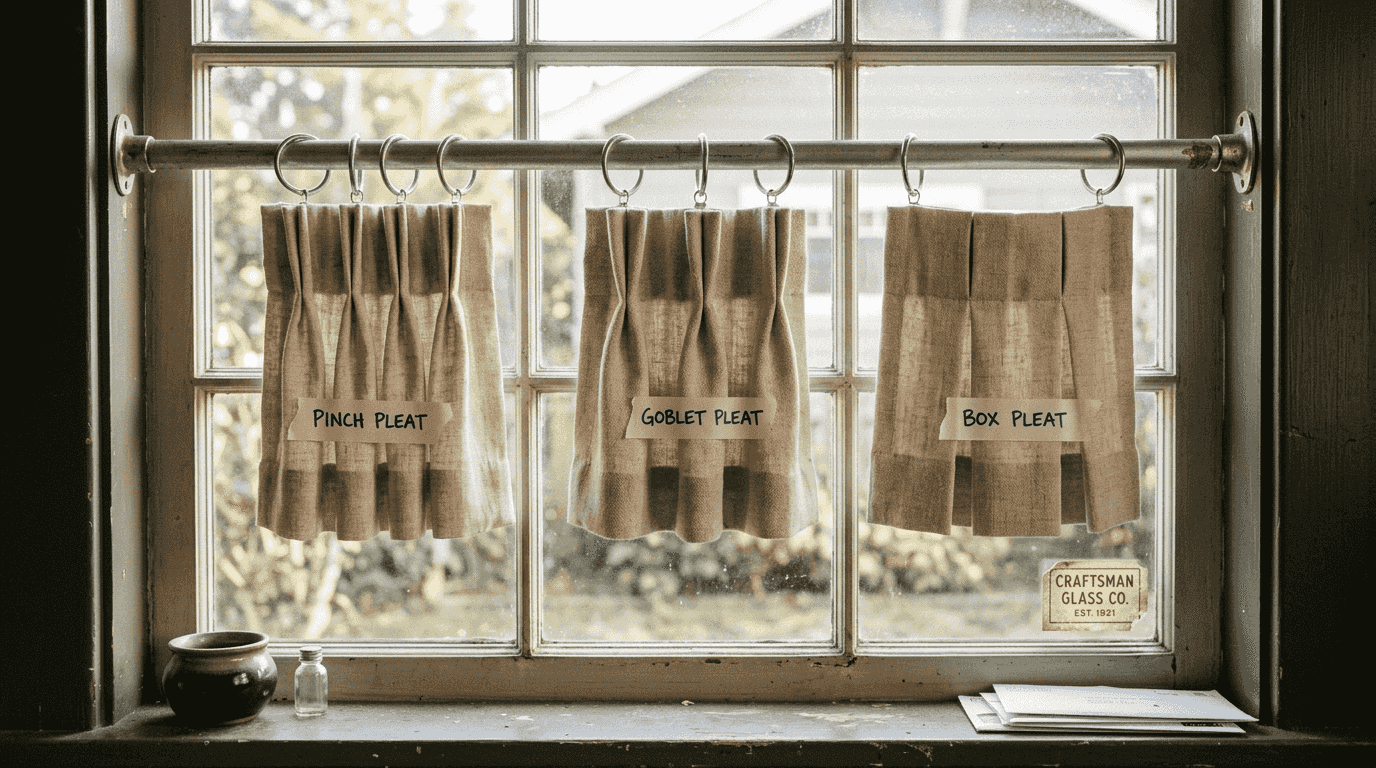
Goblet pleats resemble wine glasses, with rounded tops that add a luxurious, dramatic flair perfect for dining rooms or formal living areas. Pencil pleats create tight, narrow folds that run the entire curtain width, offering a softer, more gathered appearance ideal for cottage or romantic decor. Ripple fold pleats use a track system to create uniform, gentle waves that feel contemporary and minimalist. Knife pleats fold in one direction like a pleated skirt, delivering a crisp, uniform look that suits both modern and classic interiors. Inverted pleats fold inward, creating a subtle, understated elegance that works well in professional or sophisticated settings.
| Pleat Style | Appearance | Formality Level | Ideal Decor |
|---|---|---|---|
| Pinch Pleat | Gathered fingers at top | High | Traditional, formal |
| Box Pleat | Flat squared folds | Medium | Modern, transitional |
| Goblet Pleat | Rounded cup shape | Very High | Luxury, dramatic |
| Pencil Pleat | Tight narrow gathers | Low to Medium | Cottage, romantic |
| Ripple Fold | Uniform gentle waves | Low | Contemporary, minimal |
| Knife Pleat | Directional crisp folds | Medium to High | Classic, modern |
| Inverted Pleat | Inward folding | Medium | Sophisticated, subtle |
Matching pleat style to room ambiance requires considering both visual impact and functional needs. Formal spaces benefit from goblet or pinch pleats that command attention and convey elegance. Casual areas like family rooms or bedrooms pair well with pencil or ripple fold styles that feel relaxed yet polished. Consider window size too. Large windows handle dramatic pleats like goblets or deep box pleats without overwhelming the space, while smaller windows look better with simpler styles like knife or pencil pleats that don’t compete with room proportions.
Pro Tip: Order fabric swatches and create small pleat samples at home to see how different styles look with your lighting and wall colors before committing to full window treatments.
Staying current with window treatment trends helps you select pleats that feel fresh rather than dated. Modern interpretations of classic pleats often use unexpected fabrics or colors to update traditional styles. Mixing pleat types within one room can also create visual interest, such as using pinch pleats on main windows and simpler pencil pleats on smaller side windows.
Advantages of pleated drapes versus flat panels and maintenance tips
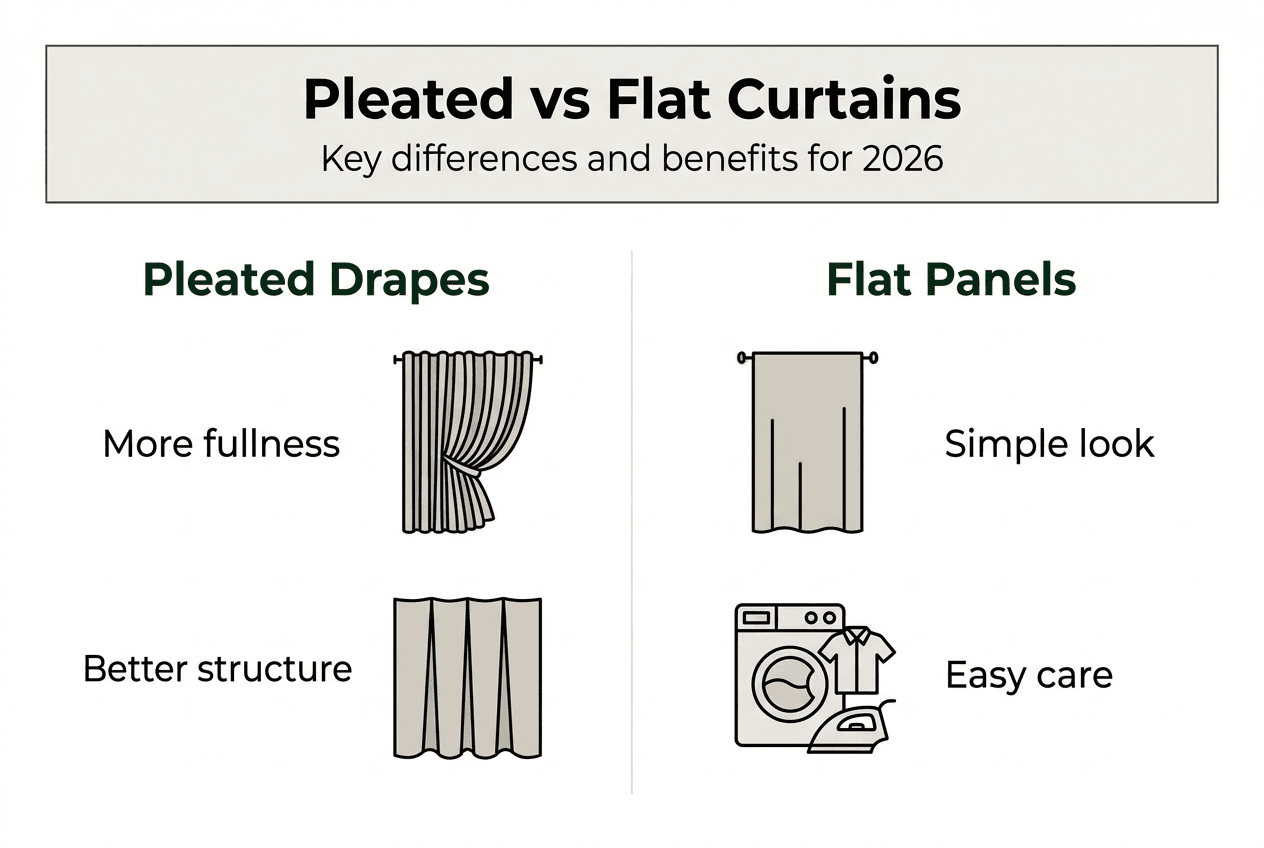
Pleats add luxury and fullness but come with higher costs and specific care requirements compared to flat panels. The structured folds create a tailored, high-end appearance that signals quality and attention to detail. This visual richness makes rooms feel more finished and intentionally designed. Pleated drapes also provide better light blocking and insulation due to the extra fabric layers created by folds, making them practical choices for bedrooms or rooms with temperature control needs.
However, pleated styles require more fabric than flat panels, typically 2.5 times the window width compared to 1.5 times for simple panels. This increases material costs significantly. Labor costs also run higher because creating and maintaining even pleats demands skilled craftsmanship. Pleated drapes need more stack-back space when opened, the area where curtains bunch when pulled to the sides. This can be problematic on narrow walls or windows where you want maximum glass exposure when curtains are open.
Poorly chosen or outdated pleat styles can make spaces feel stuffy or old-fashioned. Overly elaborate pleats in casual spaces create visual disconnect, while too-simple pleats in formal rooms fall flat. Flat panels and ripple fold styles offer modern alternatives that work well in contemporary or minimalist settings where structured pleats might feel too traditional. These simpler options cost less, require less maintenance, and suit spaces where you want window treatments to recede into the background rather than command attention.
Maintaining pleated drapes requires regular attention to preserve their appearance:
- Steam pleats periodically to refresh folds and remove wrinkles without washing
- Vacuum gently using an upholstery attachment to remove dust from pleat crevices
- Check pleat spacing monthly and adjust if fabric shifts or sags
- Rotate panels if sun exposure causes uneven fading on one side
- Professional cleaning every 12 to 18 months maintains fabric integrity and pleat structure
Pro Tip: Choose fabrics with natural body and appropriate weight for your pleat style, and ensure proper fullness ratios to prevent sagging that makes pleats look tired and unkempt.
Keeping up with pleated drapes trends helps you maintain a current look. Modern pleated styles often incorporate cleaner lines and less fussy details than traditional versions, bridging the gap between structured elegance and contemporary simplicity.
How to measure and decide fullness for pleated curtains
Proper measurement and fullness calculations ensure pleated curtains hang beautifully and maintain their intended appearance. Measuring window width and multiplying by 2.5 creates the fullness needed for formal pleated drapes, with even spacing preventing uneven hang. Follow these steps for accurate measurements:
- Measure the window width at three points: top, middle, and bottom, using the widest measurement
- Add 4 to 6 inches on each side for proper coverage and light blocking
- Multiply the total width by 2.5 for pleated drapes or 2.0 for less formal styles
- Measure height from rod to desired length, adding 6 to 8 inches for hems and headers
- Calculate total fabric needed by multiplying adjusted width by height, then adding 15% for pattern matching and waste
The 2.5x fullness ratio is standard for formal pleated treatments because it provides enough fabric to create substantial, well-defined folds without excessive bulk. Less fullness makes pleats look skimpy and poorly structured, while too much fullness creates overwhelming volume that feels heavy and dated. This ratio works well for most pleat styles, though some like pencil pleats may use up to 3x fullness for a more gathered look.
Pleat spacing significantly impacts the final appearance. Even distribution across the curtain width creates a polished, professional look, while irregular spacing appears sloppy and amateurish. Most pleated drapes place pleats every 4 to 6 inches, with the exact spacing depending on pleat style and fabric weight. Heavier fabrics need slightly wider spacing to avoid excessive bulk, while lighter materials can handle closer pleat placement.
| Window Width | Fabric Width Needed (2.5x) | Approximate Pleat Count (5-inch spacing) |
|---|---|---|
| 36 inches | 90 inches | 18 pleats |
| 48 inches | 120 inches | 24 pleats |
| 60 inches | 150 inches | 30 pleats |
| 72 inches | 180 inches | 36 pleats |
| 96 inches | 240 inches | 48 pleats |
Pro Tip: Create a small sample panel with your chosen fabric and pleat style, testing both fullness ratio and spacing before cutting fabric for full-length curtains to ensure the look matches your vision.
Understanding drapery fabric selection helps you choose materials that work with your measurements and pleat calculations. Some fabrics require more or less fullness depending on their drape characteristics, so factor in material properties when finalizing your measurements.
Enhance your home with custom pleated window treatments
Ready to bring professional elegance to your windows? Beautiful Window Elgin offers an extensive selection of premium fabrics perfect for creating stunning pleated drapes that match your style and functional needs. Our designer fabric collection includes everything from structured cottons and rich velvets to elegant jacquards and embroidered textiles, all available by the yard for custom projects.

Whether you’re drawn to classic pinch pleats or modern ripple folds, our fabrics provide the weight and body needed to maintain beautiful pleat structure over time. Explore options like our silver waterproof canvas fabric for functional outdoor spaces, or browse our complete catalog of designer fabrics by the yard to find the perfect material for your pleated window treatments. Our team provides personalized guidance to help you select fabrics that suit your pleat style, room design, and practical requirements.
Frequently asked questions
How do drapery pleats affect the overall style of a room?
Pleats add formality and structure that elevates a room’s sophistication level. They create vertical lines that draw the eye upward, making ceilings appear higher and spaces feel more grand. Traditional pleats like pinch or goblet styles suit classic or formal decor, while simpler styles like knife or ripple fold pleats work in modern settings. The texture and dimension pleats provide complement other room elements like upholstered furniture, architectural details, and decorative accessories. Staying current with window treatment trends 2025 helps ensure your pleat choices feel fresh and intentional.
What fabrics work best for drapery pleats?
Medium to heavyweight fabrics hold pleat structure most effectively. Cotton blends, velvet, brocade, damask, and lined materials provide the body needed to maintain crisp folds that don’t sag or lose definition. Fabrics with natural stiffness or those treated with backing work particularly well for structured pleats like pinch or goblet styles. Very lightweight materials like sheers or thin linens struggle to support pleats, often appearing limp or losing shape quickly. When selecting pleat appropriate fabric, test samples by folding them into your desired pleat style to confirm they have adequate structure.
Are pleated curtains more expensive than flat panels?
Yes, pleated curtains typically cost 30 to 50% more than flat panels due to additional fabric requirements and specialized labor. The 2.5x fullness ratio means you need significantly more material compared to the 1.5x ratio common for flat panels. Creating even, professional pleats requires skilled craftsmanship that increases labor costs. Hardware may also cost more if you choose decorative traverse rods designed specifically for pleated treatments. Flat panels offer a more economical option that still provides privacy and light control, though they lack the structured elegance and fullness that pleats deliver. The cost comparison between pleated and flat drapes reflects both material and construction differences.
Can I create pleated curtains myself or should I hire a professional?
DIY pleated curtains are possible if you have intermediate sewing skills and patience for precise measurements. Simple styles like pencil pleats or knife pleats work well for confident home sewers, especially with pleat tape that simplifies the process. More complex styles like goblet or pinch pleats require advanced techniques and specialized tools to achieve professional results. Hiring a workroom ensures even pleat spacing, proper fullness ratios, and clean finishing that’s difficult to replicate without experience. Consider your skill level, available time, and desired quality when deciding. Professional work costs more upfront but delivers results that last longer and look more polished.
How often should pleated drapes be cleaned?
Professional cleaning every 12 to 18 months maintains fabric integrity and pleat structure for most pleated drapes. Between professional cleanings, vacuum monthly using a soft brush attachment to remove dust from pleat folds. Steam pleats every few months to refresh fabric and restore crisp lines without full washing. Avoid frequent washing, which can damage pleat structure and cause fabric shrinkage or distortion. Spot clean stains immediately using appropriate methods for your specific fabric type. High-traffic areas or homes with pets may need more frequent attention, while formal rooms with minimal use can extend cleaning intervals to two years.
Recommended
- Role of drapery fabrics: Cut noise by 70% & save energy – Designer Fabrics by the Yard | Drapery Making Services
- Drapery workrooms 2026: 6-8 week custom projects explained – Designer Fabrics by the Yard | Drapery Making Services
- How to Choose the Right Fabric for Drapery – Shop Designer Fabrics by the Yard | Curtains & Drapery
- Drapery Fabric Selection Guide for Custom Window Treatments – Shop Designer Fabrics by the Yard | Curtains & Drapery