
Why Invest in Quality Textiles: Benefits That Last
TL;DR:Investing in high-quality textiles offers better durability, performance, and environmental benefits over time. Proper evaluation of fiber, weave, finish, and testing data ensures selecting fabrics that last longer and maintain their appearance. Long-term savings and style consistency make premium textiles a wise choice for both residential and commercial spaces.
Choosing where to spend money on textiles is rarely straightforward. Most people focus on the upfront price and miss the fuller picture. But understanding why invest in quality textiles reframes the question entirely. Quality fabrics last longer, perform better, and cost less per year of use than their cheaper counterparts. For homeowners selecting drapery and upholstery, and for businesses managing high-traffic interiors, the financial, aesthetic, and environmental arguments for premium materials are measurable and well-documented. This article breaks down each of those arguments with specificity, so you can make informed decisions for your home or project.
Table of Contents
- Key takeaways
- Why invest in quality textiles: what defines a quality fabric
- Financial benefits of investing in premium fabrics
- Practical advantages: comfort, style, and sustainability
- How to evaluate and select quality textiles
- Textile investment in hospitality: a real-world case study
- My perspective on rethinking the cost of cheap textiles
- Explore premium fabrics with Beautifulwindowselgin
- FAQ
Key takeaways
| Point | Details |
|---|---|
| Quality pays over time | Premium textiles cost less per use than cheap alternatives when measured across their full lifespan. |
| Construction determines durability | Fiber type, weave structure, and finishing processes determine how long a textile holds its shape and color. |
| Sustainability is a tangible benefit | Longer-lasting textiles reduce landfill contribution and lower the frequency of replacement purchases. |
| Evaluation skills matter | Reading labels, assessing fabric weight, and requesting shrinkage data helps you select the right textile for any application. |
| Businesses benefit measurably | In commercial settings, quality textiles extend replacement cycles and reduce capital expenditure over time. |
Why invest in quality textiles: what defines a quality fabric
Most people recognize quality when they feel it, but fewer understand what actually creates it. The answer starts at the fiber level. Long-staple fibers produce fabric that is stronger, softer, and more resistant to pilling than short-staple alternatives. Organic cotton, long-staple Egyptian cotton, and high-twist linen are reliable indicators of a fabric built for longevity.
Beyond fiber type, weave construction determines structural integrity. A tightly woven jacquard satin holds its refined woven pattern far longer than a loosely constructed plain weave at the same weight. Reinforced seams and interlocked threads resist fraying and deformation under regular use, which matters considerably for upholstery and drapery that endure years of contact and light exposure.
Finishing processes add another layer of performance. Heat setting, resin treatments, and surface finishing affect how a textile drapes, resists moisture, and retains its appearance after cleaning. A fabric with a quality satin finish, for instance, maintains its sheen through multiple cleaning cycles rather than dulling within months.
Two measurable quality indicators that buyers often overlook are colorfastness and shrinkage resistance. Colorfastness is graded on a 1 to 5 scale, where a grade of 4 or above signals reliable performance under washing, light exposure, and friction. Shrinkage test results, expressed as a percentage of dimensional change after washing, tell you whether a fabric will maintain its intended dimensions over time. For custom drapery especially, a fabric that shrinks even 3% can throw off a precisely tailored panel.
Here is what to look for when evaluating textile quality at a glance:
- Fiber content: Prioritize long-staple natural fibers or high-quality synthetics with defined performance specs
- Weave density: Denser weaves resist distortion and wear more reliably than open constructions
- Colorfastness rating: Request grade 4 or higher for fabrics intended for sunlight-exposed applications
- Shrinkage data: Ask for wash test results before purchasing for custom or precision applications
- Surface finish: Assess whether the finish was applied with heat or resin for durability, not cosmetic treatment only
Pro Tip: Request a fabric sample before committing to a large yardage order. Wash it, expose it to light for a week, and assess how it responds. That simple test reveals more than any product description.
Financial benefits of investing in premium fabrics
The clearest argument for investing in premium fabrics is financial, though it requires looking past the sticker price. The concept of cost-per-wear, or CPW, calculates the real cost of a textile by dividing its price by the number of times it is used. A $30 jacket worn 15 times carries a CPW of $2.00. A $120 organic-cotton jacket worn 200 times carries a CPW of $0.60. The premium piece costs four times more upfront and roughly one third as much per use.
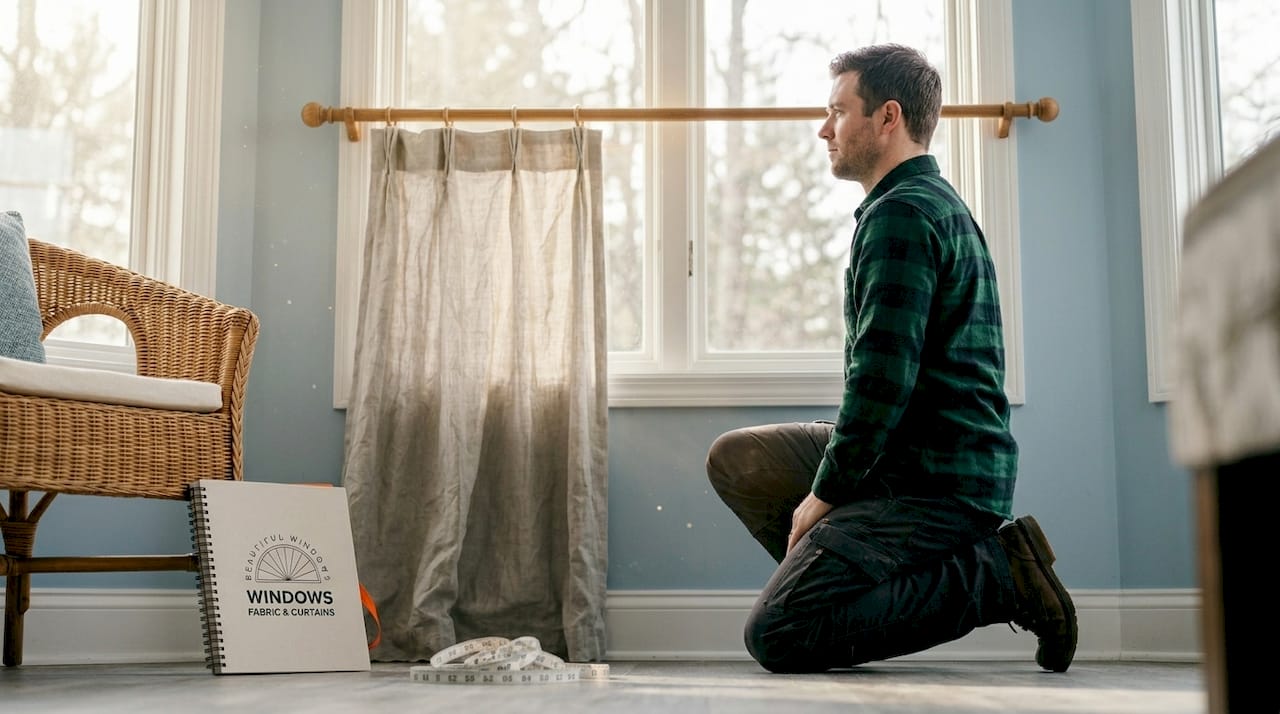
The same logic applies directly to home textiles. A set of low-cost drapery panels that fades, shrinks, or loses structural integrity within two years costs more per year than a premium woven panel that performs reliably for a decade. For businesses furnishing multiple rooms or managing large-scale interiors, that difference compounds significantly.
| Textile Type | Purchase Price | Estimated Lifespan | Annual Cost |
|---|---|---|---|
| Budget drapery fabric | $8 per yard | 2 years | $4.00 per yard/year |
| Mid-tier upholstery | $22 per yard | 5 years | $4.40 per yard/year |
| Premium jacquard weave | $45 per yard | 12 years | $3.75 per yard/year |
| Quality embroidered panel | $60 per yard | 15 years | $4.00 per yard/year |
The table above illustrates why the long-term benefits of textiles shift the math in favor of quality. The premium jacquard weave produces the lowest annual cost despite carrying the highest purchase price.
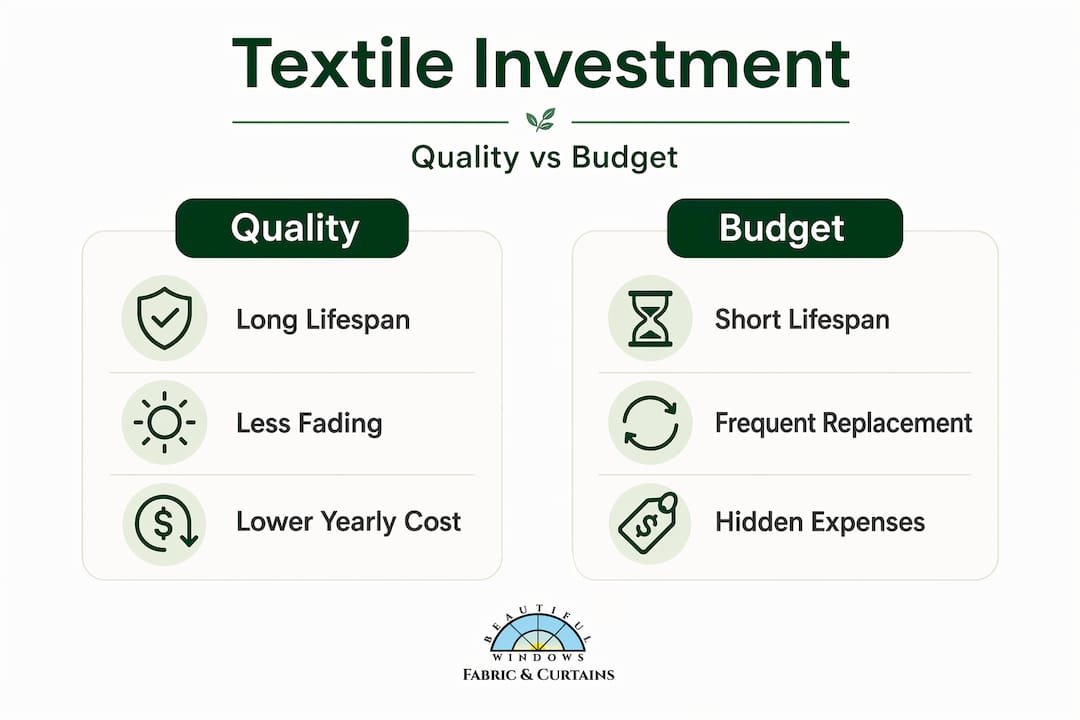
Overestimating wear cycles or ignoring maintenance costs leads to misleading value conclusions that favor cheap options incorrectly. Accurate CPW calculations require realistic usage assumptions and an honest accounting of repair, cleaning, and replacement frequency.
Resale value also factors into the financial picture. Well-maintained quality textiles retain market value in ways that fast-fashion or budget décor materials do not. For interior designers purchasing on behalf of clients, sourcing materials with documented durability and recognizable construction quality supports a stronger value proposition.
Pro Tip: When comparing textiles, divide the total cost including installation, cleaning, and likely repairs by the realistic number of years you expect the fabric to perform. That number tells you the true annual cost of ownership.
Practical advantages: comfort, style, and sustainability
Beyond financial returns, the importance of good textiles shows up daily in comfort and livability. Premium fibers breathe differently than their synthetic alternatives. Long-staple cotton and linen regulate moisture and airflow naturally, which affects how a room feels as much as how it looks. For upholstered seating and bedding, these properties translate into measurably better comfort over time.
Style longevity is another practical advantage that becomes clear within the first year of use. Quality textiles resist the three most common forms of aesthetic degradation: fading, pilling, and deformation. A drapery panel with a refined woven pattern maintains its visual structure because the fibers and construction were built to hold tension without distortion. Budget alternatives often show signs of breakdown within months of installation.
The sustainability dimension of quality textile investment is increasingly well-supported. Consider these specific points:
- Reduced replacement frequency means fewer textiles entering the waste stream. The average household discards textiles repeatedly when cheaper items wear out prematurely.
- Responsible fiber sourcing in quality textiles often includes certifications like GOTS for organic cotton, which documents reduced pesticide and water use in production.
- Eco-friendly production costs are falling. Organic cotton premiums have narrowed to 20 to 40% above conventional, and recycled polyester has reached near price parity with virgin material, making sustainable choices increasingly accessible.
- Commercial textile programs that specify quality materials generate less frequent procurement cycles, reducing packaging, shipping emissions, and disposal costs at scale.
Choosing quality fabrics for home décor is not simply an aesthetic preference. It is a decision with measurable environmental consequences over a multi-year timeframe.
How to evaluate and select quality textiles
Knowing what to look for is half the battle. The other half is applying that knowledge systematically before committing to a purchase. Here is a reliable process for assessing any textile for home or commercial use:
- Read the label fully. Fiber content percentages reveal construction priorities. A fabric labeled 85% polyester and 15% rayon is built for cost efficiency, not longevity. A 100% long-staple cotton or a structured polyester-linen blend signals a different set of priorities.
- Assess fabric weight. Hold the material and let it drape. Quality upholstery and drapery fabrics carry perceptible weight and body. A fabric that feels thin or flimsy under tension will behave the same way on a window or chair.
- Request technical specifications. For any large purchase, ask the supplier for colorfastness grades and shrinkage test results. Shrinkage test results quantify dimensional change after washing, giving you a data-backed basis for comparison rather than relying on marketing language.
- Match the textile to its environment. A fabric rated for residential use may not hold up in a commercial setting with significantly higher contact frequency. Understand the traffic and wear conditions your application demands, then select accordingly.
- Plan for maintenance from the start. Quality textiles reward proper care. Know the cleaning requirements before installation. A premium fabric cleaned incorrectly degrades faster than a budget material treated properly.
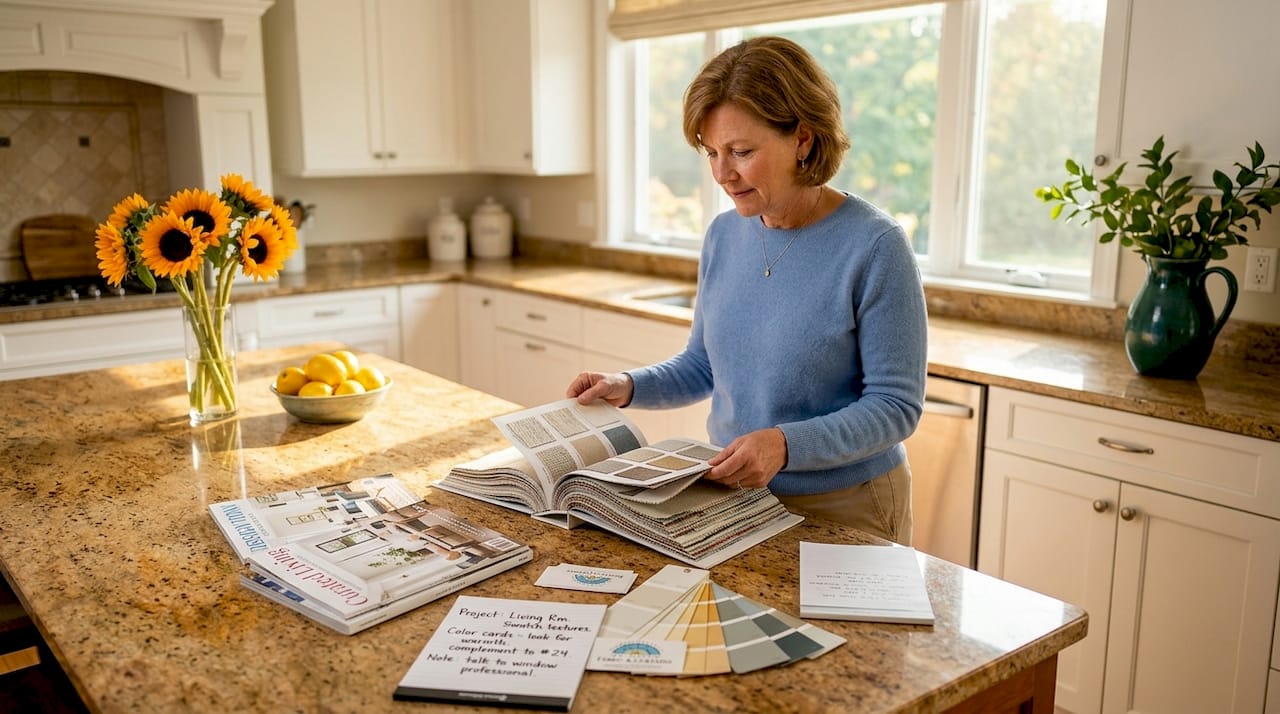
- Order samples before committing. For drapery and upholstery especially, seeing and feeling a fabric in the intended light environment prevents costly mismatches. Understanding fabric durability factors in the context of your specific space is far more reliable than relying on digital swatches alone.
Textile investment in hospitality: a real-world case study
The hospitality industry offers some of the clearest evidence for the quality textiles advantages argument, because hotels track replacement costs with financial precision. Hotel soft goods replacement cycles average 6 to 7 years, but high-wear items like lobby upholstery and guest room bedding are often refreshed every 3 to 5 years when lower-quality materials are specified.
| Textile Item | Budget Specification | Quality Specification | Replacement Cycle Difference |
|---|---|---|---|
| Guest room drapery | 4 years | 8 years | 4 additional years of service |
| Lobby upholstery | 3 years | 6 years | Double the replacement interval |
| Bedding and linens | 2 years | 5 years | 3 additional years of service |
Hotels that invest in quality textiles from the outset see meaningful reductions in capital expenditure over any given decade. That difference funds other improvements rather than recurring replacement purchases.
Hygiene performance also degrades over time in ways that vary significantly by fiber quality and construction. Lower-quality bedding shows documented decreases in moisture-wicking capacity and fiber integrity under standard use conditions, which drives replacement before the aesthetic life of the textile would otherwise require it.
The lessons for residential and office settings are directly transferable. When you select textiles with documented durability specs rather than price alone, you extend replacement cycles, reduce disruption, and maintain a consistent aesthetic standard.
My perspective on rethinking the cost of cheap textiles
I have spent years working with both individual consumers and business clients around textile selection, and the same pattern repeats. People resist spending more upfront, then end up spending more overall because they replace things too quickly.
The textiles people undervalue most are the ones doing daily work: drapery panels absorbing years of UV exposure, upholstery holding its shape through thousands of contact cycles, bedding that actually maintains its moisture performance past the first season. When those items fail prematurely, the frustration is real and the replacement cost is often more than the quality option would have cost initially.
What I have also learned is that luxury branding inflates prices beyond material quality at a certain point. Beyond specific price thresholds, you are paying for marketing and heritage rather than better fiber or construction. The most informed buyers focus on documented construction quality: fiber content, weave density, and finish type. They are not chasing a brand name. They are looking for what a designer textile actually delivers in measurable terms.
The shift in mindset required is not complicated. Stop comparing sticker prices and start comparing annual costs and performance timelines. When you do that, the argument for quality becomes self-evident.
— Marrion
Explore premium fabrics with Beautifulwindowselgin
Beautifulwindowselgin offers a carefully curated selection of designer drapery and upholstery fabrics, including jacquard satin, embroidered textiles, and structured woven materials sold by the yard. Each fabric in the collection reflects the construction attributes that matter most for lasting home décor: refined weave patterns, reliable colorfastness, and durable finish quality. Whether you are outfitting a single room or sourcing materials for a larger interior project, the team provides design consultation support and fabric samples to guide informed decisions. Browse the designer drapery collection to find premium textiles suited to your specific application, or explore the upholstery fabric options for durable, versatile materials built for home décor projects. Nationwide shipping is available, and the Beautifulwindowselgin team in Columbia, SC is ready to assist with selection, custom drapery services, and installation guidance.
FAQ
What makes a textile “high quality” from a construction standpoint?
Quality textiles are defined by long-staple fiber content, dense weave construction, and finishing processes that reinforce durability. These factors determine how well a fabric holds its shape, color, and structural integrity over years of use.
How do I calculate cost-per-wear for home textiles?
Divide the total purchase price of the textile by the realistic number of years or uses you expect from it. A $45-per-yard fabric lasting 12 years costs less annually than an $8-per-yard fabric replaced every two years.
Are sustainable textiles actually cost-competitive now?
Yes. Organic cotton premiums have narrowed significantly, and recycled polyester is near price parity with virgin material, making eco-friendly quality options increasingly accessible without a substantial price penalty.
How often should quality textiles in commercial settings be replaced?
Hotel soft goods average replacement cycles of 6 to 7 years when quality materials are specified, compared to 3 to 5 years for lower-quality alternatives. Proactive maintenance extends these intervals further.
Does a higher price always mean better textile quality?
Not automatically. Beyond certain price points, premium pricing reflects brand marketing and exclusivity rather than superior fiber or construction. Focus on documented specifications rather than price alone when evaluating quality textiles.
Recommended
- What is designer textile? A guide to luxurious home fabrics – Fabric Store in Columbia, SC | Drapery Making Services
- How the right textiles elevate home décor and comfort – Fabric Store in Columbia, SC | Drapery Making Services
- Understanding fabric durability for lasting home textiles – Fabric Store in Columbia, SC | Drapery Making Services
- How fabric shapes your home’s comfort and style – Fabric Store in Columbia, SC | Drapery Making Services