
Why use designer fabrics: quality, durability guide
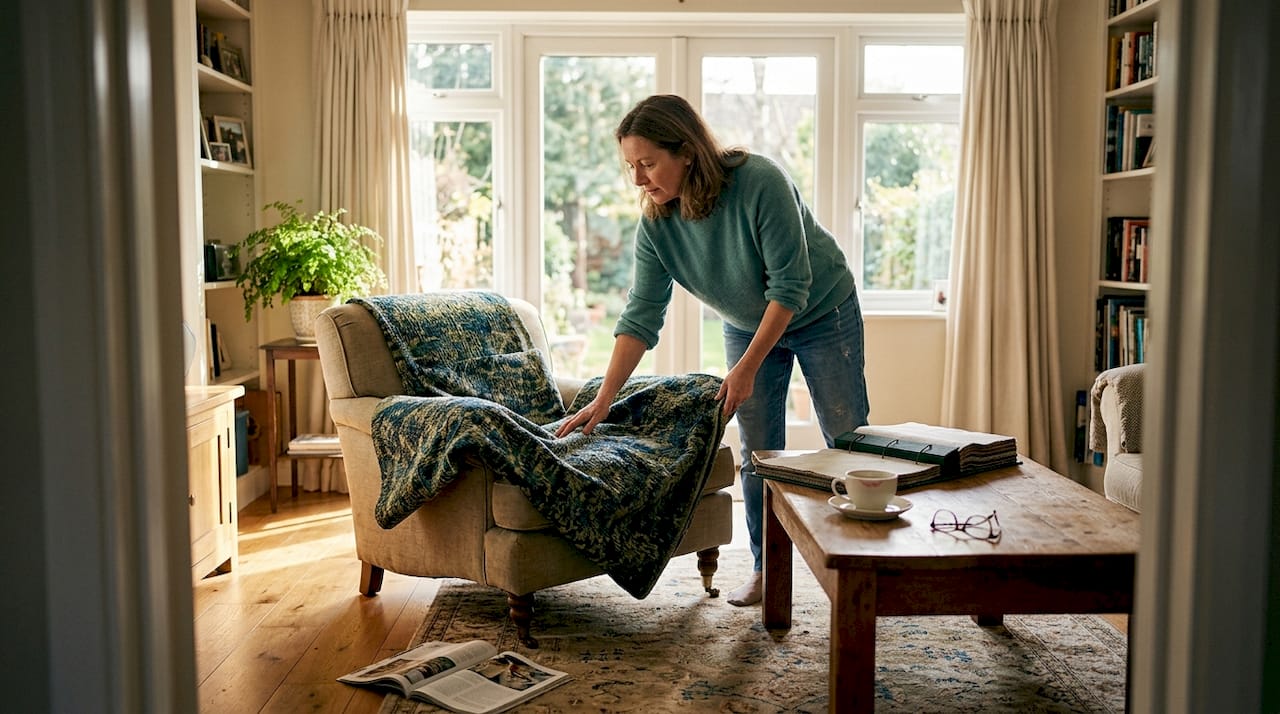
Many homeowners assume designer fabrics belong exclusively to professional interior designers and luxury showrooms. The truth is, these premium textiles are increasingly accessible to DIY enthusiasts who want to elevate their custom drapery and upholstery projects. Designer fabrics deliver unmatched quality, superior durability, and distinctive style that standard options simply cannot match. This guide reveals why choosing designer fabrics makes practical and aesthetic sense for your home, covering everything from sourcing trade-only brands to understanding performance features, sustainability benefits, and selecting the perfect material for your specific needs.
Table of Contents
- Key takeaways
- Understanding designer fabrics: quality and exclusivity
- Durability and performance benefits of designer fabrics
- Natural fibers and sustainability advantages of designer choices
- How to choose the right designer fabrics for your project
- Enhance your projects with designer fabrics from Beautiful Windows Elgin
- Why use designer fabrics: FAQ
Key Takeaways
| Point | Details |
|---|---|
| DIY access to trade brands | Homeowners can purchase designer fabrics online through select retailers without needing trade credentials. |
| Superior durability | Designer fabrics offer far higher abrasion resistance with Wyzenbeek double rub ratings that outpace standard textiles. |
| Exclusive patterns and quality | Limited runs and premium materials create unique looks you cannot find in mass market options. |
| Natural fibers and sustainability | Many designer fabrics feature premium natural fibers and sustainable manufacturing practices. |
Understanding designer fabrics: quality and exclusivity
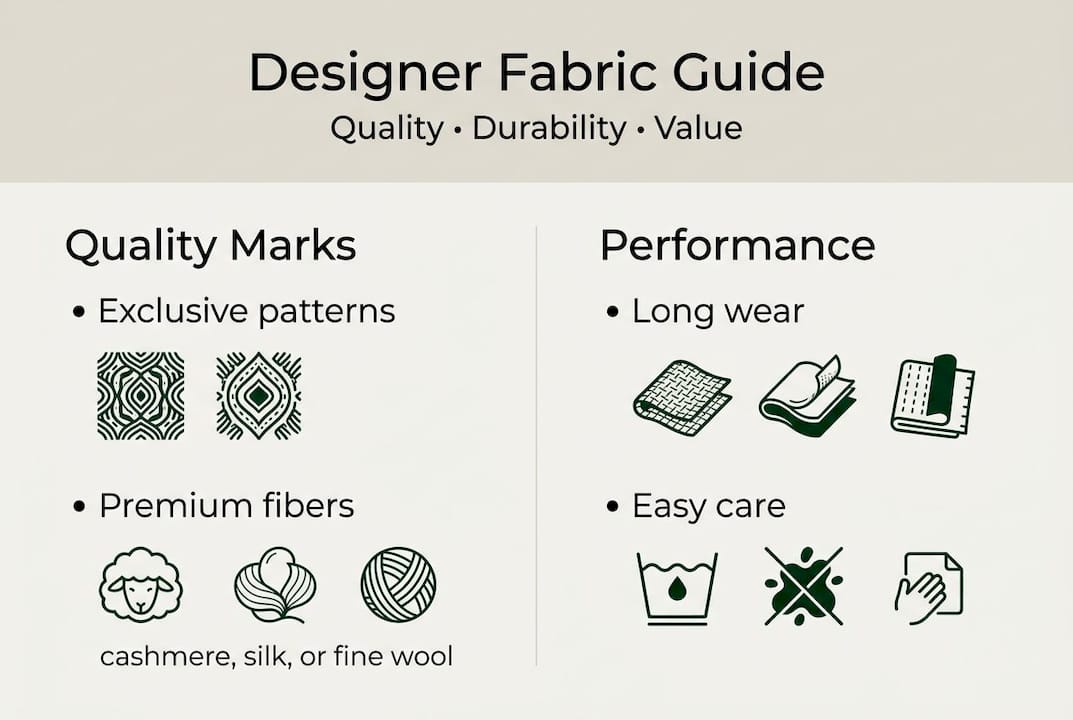
Designer fabrics represent premium textile lines created by renowned manufacturers like Lee Jofa, Schumacher, and Scalamandré. These to-the-trade brands offer superior quality through exclusive patterns, exceptional materials, and rigorous craftsmanship standards. Trade-only traditionally meant these fabrics sold exclusively to interior designers and professional decorators, creating a barrier for homeowners.
The landscape has shifted dramatically. Online retailers like Decorator’s Best and The Expert now provide DIY enthusiasts direct access to these coveted materials. You can browse thousands of designer fabrics by the yard without needing trade credentials. This democratization means your custom window treatments can feature the same luxurious textiles found in high-end designer projects.
Exclusivity remains a defining characteristic. Designer fabric houses produce limited runs with proprietary patterns you won’t find in mass-market stores. This ensures your drapery or upholstery stands out with genuine originality. The materials themselves often incorporate premium natural fibers, innovative weaving techniques, and meticulous quality control that budget fabrics skip.
Common designer fabric brands worth exploring include:
- Lee Jofa: Known for classic prints and sophisticated weaves with historical design references
- Schumacher: Offers bold patterns and modern interpretations of traditional motifs
- Scalamandré: Specializes in luxury damasks and historically accurate reproductions
- Kravet: Features extensive performance fabric collections with contemporary styling
- Robert Allen: Balances trend-forward designs with durable construction for residential use
Pro Tip: When buying designer fabrics online, verify authenticity by checking for manufacturer labels, requesting sample swatches before committing to yardage, and purchasing from authorized retailers. Examine close-up photos for weave quality and color accuracy. Reputable sellers provide detailed specifications including fiber content, pattern repeat measurements, and care instructions. This protects you from replicas or misrepresented goods that compromise your project quality.
The quality and durability advantages of designer fabrics justify their higher price point. You’re investing in textiles engineered to maintain appearance and structural integrity far longer than standard alternatives.
Durability and performance benefits of designer fabrics
Durability separates designer fabrics from ordinary options through measurable performance standards. The double rub test, specifically the Wyzenbeek method, quantifies abrasion resistance by rubbing fabric samples with wire mesh until visible wear appears. This metric directly predicts how well upholstery or drapery withstands daily friction from use.
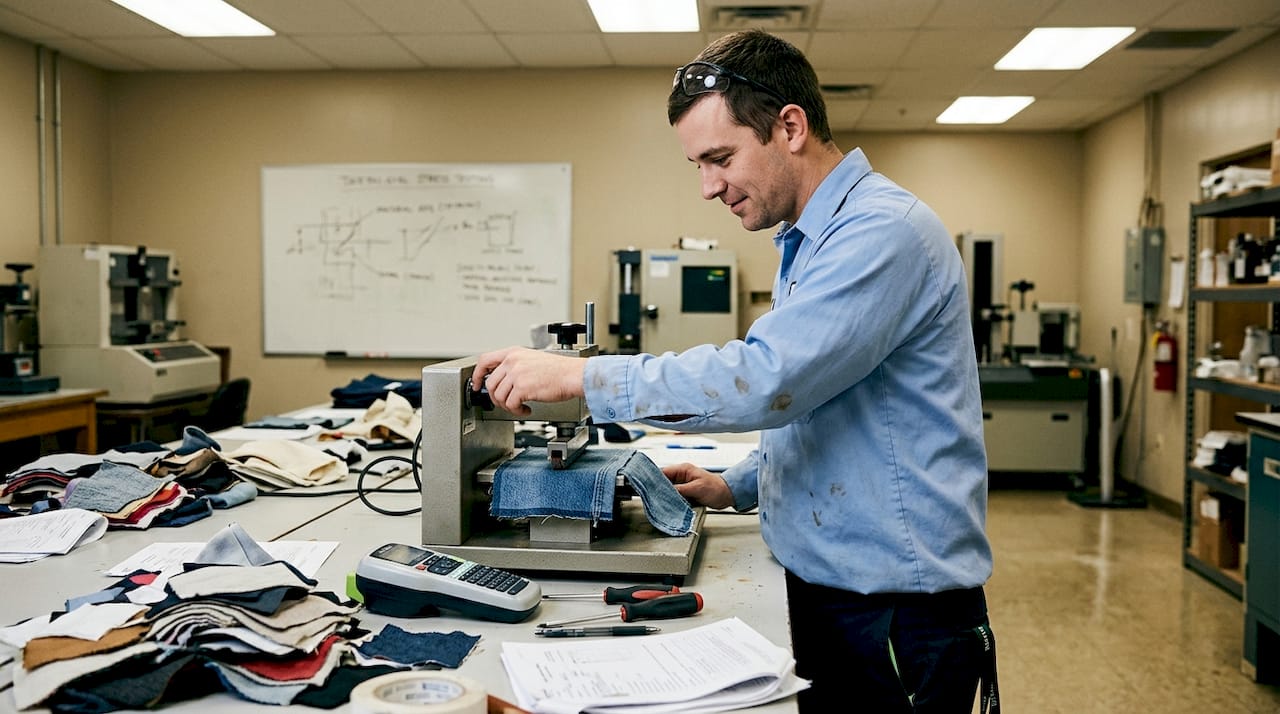
Designer and performance fabrics achieve 15,000-100,000+ double rubs compared to standard fabrics rating under 15,000 for light residential use. This dramatic difference means designer textiles last years longer in real-world conditions. Understanding these ratings helps you match fabric durability to your household’s specific demands.
| Fabric Category | Double Rub Count | Best Application |
|---|---|---|
| Standard residential | 3,000-15,000 | Light use guest rooms, decorative pillows |
| Designer residential | 15,000-30,000 | Moderate traffic living rooms, dining chairs |
| Performance designer | 30,000-100,000+ | Heavy use family rooms, pet households, commercial |
Performance features elevate designer fabrics beyond basic durability. Stain resistance and UV protection technologies like Crypton engineer protection at the fiber level rather than surface treatments that wash away. Liquids bead on contact, allowing quick cleanup before stains set. UV inhibitors prevent fading in sun-exposed windows, maintaining color vibrancy for years.
High double rub count fabrics deliver specific benefits for busy households:
- Withstand repeated contact from children climbing furniture without visible wear patterns
- Resist pet claws and fur embedding that damages weaker weaves
- Maintain structural integrity through frequent cleaning cycles required in active homes
- Prevent pilling and fuzzing that makes upholstery look shabby prematurely
- Support heavier curtain hardware without tearing at mounting points
These advantages make designer fabrics practical, not just beautiful. The fabric choices you make directly impact how long your custom treatments look fresh and function properly.
Pro Tip: Prioritize fabrics rated 30,000+ double rubs for heavy residential use like family room sofas or kitchen dining chairs. Extreme durability applications such as homes with large dogs or young children benefit from 50,000+ ratings. Match the performance level to your actual usage patterns rather than over-engineering for light-traffic spaces or under-specifying for demanding environments.
The role of fabric quality extends beyond initial appearance to long-term performance. Designer textiles with documented abrasion resistance provide measurable value through extended replacement cycles. Understanding double rub ratings empowers you to make data-driven fabric selections rather than relying solely on aesthetic appeal.
Natural fibers and sustainability advantages of designer choices
Environmental consciousness increasingly influences fabric selection as homeowners recognize the ecological impact of interior materials. Designer fabrics featuring natural fibers offer compelling sustainability advantages over synthetic alternatives while delivering aesthetic and functional benefits.
Natural fiber options like linen, wool, and organic cotton provide lower carbon footprints throughout their lifecycle. These renewable materials grow annually, absorbing atmospheric carbon during cultivation. Processing natural fibers requires less energy than manufacturing petroleum-based synthetics like polyester or nylon. The environmental benefits extend from field to finished fabric.
Breathability distinguishes natural fiber textiles in practical applications. Linen and cotton allow air circulation, reducing moisture buildup that leads to mildew in humid climates. This property improves indoor comfort while extending fabric lifespan by preventing degradation from trapped humidity. Wool naturally regulates temperature, providing insulation in winter while remaining cool in summer.
Biodegradability represents a critical end-of-life advantage. Natural fiber fabrics decompose without releasing microplastics or persistent pollutants. When your drapery or upholstery eventually needs replacement, organic materials return nutrients to soil rather than accumulating in landfills for centuries. This circular approach aligns with sustainable living principles.
Key sustainability benefits homeowners gain from natural fiber designer fabrics include:
- Renewable sourcing from annually harvested crops rather than finite petroleum resources
- Lower manufacturing emissions compared to energy-intensive synthetic fiber production
- Biodegradable disposal that avoids long-term environmental persistence
- Reduced microplastic shedding during washing and normal wear
- Support for organic farming practices when choosing certified natural fiber options
Natural fibers demonstrate significantly lower greenhouse gas emissions across production phases. Cotton cultivation and processing generates approximately 40% less CO2 equivalent compared to polyester manufacturing per kilogram of fiber. Linen production achieves even greater reductions through minimal chemical inputs and efficient water usage during flax cultivation.
Balancing sustainability with durability requires thoughtful selection. Pure natural fiber fabrics may show wear faster in extreme high-traffic applications compared to performance synthetics engineered for abrasion resistance. Many designer lines now offer blended options combining natural fiber benefits with enhanced durability through strategic synthetic reinforcement. These hybrids deliver environmental advantages while meeting demanding performance requirements.
The window treatment choices you make impact both interior aesthetics and environmental footprint. Selecting natural fiber designer fabrics aligns your home improvement projects with ecological responsibility without sacrificing quality or style.
How to choose the right designer fabrics for your project
Selecting appropriate designer fabrics requires analyzing your specific project parameters before committing to yardage. Successful fabric selection balances aesthetic preferences with functional requirements, ensuring your custom treatments perform as beautifully as they look.
Key considerations shape fabric decisions. Usage intensity determines necessary durability ratings, with high-traffic family rooms demanding different specifications than formal dining spaces. UV exposure affects color retention, making sun-facing windows require fade-resistant options. Maintenance preferences influence fiber choices, as some natural materials need professional cleaning while performance fabrics tolerate machine washing. Style compatibility ensures your fabric selection harmonizes with existing decor rather than clashing with established design themes.
Follow these steps to assess your project needs systematically:
- Evaluate room function and traffic patterns to determine required durability levels
- Measure sun exposure throughout the day to identify UV protection requirements
- Consider household factors like pets, children, or allergy sensitivities affecting fiber selection
- Define your maintenance commitment, whether professional cleaning or easy home care
- Establish budget parameters including initial fabric cost and long-term replacement cycles
- Review existing color palettes and design styles to ensure cohesive integration
Comparing fabric categories clarifies trade-offs between different designer options:
| Factor | Performance Designer Fabrics | Luxury Natural Fiber Fabrics |
|---|---|---|
| Durability | 50,000-100,000+ double rubs | 15,000-30,000 double rubs |
| Stain resistance | Engineered liquid repellency | Variable, often requires treatment |
| UV protection | Built-in fade inhibitors | Natural fibers fade without treatment |
| Sustainability | Synthetic but long-lasting | Renewable and biodegradable |
| Aesthetic | Contemporary, consistent | Rich texture, natural variation |
| Maintenance | Machine washable options | Often requires professional cleaning |
| Best application | High-traffic, sun exposure | Moderate use, controlled environments |
Pro Tip: For high-traffic areas with significant sun exposure, prioritize performance designer fabrics rated 50,000+ double rubs with UV inhibitors over pure luxury natural fibers. The extended lifespan and reduced maintenance offset higher initial costs. Reserve delicate natural fiber silks and linens for low-traffic spaces or treatments away from direct sunlight where their beauty shines without premature degradation.
Balancing aesthetics with function prevents disappointment. A stunning silk damask may seem perfect for living room drapery until sun exposure causes rapid fading. Similarly, choosing budget fabric for heavily used dining chairs leads to visible wear within months, requiring premature replacement. Understanding fabric selection principles helps you invest wisely in materials suited to your actual conditions.
Custom window treatments benefit from matching fabric properties to functional demands. Blackout requirements need tightly woven opaque materials, while sheer treatments prioritize light filtration through open weaves. Installation considerations also influence fabric weight selection, as heavy velvets require robust hardware compared to lightweight cottons.
Specialized applications demand specific fabric characteristics. Outdoor furniture benefits from waterproof canvas options engineered to resist moisture and mildew. Indoor upholstery in humid climates needs breathable natural fibers preventing mold growth. Matching technical specifications to environmental conditions ensures your designer fabric investment delivers lasting satisfaction.
Enhance your projects with designer fabrics from Beautiful Windows Elgin
Transforming your vision into reality starts with sourcing exceptional materials from trusted suppliers. Beautiful Windows Elgin provides homeowners and DIY enthusiasts direct access to premium designer fabrics typically reserved for trade professionals. The extensive collection features exclusive brands, diverse styles, and specialized performance options that elevate any custom drapery or upholstery project.
The curated selection includes everything from classic cotton prints to sophisticated jacquard satins and embroidered textiles. Specialized products like silver waterproof canvas fabric solve specific challenges, offering 60-inch width ideal for outdoor furniture cushions and weather-resistant applications. This versatility ensures you find the perfect material regardless of project scope or environmental demands.
Reasons to choose Beautiful Windows Elgin for your fabric needs:
- Exclusive designer brands delivering showroom quality directly to your door
- Extensive variety spanning traditional, contemporary, and performance fabric categories
- Expert guidance through detailed product specifications and responsive customer support
- Convenient online ordering with nationwide shipping from Columbia, SC
- Sample request options letting you evaluate quality before committing to full yardage
Whether you’re creating custom window treatments for your entire home or reupholstering a single statement piece, the right fabric makes all the difference. Explore the complete designer fabric collection to discover materials that combine beauty, durability, and performance for projects that exceed expectations.
Why use designer fabrics: FAQ
What makes designer fabrics different from regular fabrics?
Designer fabrics feature exclusive patterns, superior fiber quality, and rigorous manufacturing standards that mass-market options lack. They’re produced by renowned textile houses in limited quantities, ensuring unique aesthetics and exceptional craftsmanship. The materials often incorporate premium natural fibers or advanced performance technologies not found in standard retail fabrics.
Can homeowners buy designer fabrics with trade-only labels?
Yes, several online retailers now sell trade-only designer fabrics directly to consumers without requiring professional credentials. Companies like Decorator’s Best and Beautiful Windows Elgin provide access to brands like Lee Jofa and Schumacher that were previously exclusive to interior designers. This allows DIY homeowners to source the same premium materials used in professional projects.
How do I know if a designer fabric will hold up in a busy household?
Check the double rub count rating, which measures abrasion resistance. Fabrics rated 30,000+ double rubs suit heavy residential use with children and pets, while 50,000+ ratings provide extreme durability. Look for performance features like stain resistance and reinforced weaves specifically engineered for high-traffic applications. Manufacturer specifications clearly indicate intended use levels.
Are natural fiber designer fabrics better for the environment?
Natural fiber options like linen, wool, and organic cotton offer significant environmental advantages including renewable sourcing, lower carbon emissions during production, and biodegradability at end of life. They avoid microplastic pollution associated with synthetic fabrics. However, durability considerations may favor performance synthetics in extreme-use scenarios where frequent replacement would offset initial sustainability benefits.
What maintenance do designer fabrics need for longevity?
Maintenance requirements vary by fiber content and construction. Performance designer fabrics often tolerate machine washing or simple spot cleaning with mild soap. Natural fiber luxury fabrics may require professional cleaning to prevent damage or shrinkage. Regular vacuuming removes dust that degrades fibers over time. Following manufacturer care instructions prevents premature wear and maintains appearance through years of use.
Recommended
- What are designer fabrics: quality and durability guide – Fabric Store in Columbia, SC | Drapery Making Services
- Role of Fabric in Window Treatments– Impact on Style & Function – Shop Designer Fabrics by the Yard | Curtains & Drapery
- Source drapery fabrics for custom window treatments 2026 – Designer Fabrics by the Yard | Drapery Making Services
- Curtain fabric types: Choose perfect fabrics for style – Designer Fabrics by the Yard | Drapery Making Services
- Types of Awning Fabrics: Style, Durability, and Value