
Window treatment terminology explained: A guide for homeowners
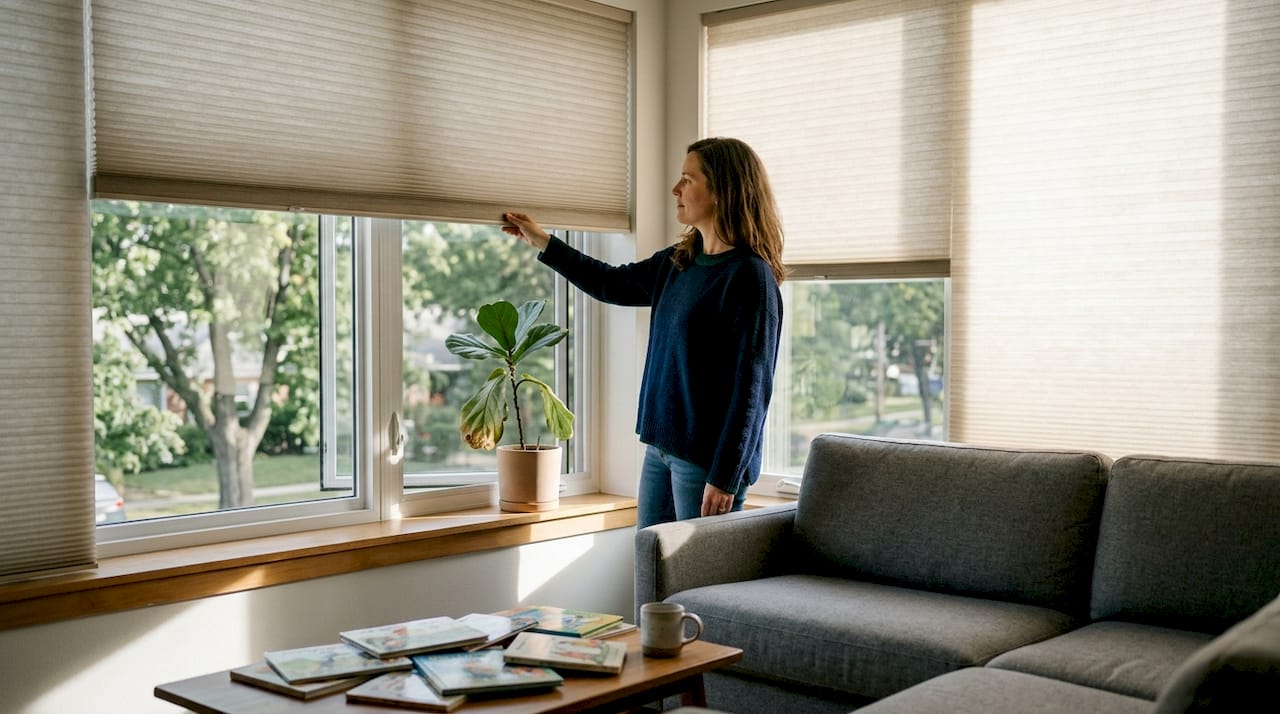
Choosing window treatments can feel overwhelming when you encounter unfamiliar terms like cellular shades, opacity levels, and openness factors. Understanding this terminology is essential for selecting fabrics and styles that match your home’s needs and aesthetic. This guide breaks down key window treatment terms with practical examples, helping you make confident decisions about custom fabrics, shade types, and control mechanisms that enhance your space.
Table of Contents
- Key takeaways
- Understanding the basics of window treatment terms
- Comparing window treatment styles and their practical benefits
- Navigating fabric terminology for custom window treatments
- Practical advice for selecting and installing window treatments
- Explore custom fabrics and window treatments with Beautiful Windows Elgin
- Frequently asked questions
Key Takeaways
| Point | Details |
|---|---|
| Shade type variety | Understanding common shade types such as roller, cellular, roman, and pleated helps you select fabrics and styles that fit your home. |
| Energy savings differences | Cellular shades offer the strongest energy savings by reducing heat gain up to 60 percent. |
| Cordless safety benefit | Cordless and motorized options remove dangling cords and reduce strangulation hazards for children and pets. |
| Openness concept | Openness factor indicates how much light and visibility a fabric allows, with lower values blocking more light and higher values providing more daylight. |
Understanding the basics of window treatment terms
Window treatment terminology covers three main categories: shade types, control mechanisms, and fabric characteristics. Grasping these basics helps you communicate effectively with suppliers and make informed choices.
The most common shade types include roller, cellular, roman, and pleated designs. Roller shades offer minimalism and precise control, cellular shades provide insulation benefits through their honeycomb structure. Roman shades fold into horizontal pleats when raised, creating an elegant appearance. Pleated shades feature crisp accordion folds that stack compactly at the window top.
Control mechanisms determine how you operate your shades. Clutch systems use a continuous loop cord for raising and lowering. Loop controls offer smooth operation with minimal effort. Cordless mechanisms eliminate dangling cords entirely, using a simple push or pull motion on the bottom rail. Motorized options provide remote or smart home control, ideal for hard to reach windows or enhanced convenience.
Fabric terminology includes several important concepts. Designer fabrics refer to high quality materials with distinctive patterns, textures, or weaves. Opacity levels describe how much light a fabric blocks, ranging from sheer to blackout. Waterproof fabrics resist moisture, making them suitable for bathrooms or outdoor applications. Understanding window treatment basics and energy savings helps you select options that reduce heating and cooling costs.
Energy efficiency varies significantly among shade types. Cellular shades reduce heat transfer up to 40% by trapping air in their honeycomb cells. This insulation works in both summer and winter, keeping your home comfortable year round. Roller shades with reflective backing also offer energy benefits, though typically less than cellular designs.
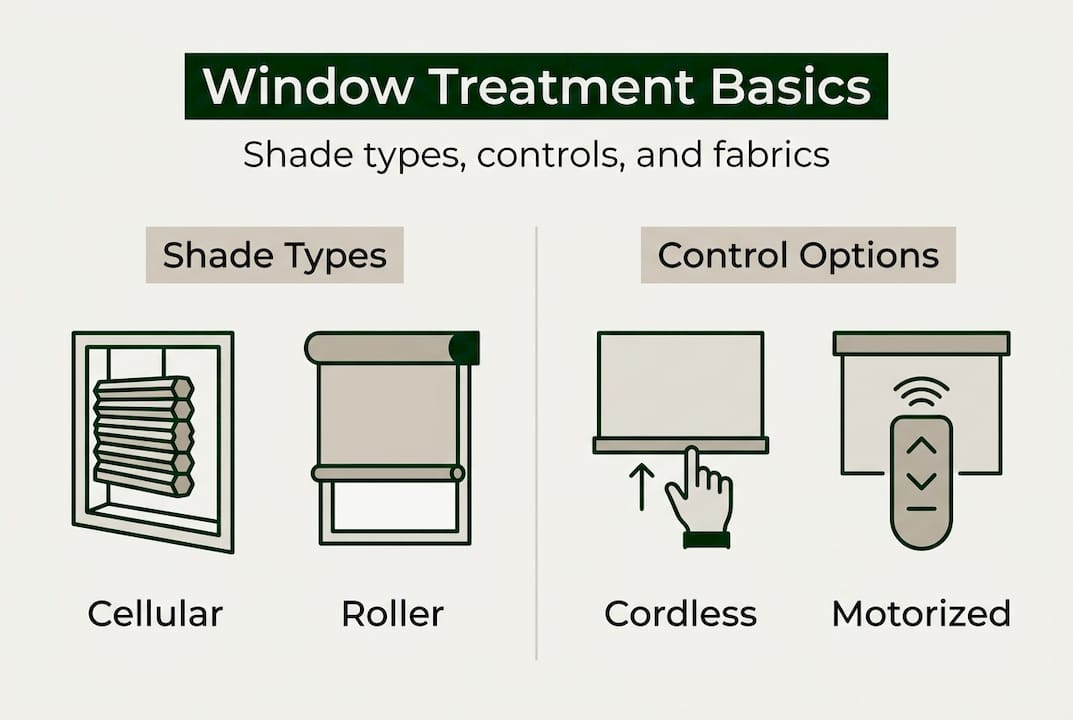
Safety considerations matter, especially for families with young children or pets. Cordless and motorized options eliminate strangulation hazards from dangling cords. These mechanisms also provide cleaner aesthetics and easier operation for everyone in your household.
Pro Tip: Always request fabric samples or swatches before purchasing window treatments. Viewing materials in your actual lighting conditions reveals true colors and textures that may appear different in online photos or showroom settings.
Comparing window treatment styles and their practical benefits
Each window treatment style offers distinct advantages for light control, insulation, appearance, and functionality. Understanding these differences helps you match treatments to specific rooms and purposes.
Cellular shades reduce solar heat gain by up to 60%, roller shades block UV with openness factor range 1 to 14%. The openness factor indicates the percentage of open space in the fabric weave. A 1% openness factor blocks nearly all light while maintaining some outward visibility. A 14% openness factor allows more natural light and clearer views but provides less privacy.
| Shade Type | Insulation (R-value) | Heat Transfer Reduction | Style Profile | Best Control Options |
|---|---|---|---|---|
| Cellular | 2.0 to 5.0 | Up to 60% | Clean, textured | Cordless, motorized |
| Roller | 0.5 to 2.0 | 20 to 40% | Sleek, modern | Clutch, motorized |
| Roman | 1.0 to 3.0 | 30 to 50% | Elegant, soft | Cord, cordless |
| Pleated | 1.0 to 2.5 | 25 to 45% | Crisp, tailored | Cord, cordless |
Cellular shades excel in rooms where temperature control matters most. Their honeycomb structure creates air pockets that insulate against heat loss in winter and heat gain in summer. They work particularly well in bedrooms, home offices, and sunrooms where comfort affects daily activities.

Roller shades suit spaces where you want clean lines and precise light control. Their simple design complements modern and minimalist decor. Choose lower openness factors for bedrooms and bathrooms where privacy matters. Select higher openness factors for living rooms and kitchens where natural light enhances the space.
Roman shades bring softness and sophistication to formal areas. Their fabric folds create visual interest when raised and provide full coverage when lowered. They pair beautifully with window treatment style trends and benefits emphasizing texture and warmth.
Pleated shades offer versatility for various window sizes and shapes. Their compact stack height maximizes glass exposure when raised. They fit well in transitional spaces like hallways, bathrooms, and small windows where you need functional coverage without visual bulk.
Consider these scenarios when selecting shade styles:
- Bedrooms benefit from cellular or blackout roller shades for darkness and insulation
- Living rooms shine with roman shades or light filtering roller shades for balanced natural light
- Bathrooms require moisture resistant fabrics in roller or pleated styles for privacy and durability
- Sunrooms need cellular shades with high insulation values to manage temperature extremes
- Home offices perform best with roller shades offering glare control and adjustable light levels
Pro Tip: Prioritize cordless or motorized shades in homes with children or pets. These options eliminate cord hazards while providing smoother operation and longer product life through reduced wear on mechanical components.
Navigating fabric terminology for custom window treatments
Fabric selection dramatically impacts both the appearance and performance of your window treatments. Understanding fabric terminology empowers you to choose materials that align with your functional needs and design vision.
Designer fabrics feature distinctive patterns, premium fibers, and superior construction. These materials often include cotton, linen, silk, or synthetic blends engineered for specific properties. Designer fabrics and waterproof canvas fabric options support diverse home needs, from elegant draperies to durable outdoor applications.
Opacity levels range across a spectrum. Sheer fabrics filter light softly while maintaining daytime privacy through diffusion. Semi sheer or light filtering fabrics reduce glare and provide moderate privacy. Room darkening fabrics block most light but may allow some glow around edges. Blackout fabrics eliminate virtually all light penetration, ideal for bedrooms or media rooms.
Weave types affect both appearance and function. Plain weaves create smooth, uniform surfaces. Twill weaves produce diagonal patterns with enhanced durability. Jacquard weaves incorporate intricate designs woven directly into the fabric structure. Each weave type influences how fabric drapes, filters light, and withstands daily use.
“Quality fabric selection determines not just the initial appearance of window treatments, but their longevity and performance over years of use. Investing in appropriate materials for each room’s conditions prevents premature fading, moisture damage, and mechanical failure.”
Waterproof and water resistant fabrics serve specific purposes. True waterproof fabrics feature coatings or laminates that completely block moisture penetration. Water resistant fabrics repel light moisture but may not withstand heavy or prolonged exposure. These distinctions matter for bathrooms, kitchens, and outdoor spaces.
Custom fabric advantages extend beyond aesthetics. Selecting specific materials lets you match existing decor precisely, accommodate unusual window dimensions, and optimize performance for your climate and usage patterns. Custom options also enable you to balance competing priorities like privacy, light transmission, and energy efficiency.
Consider these factors when evaluating fabrics:
- Texture affects visual interest and how fabric interacts with light
- Colorfastness determines resistance to fading from sun exposure
- Maintenance requirements vary from machine washable to dry clean only
- Environmental impact includes fiber sourcing, manufacturing processes, and recyclability
- Durability relates to fiber content, weave density, and finish treatments
Pro Tip: Request fabric swatches to evaluate in your actual space. Observe how colors appear in morning, afternoon, and evening light. Test texture by touch to ensure it matches your expectations. This hands on assessment prevents costly mistakes and ensures satisfaction with your final selection.
Practical advice for selecting and installing window treatments
Applying your terminology knowledge requires systematic planning and careful execution. Follow these steps to move from understanding to successful implementation.
- Measure each window accurately, recording width and height at three points to account for variations. Decide between inside mount (fitting within the window frame) and outside mount (covering the frame and surrounding wall). Add appropriate allowances for hardware and desired coverage.
- Evaluate room specific requirements based on function, existing decor, and performance needs. Match shade types and fabrics to each space using the terminology and comparisons covered earlier. Create a prioritized list balancing style preferences with practical considerations.
- Select control mechanisms appropriate for window height, accessibility, and safety requirements. Prioritize cordless or motorized controls for child safety and ease of use. Consider smart home integration if you want remote operation or automated schedules.
- Request samples of your top fabric choices to confirm appearance, texture, and light filtering properties in your actual environment. Compare options side by side at different times of day. Verify that colors coordinate with walls, furniture, and flooring.
- Determine whether professional installation or DIY makes sense for your situation. Professional installation ensures proper mounting, level alignment, and optimal function. DIY can work for straightforward inside mount applications if you have basic tools and follow instructions carefully.
- Confirm fabric compatibility with your home’s conditions. Moisture prone areas need water resistant or waterproof materials. South facing windows benefit from UV resistant fabrics. High traffic areas require durable, easy to clean options.
- Balance style, function, and budget in your final decisions. Invest more in rooms where you spend significant time or where performance matters most. Consider phasing purchases if budget constraints require prioritizing certain spaces.
Professional installation typically includes measuring verification, bracket mounting, shade hanging, and operation testing. Installers bring specialized tools and experience that prevent common mistakes like uneven mounting or improper tension adjustment. They also handle challenges like unusual window shapes, mounting on different wall materials, and integrating with existing trim.
DIY installation requires a level, drill, appropriate drill bits for your wall type, screws, measuring tape, and pencil. Follow manufacturer instructions precisely, paying special attention to bracket placement and spacing. Test operation thoroughly before finalizing installation. Keep all hardware and instructions for future reference.
Understanding choosing energy efficient window treatments helps you maximize comfort and minimize utility costs. Cellular shades offer the best insulation, but properly selected roller or roman shades also contribute to energy efficiency when paired with appropriate fabrics.
Explore custom fabrics and window treatments with Beautiful Windows Elgin
Now that you understand window treatment terminology, you can confidently explore options that match your needs. Beautiful Windows Elgin offers an extensive selection of designer fabrics by the yard for custom projects, from elegant draperies to tailored shades.
Discover durable options like silver waterproof canvas fabric for outdoor furniture and moisture prone areas. Browse fall window treatment trends 2025 for inspiration on incorporating warmth, texture, and tailored elegance into your spaces. The site provides secure shopping, nationwide shipping, and expert guidance to support your window treatment projects from concept to completion.
Frequently asked questions
What is the difference between roller and cellular shades?
Roller shades feature a sleek, minimalist design with fabric that rolls onto a tube mechanism, offering precise light control through various openness factors. Cellular shades provide superior insulation through honeycomb structures that trap air, reducing heat transfer by up to 40% compared to standard coverings. Choose roller shades for modern aesthetics and adjustable light, cellular shades for energy efficiency and temperature control.
What does opacity mean in window treatment fabrics?
Opacity describes how much light a fabric blocks, directly affecting both privacy and room brightness. Higher opacity fabrics block more light and offer greater privacy, ranging from sheer materials that softly filter light to blackout fabrics that eliminate virtually all light penetration. Select opacity levels based on room function, with bedrooms benefiting from blackout options and living spaces working well with light filtering materials.
How can I ensure the safety of window treatments for children?
Choose cordless or motorized window treatments to eliminate cord strangulation hazards that pose serious risks to young children. Professional installation ensures secure mounting that prevents shades from falling or becoming dislodged during use. These safety focused options also provide easier operation and cleaner aesthetics while protecting your family.
How do I choose between inside and outside mount installation?
Inside mount fits window treatments within the frame, creating a clean, built in appearance that works well for windows with attractive molding. Outside mount covers the frame and extends onto surrounding walls, maximizing light blockage and making windows appear larger. Select inside mount for architectural windows you want to showcase, outside mount for better light control or to conceal unattractive frames.
Can I use the same window treatment style throughout my home?
While using consistent styles creates visual flow, different rooms often benefit from varied treatments based on specific needs. Bedrooms may require blackout cellular shades for sleep quality, while living rooms work better with light filtering roller shades for natural illumination. Balance cohesion with function by maintaining consistent colors or fabrics across different shade types, creating unity without sacrificing performance.
Recommended
- What Is Window Treatment? Cut Energy Costs by 25% in 2026 – Shop Designer Fabrics by the Yard | Curtains & Drapery
- Top window treatment styles: 32% energy savings proven – Fabric Store in Columbia, SC | Drapery Making Services
- Role of Window Treatments – Impact on Home Comfort – Shop Designer Fabrics by the Yard | Curtains & Drapery
- Why Custom Window Treatments Matter for Homes – Shop Designer Fabrics by the Yard | Curtains & Drapery
- Industry Terminology: Flooring Trims Explained