
How to Choose Readymade Curtains for Your Home
TL;DR:Accurate window measurements, fabric choice, and rod placement are essential for successful ready-made curtains. Properly hung curtains enhance room height, fullness, and overall aesthetic while reducing frustration and unnecessary returns. Following these principles ensures a polished, functional window treatment that looks custom-made without the high cost.
Ready-made curtains seem like the simplest purchase you can make for your home. Then you hang them, step back, and wonder why they look nothing like the photo. Learning how to choose readymade curtains correctly means understanding three things before you ever add to cart: accurate measurements, the right fabric for your room’s function, and a style that works with what you already have. This guide covers all three in a way that saves you money, time, and the frustration of returns.
Table of Contents
- Key takeaways
- How to choose readymade curtains: start with measurements
- Choosing the right fabric
- Selecting curtain style and color
- Installation basics and rod placement
- Verifying fit and maintaining your curtains
- My honest take on choosing ready-made curtains
- Find the right fabric with Beautifulwindowselgin
- FAQ
Key takeaways
| Point | Details |
|---|---|
| Measure before you shop | Always measure window width and height first; curtain width should be 1.5 to 3 times the window width. |
| Fabric drives function | Match fabric weight and light-filtering properties to your room’s privacy and insulation needs. |
| Rod placement changes everything | Mounting rods higher and wider than the window frame makes rooms look taller and more spacious. |
| Style follows room type | Heading style, color, and pattern scale should align with the room’s function and existing decor. |
| Verify after hanging | Check fullness, length, and coverage after installation and adjust rod position or panel count as needed. |
How to choose readymade curtains: start with measurements
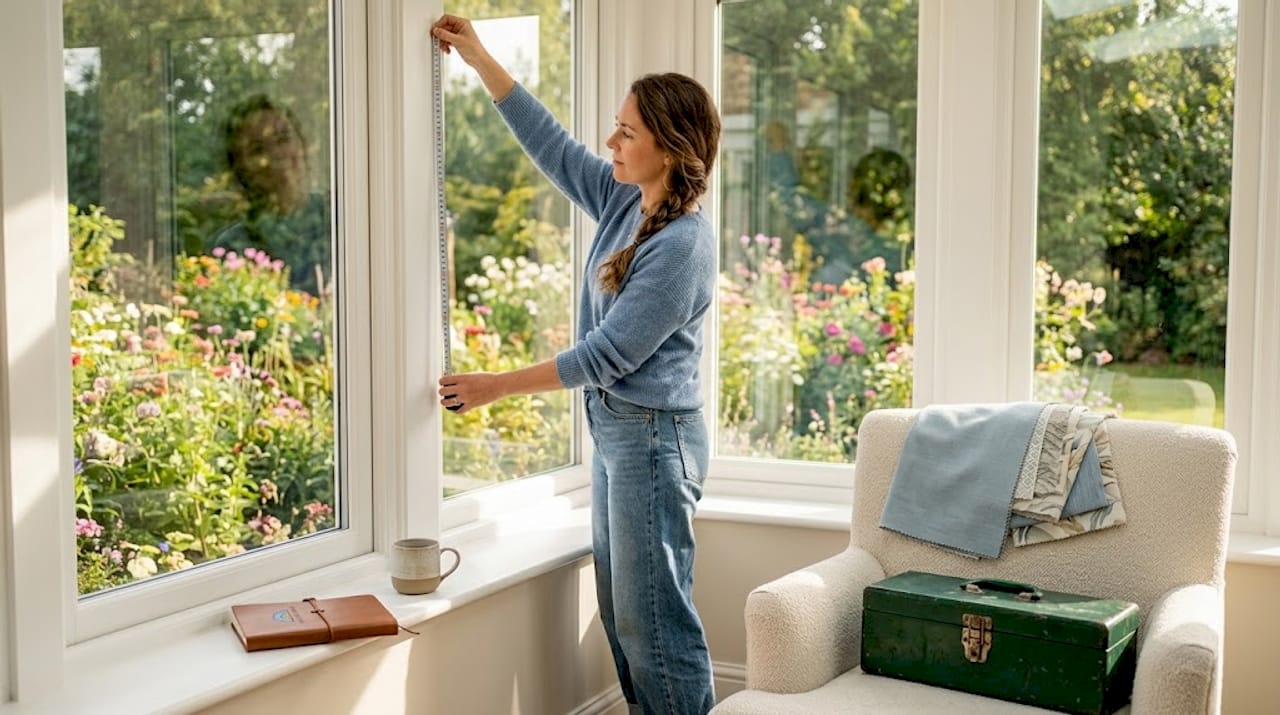
Most curtain mistakes begin at the tape measure, not the store. Before selecting ready-made curtains, you need two accurate numbers: the width of your window and the height from rod to floor.
Getting the width and height right
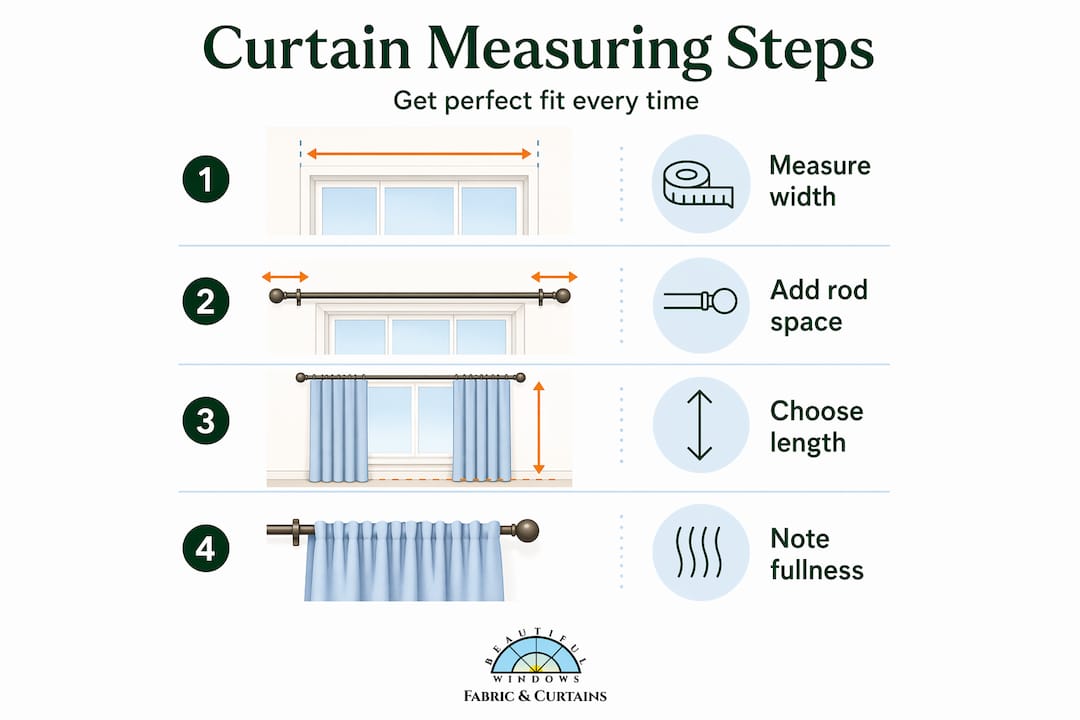
Measure the full width of your window frame, then plan for your rod to extend beyond it. Curtain panels need total width equal to 1.5 to 3 times the window width to hang with proper fullness. A window that measures 40 inches wide needs 60 to 120 inches of total panel fabric. For height, measure from where the rod will sit down to the floor, then choose your preferred length style.
Curtain length options explained
| Length Style | Drop Point | Best Used In |
|---|---|---|
| Sill length | Ends at or just below the window sill | Kitchens, bathrooms |
| Below-sill | 4 to 6 inches below sill | Casual living spaces |
| Floor grazing | Just touches the floor | Most rooms, clean look |
| Puddle | 3 to 6 inches on the floor | Formal rooms, bedrooms |
Curtains that stop above the floor almost always look unfinished. Floor grazing or a slight puddle reads as intentional and polished. Sill-length works in kitchens and bathrooms where fabric near counters or moisture is impractical.
Common measurement mistakes
- Measuring the glass only, not the full window frame plus desired rod extension.
- Forgetting to account for the curtain heading, which can add 1 to 3 inches to the drop.
- Ordering panels based on finished rod width, not multiplied fabric fullness.
- Assuming all windows in a room are the same size without measuring each individually.
Pro Tip: Measure each window separately, even in the same room. Wall placement, trim thickness, and window height can vary slightly between windows, and even a one-inch difference affects how your panels hang.
Choosing the right fabric
Fabric choice is where most homeowners treat curtains as a purely decorative decision. It is also a functional one. The wrong fabric in the wrong room creates problems you will notice every single day.
Fabric types and their best uses
- Sheer fabrics (voile, chiffon, lightweight linen): Allow diffused natural light, minimal privacy. Best for living rooms, sunrooms, and layered looks over blackout panels.
- Cotton and linen blends: Light and breathable fabrics filter soft light and suit living rooms well. They wrinkle more than synthetic fabrics.
- Polyester and poly-blends: Durable, wrinkle-resistant, and often machine-washable materials that reduce upkeep. An excellent practical choice for high-traffic spaces.
- Velvet: Heavy, insulating, and dramatic. Suited to bedrooms and formal sitting rooms where weight and warmth are priorities.
- Blackout fabric: Blocks light almost entirely and adds thermal insulation. The go-to choice for bedrooms, nurseries, and media rooms.
- Waterproof or treated fabrics: Designed for bathrooms, kitchens, or covered outdoor spaces where moisture resistance matters.
Lined versus unlined curtains
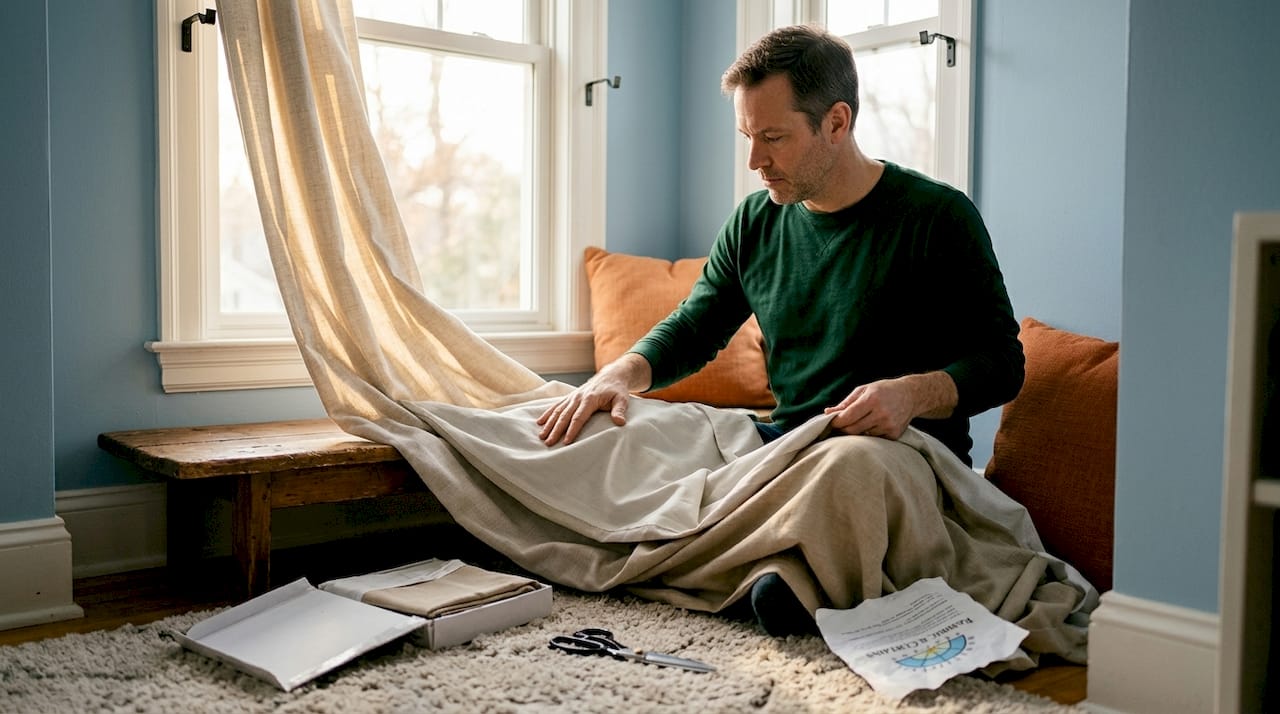
Lined curtains add weight and structure that unlined panels simply cannot replicate. The lining also protects the face fabric from sun fading, extends the curtain’s life, and improves its ability to insulate. If you want ready-made curtains to look custom-made and expensive, choose lined panels. Unlined curtains work well for sheer layering or rooms where a lighter, more relaxed aesthetic is the goal.
Pro Tip: If your room gets strong afternoon sun, choose a fabric with built-in lining or add a separate liner panel behind your decorative curtain. This protects both the fabric and your furniture from UV damage without sacrificing style.
Selecting curtain style and color
Getting the sizing and fabric right sets the foundation. Style and color are where your curtains either pull the room together or compete with everything else in it. A solid curtain style selection process considers three things: the heading type, the color palette, and how patterns scale with the room.
Heading styles and their visual effect
- Grommet top: Modern, casual, and easy to slide open and closed. Works well in contemporary and transitional interiors.
- Pinch pleat: Structured and tailored. Reads as formal and traditional, with a clean column of fabric folds.
- Rod pocket: Simple and budget-friendly. Less practical for frequent opening since the fabric is threaded directly onto the rod.
- Tab top: Relaxed and casual. Hangs with visible fabric tabs and suits informal spaces like sunrooms or guest rooms.
Color and pattern decisions
Neutral curtain colors create timeless looks that do not compete with changing decor. Soft whites, warm beiges, and greige tones work across styles and room palettes. Bold colors add visual weight and function as accent pieces. Use them when you want the window treatment itself to be a design statement.
Pattern scale matters more than most people expect. Large patterns suit larger rooms and big windows. Small, tight patterns can feel busy in large spaces and visually shrink smaller ones. When in doubt, solid fabrics or subtle textures are safer choices that hold up over time.
Layering sheer panels with heavier curtains gives you flexibility throughout the day. Sheers filter light during the day while maintaining openness. Draw the heavier panels at night for full privacy and insulation. This approach also adds visual depth and a finished, layered look that single-panel setups cannot achieve. You can explore common curtain styles to match options with your room’s aesthetic before committing.
Installation basics and rod placement
Even perfectly chosen curtains will look off if the rod is mounted in the wrong position. This is the step most homeowners underestimate, and it is also the most correctable.
How to mount your rod for best results
- Mark your rod position 4 to 8 inches above the window frame, or higher if you want to maximize room height perception. Mounting close to the ceiling is a proven designer technique for making rooms feel taller.
- Extend the rod 8 to 12 inches beyond each side of the window frame. This maximizes natural light when curtains are open because panels stack off the glass entirely.
- Check whether nearby walls or furniture restrict how far the curtain can stack when open. A window 10 inches from a wall may need a different rod bracket style or fewer panels to avoid bunching.
- For renters, opt for tension rods in lighter-weight curtain applications, or use removable adhesive hooks rated for the panel weight. Always verify weight limits before installation.
- Level your rod brackets before drilling. Uneven brackets are the most common reason curtains look crooked even when the panels themselves are perfectly hemmed.
Pro Tip: Hanging rods higher and wider than the window frame is one of the most cost-free ways to make a room feel larger. It costs nothing extra but changes how the entire wall reads visually.
Curtain rod placement and stack-back space directly affect how much natural light you get when the curtains are open. If your panels overlap the glass when drawn back, you lose light and the window feels smaller than it is.
Verifying fit and maintaining your curtains
Once the curtains are hung, the work is not quite finished. A quick assessment after installation catches problems before they become permanent.
- Check fullness: Stand across the room and look at whether the panels look full or flat. Flat panels need either more panels or tighter gathering.
- Check the length: The hem should just graze the floor or puddle slightly. If it stops short, reposition the rod or order a longer size.
- Check coverage: When closed, panels should overlap the window frame by at least 2 to 3 inches on each side to prevent light gaps.
- Adjust if needed: Moving the rod up or down an inch often resolves small length issues without buying new curtains.
For maintenance, follow care labels by fabric type. Polyester and poly-blends typically tolerate machine washing on a gentle cycle. Cotton-linen blends may shrink slightly in warm water, so cold water washing is recommended. Velvet and embroidered fabrics usually require dry cleaning or very gentle hand washing. To manage wrinkles, hang curtains while slightly damp or use a handheld steamer. Avoid dragging panels or bunching them when open repeatedly, as this stresses the fabric at the heading and shortens the curtain’s usable life.
My honest take on choosing ready-made curtains
I have seen hundreds of window treatments installed, and the mistakes I encounter most often have nothing to do with taste. They come from skipping measurements or trusting room dimensions from memory.
Every window needs its own tape measure moment. I have walked into rooms where the homeowner ordered the same panel for every window based on one measurement, and at least one window was different enough to throw off the entire look. Spending five extra minutes measuring individually saves you a return shipment and weeks of living with curtains that never sit right.
The other thing I have come to believe firmly: rod placement matters more than the curtain itself. I have seen inexpensive ready-made panels look genuinely high-end simply because the rod was mounted near the ceiling and extended wide on both sides. And I have seen expensive, beautifully constructed panels look average because the rod sat directly above the frame like an afterthought.
The misconception I hear most often is that ready-made curtains are a compromise. They are not, if you choose well. The key is treating the selection process with the same discipline you would bring to a custom order: accurate measurements, deliberate fabric choice, and a rod placement decision made before you shop, not after. That combination produces results that consistently surprise people when they see what is possible without a custom price tag.
— Marrion
Find the right fabric with Beautifulwindowselgin
Selecting ready-made curtains becomes noticeably easier when you start with quality fabric and expert guidance. Beautifulwindowselgin offers a curated collection of designer drapery fabrics online, including jacquard satin, embroidered textiles, and premium upholstery-weight materials sold by the yard. Whether you are a homeowner sourcing fabric for a DIY project or a renter looking for professional input, the team at Beautifulwindowselgin brings deep expertise to every window. Professional measurement services and custom drapery appointments are available in Columbia, SC, with nationwide shipping on fabric orders. Reach out to start building a window treatment that fits your space precisely.
FAQ
What width should ready-made curtains be for a standard window?
Curtain panels should total 1.5 to 3 times the window width for proper fullness. For a 48-inch window, look for panels with a combined width between 72 and 144 inches.
How high should I hang a curtain rod above the window?
Mount the rod 4 to 8 inches above the window frame for a standard look, or closer to the ceiling to create the illusion of a taller room. Higher mounting consistently produces a more polished result.
What is the best curtain fabric for a bedroom?
Velvet and blackout fabrics are the best choices for bedrooms because they block light effectively and provide thermal insulation, supporting better sleep and comfort.
Can I layer sheer curtains with ready-made blackout panels?
Yes. Layering sheer panels with heavier blackout curtains gives you daytime light filtering and full nighttime privacy, and the combination looks more finished than single-layer treatments.
How do I know if my ready-made curtains are the right length?
After hanging, the hem should just graze the floor or puddle slightly. Curtains stopping above the floor typically read as unfinished. If the length is slightly off, adjust rod height before purchasing a different size.
Recommended
- Today we will discuss “How to choose window curtains.” – Shop Designer Fabrics by the Yard | Curtains & Drapery
- Today we will discuss “How to choose window curtains.” – Shop Designer Fabrics by the Yard | Curtains & Drapery
- Today we will discuss “How to choose window curtains.” – Shop Designer Fabrics by the Yard | Curtains & Drapery
- What Is Ready-Made Curtains and Why They Matter – Shop Designer Fabrics by the Yard | Curtains & Drapery