
Trending curtain fabrics for stylish windows in 2026
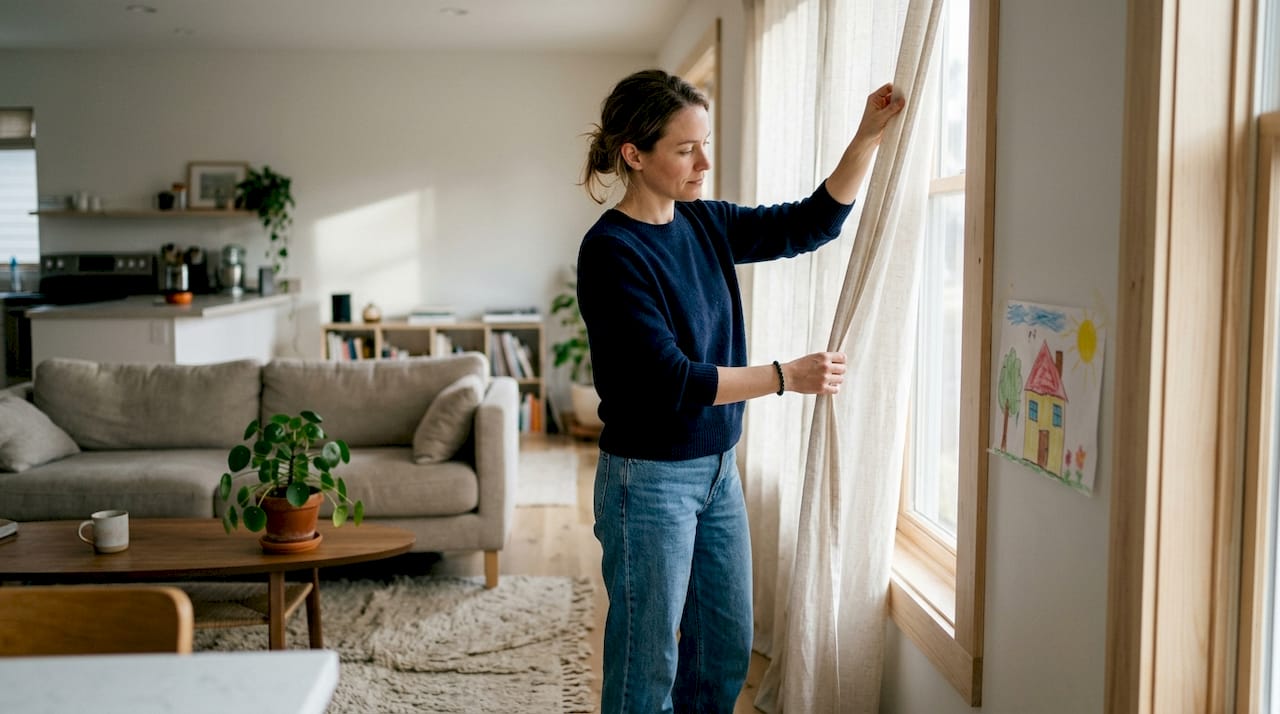
Curtain fabrics rarely get the credit they deserve for transforming a room. Most homeowners choose based on color alone, overlooking how texture, weight, and fiber content shape the entire atmosphere of a space. That approach is shifting fast. Organic linen leads 2026 trends, driven by a growing demand for biophilic design, breathability, and sustainable production. Alongside linen, matte velvet, engineered blends, and tactile weaves like boucle are redefining what curtain fabrics can do. This guide covers the top trending materials, their practical benefits, and specific design advice to help you make confident, stylish choices for every room.
Table of Contents
- Organic linen: Sustainable luxury and biophilic design
- Matte velvet: Texture, insulation, and acoustic benefits
- Engineered blends: Durability for kitchens and high-traffic zones
- Layered window treatments: Sheers, heavyweights, and multi-track systems
- Boucle, slubby textures, and natural weaves: Adding tactile luxury
- The overlooked truth about curtain fabric trends
- Explore the latest curtain fabrics and expert support
- Frequently asked questions
Key Takeaways
| Point | Details |
|---|---|
| Eco-first choices | Organic linen and sustainable blends are leading curtain fabric trends for health and environmental benefits. |
| Performance and comfort | Matte velvet and engineered blends deliver superior blackout, insulation, and durability for busy spaces. |
| Layered solutions | Multi-track layered treatments combine privacy, light control, and visual interest in one design. |
| Texture over shine | Boucle, slubby linen, and natural weaves add tactile richness, replacing outdated shiny synthetics. |
| Smart buying tips | Touch and compare samples to ensure you select fabrics that offer lasting comfort and style. |
Organic linen: Sustainable luxury and biophilic design
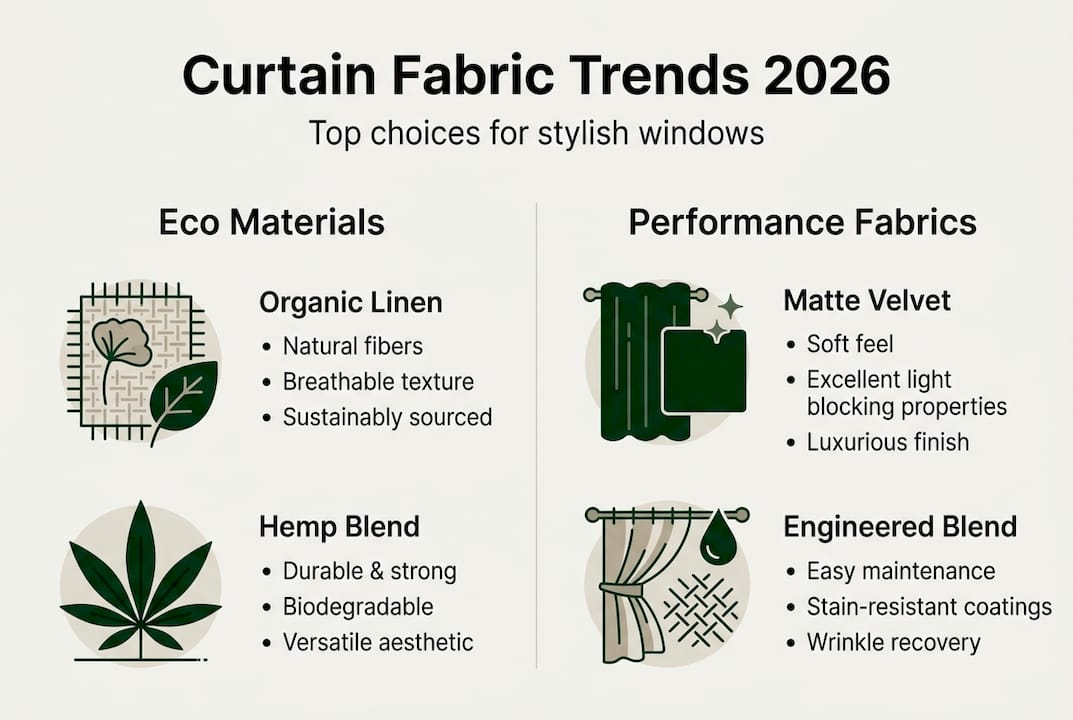
Organic linen has earned its place at the top of window treatment trends for 2026. It is not simply a stylish choice. Linen is grown without synthetic pesticides, requires significantly less water than cotton, and biodegrades naturally at end of life. For homeowners and designers focused on sustainable interiors, few fabrics offer this combination of environmental responsibility and refined visual appeal.
Biophilic design, which means incorporating natural elements into interior spaces to support wellbeing, is a major force behind linen’s popularity. Its organic texture, subtle color variation, and soft drape create a visual connection to nature that synthetic fabrics simply cannot replicate. Linen also breathes exceptionally well, making it ideal for sun-filled rooms where temperature regulation matters.
When used as a sheer layer, linen diffuses light beautifully without blocking it entirely. Paired with a heavier outer panel, it delivers privacy and insulation while maintaining an airy feel. Understanding the full range of curtain fabric types helps you see where linen fits within a layered treatment system.
| Feature | Organic linen | Cotton | Synthetic || |—|—|—|—| | Sustainability | High | Moderate | Low | | Breathability | Excellent | Good | Poor | | Drape quality | Soft, natural | Moderate | Stiff or limp | | Longevity | High | Moderate | Variable |
Key benefits of organic linen for window treatments:
- Natural texture adds warmth and visual depth
- Softens with each wash without losing structure
- Available in a wide range of natural and dyed tones
- Compatible with both casual and formal interiors
Pro Tip: Layer linen sheers behind a heavier panel in sun-drenched rooms. You gain privacy during the day, control glare, and preserve your view without sacrificing natural light.
With linen making waves, let’s break down other standout materials that elevate both style and performance.
Matte velvet: Texture, insulation, and acoustic benefits
Heavyweight matte velvet is trending for bedrooms and formal living spaces in 2026. Unlike the shiny, high-sheen velvet of past decades, today’s matte finish reads as sophisticated and modern. The pile surface absorbs light rather than reflecting it, creating a rich, grounded aesthetic that suits both contemporary and traditional rooms.
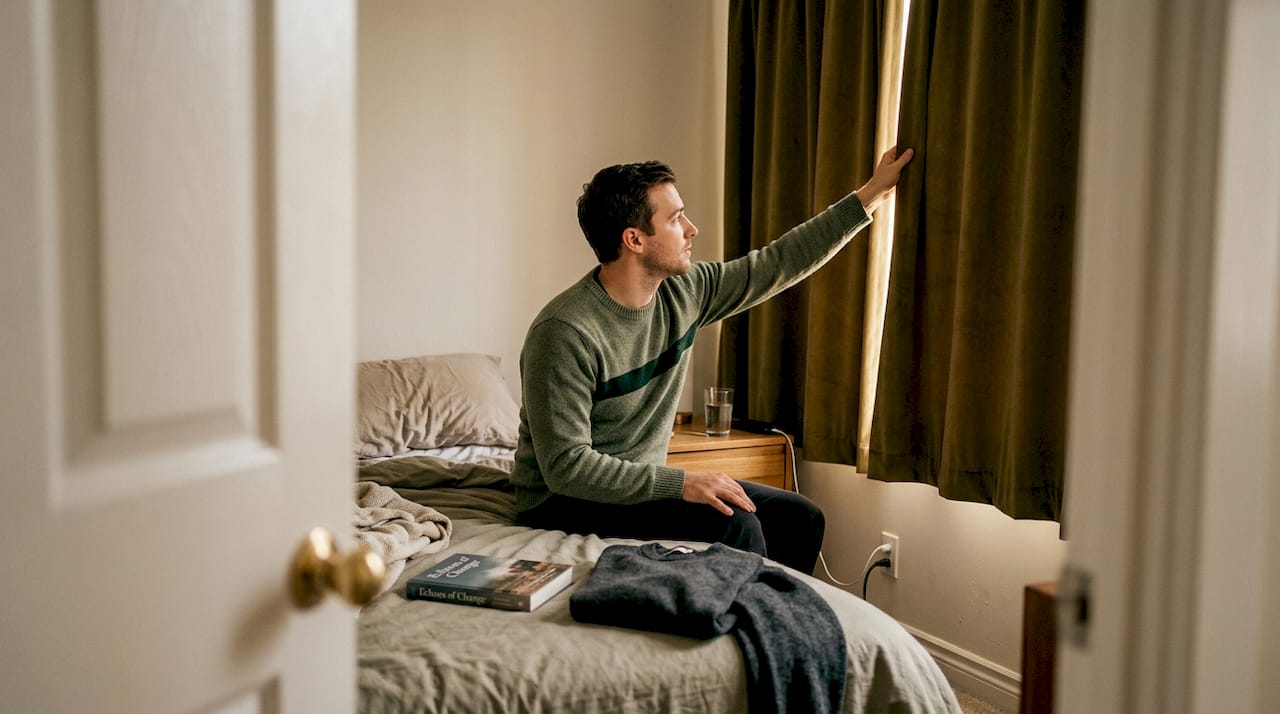
The performance credentials of matte velvet go well beyond appearance. Its dense fiber structure provides meaningful thermal insulation, reducing heat loss through windows during colder months. The same density also dampens ambient noise, making velvet curtains a practical choice for home offices, media rooms, and street-facing bedrooms.
| Velvet weight (GSM) | Thermal rating | Acoustic dampening |
|---|---|---|
| 300 GSM | Moderate | Light |
| 450 GSM | Good | Moderate |
| 600+ GSM | Excellent | High |
Benefits of matte velvet for window treatments:
- Full blackout capability at higher weights
- Reduces echo and ambient noise in living spaces
- Monochrome colorways suit minimalist and maximalist rooms alike
- Adds warmth and texture to neutral interiors
“Velvet curtains do more than block light. At the right weight, they create a sense of enclosure and calm that transforms how a room feels, not just how it looks.” — Interior textile specialist
For care, choose a matte finish velvet with a tight backing to prevent pile crushing. Brush gently with a soft upholstery brush and avoid folding for long periods. Velvet’s sensory comfort sets the stage for performance fabrics engineered for heavy-use areas.
Engineered blends: Durability for kitchens and high-traffic zones
Not every room calls for delicate natural fibers. Kitchens, mudrooms, and family rooms need curtain fabrics that hold up to daily wear, humidity, and frequent washing. Engineered blends including hemp, recycled polyester, and linen-poly are the practical answer, combining sustainability with genuine performance.
These fabrics are designed to resist staining, withstand UV exposure, and maintain their structure through repeated laundering. Recycled polyester blends, some sourced from ocean plastics, offer impressive tensile strength without the stiff, plasticky feel of older synthetics. Hemp blends bring natural antimicrobial properties alongside durability, making them well suited to moisture-prone areas.
Pro Tip: When shopping for performance curtain fabrics, look for blends that specify recycled ocean plastic content. These materials tend to have tighter weave structures, which translates directly to longer lifespan and better UV resistance.
Features of quality engineered blends:
- Stain resistance without chemical treatments
- UV protection that slows color fading
- Machine washable in most cases
- Dimensional stability, meaning they hold their shape and length
- Available in textures that mimic natural fibers
For a detailed look at durable curtain fabric options, it helps to compare fiber content and weave density before purchasing. The key distinction from dated synthetics is texture. Modern blends are matte, softly textured, and visually warm. Shiny, stiff polyester reads as outdated and cheap, regardless of its durability claims. Blend fabrics support layered looks, now central to 2026 window treatment designs.
Layered window treatments: Sheers, heavyweights, and multi-track systems
Layered window treatments are standard practice in 2026, and for good reason. A single curtain panel rarely addresses all the needs of a room simultaneously. Layering a sheer inner panel with a heavier outer panel allows you to manage light, privacy, insulation, and acoustics independently, adjusting each layer as conditions change throughout the day.
Sheer linen or boucle panels diffuse incoming light, softening harsh afternoon sun while maintaining an open, airy feel. The outer layer, typically velvet or a dense engineered blend, provides full privacy and thermal coverage when drawn. Multi-track hardware systems make this arrangement practical and visually clean, with each layer operating on its own track.
| Treatment type | Privacy | Acoustic control | Insulation | Light diffusion |
|---|---|---|---|---|
| Single sheer | Low | Minimal | Low | High |
| Single blackout | High | Moderate | Moderate | None |
| Layered system | High | High | High | Adjustable |
How sheers and heavyweights work together:
- Sheers scatter UV rays, protecting furniture and flooring from fading
- Heavy outer panels create a near-complete blackout when closed
- The air gap between layers adds an insulating buffer
- Privacy and light control become fully adjustable rather than fixed
Layered treatments also work across design styles. A linen sheer paired with a charcoal velvet outer panel suits a formal dining room. The same linen sheer with a warm-toned linen-poly blend reads as relaxed and casual in a bedroom. The system is flexible. Tactile and textured fabrics complete the look and feel, ensuring every window makes a statement.
Boucle, slubby textures, and natural weaves: Adding tactile luxury
Texture is the defining quality of 2026 curtain design. Boucle, slubby linen, and 3D natural weaves are replacing the flat, featureless surfaces of conventional synthetic curtains. These materials add visual depth and a tactile richness that photographs struggle to capture fully.
Boucle, a looped yarn fabric originally associated with upholstery, has crossed into drapery in a significant way. Its irregular surface catches light differently at various angles, creating a subtle visual movement that flat fabrics cannot achieve. Slubby linen, which features natural thick-and-thin variations in the yarn, carries a similar quality. Both fabrics pair well with smooth, solid-color furniture, providing contrast without visual competition.
“The new luxury in window treatments is not about shine or pattern. It is about surfaces you want to reach out and touch.” — Textile design consultant
Benefits of tactile curtain fabrics:
- Add warmth and visual interest without busy patterns
- Complement minimalist and Japandi-inspired interiors
- Age gracefully, developing character over time
- Work as tactile window fabrics in both formal and relaxed settings
Shiny polyester, stiff synthetics, and busy prints are out in 2026. The direction is clearly toward natural, matte, and organically textured surfaces. For designers, this means pairing boucle or slubby linen with clean architectural lines and restrained color palettes. For homeowners, it means choosing fabrics that feel as good as they look. Having explored the full spectrum of trending fabrics, let’s examine what the industry often overlooks and what designers should truly prioritize.
The overlooked truth about curtain fabric trends
Most people approach curtain fabric selection by browsing trend lists and choosing whatever looks current in photos. The problem is that photos cannot tell you how a fabric feels, how it moves in a breeze, or how it ages after two years of daily use. Natural, matte, textured organics consistently outperform trend-chasing synthetics precisely because they are designed around sensory experience, not just visual appeal.
The fabrics that genuinely stand the test of time share three qualities: they are tactilely satisfying, they perform a functional role in the room, and they harmonize with natural light rather than fighting it. Chasing annual trend lists often leads homeowners toward choices they regret within a season.
Pro Tip: Always request fabric samples before committing to custom window treatments. Hold the sample up to your window, feel the weight, and observe how it drapes. A fabric that looks perfect on a screen may feel thin or stiff in person.
Investing in how to choose curtain fabrics with longevity in mind means selecting classic textured organics that will remain relevant and beautiful well beyond a single design cycle. That is the real value of understanding trends rather than simply following them.
Explore the latest curtain fabrics and expert support
Beautiful Windows Elgin carries a carefully selected range of trending fabrics, including organic linen, matte velvet, and high-performance engineered blends, suited to both custom and ready-made window treatments. Whether you are designing a layered treatment for a formal space or sourcing durable fabric for a busy household, the collection is built to support informed, quality-driven choices.
From waterproof canvas fabric for outdoor and utility applications to refined interior drapery textiles, the full fabric selection covers a wide range of performance and aesthetic needs. In-house design consultants are available to help you identify the right fiber, weight, and finish for your specific project. Request samples, book a consultation, and find the fabric that works as well as it looks.
Frequently asked questions
Which curtain fabric is most sustainable for 2026?
Organic linen leads sustainability in 2026, followed closely by hemp and recycled polyester blends, all of which minimize environmental impact without sacrificing quality or appearance.
What fabric is best for blackout and noise reduction?
Heavyweight matte velvet at 450 GSM or higher delivers the strongest combination of blackout performance and acoustic dampening, making it the top choice for bedrooms and media rooms.
Are layered curtains necessary for modern homes?
Layered window treatments are now considered standard in 2026 design, offering adjustable control over light, privacy, insulation, and sound that a single panel simply cannot provide.
Which curtain fabrics should I avoid this year?
Shiny polyester and stiff synthetics are considered outdated in 2026. Busy prints and clinical gray tones have also given way to natural, matte, and organically textured materials.
How do tactile textures improve curtain design?
Boucle and slubby weaves add visual depth and warmth that flat fabrics cannot replicate, creating a layered, high-quality look that elevates the entire room without relying on pattern or color alone.
Recommended
- Fall Window Treatment Trends 2025: Warmth, Texture Tailored Elegance – Shop Designer Fabrics by the Yard | Curtains & Drapery
- Fall Window Treatment Trends 2025: Warmth, Texture Tailored Elegance – Shop Designer Fabrics by the Yard | Curtains & Drapery
- Fall Window Treatment Trends 2025: Warmth, Texture Tailored Elegance – Shop Designer Fabrics by the Yard | Curtains & Drapery
- Fall Window Treatment Trends 2025: Warmth, Texture Tailored Elegance – Shop Designer Fabrics by the Yard | Curtains & Drapery
- Protect your timber windows from water damage in 2026